
What Is the Miss Mary Mack Song?
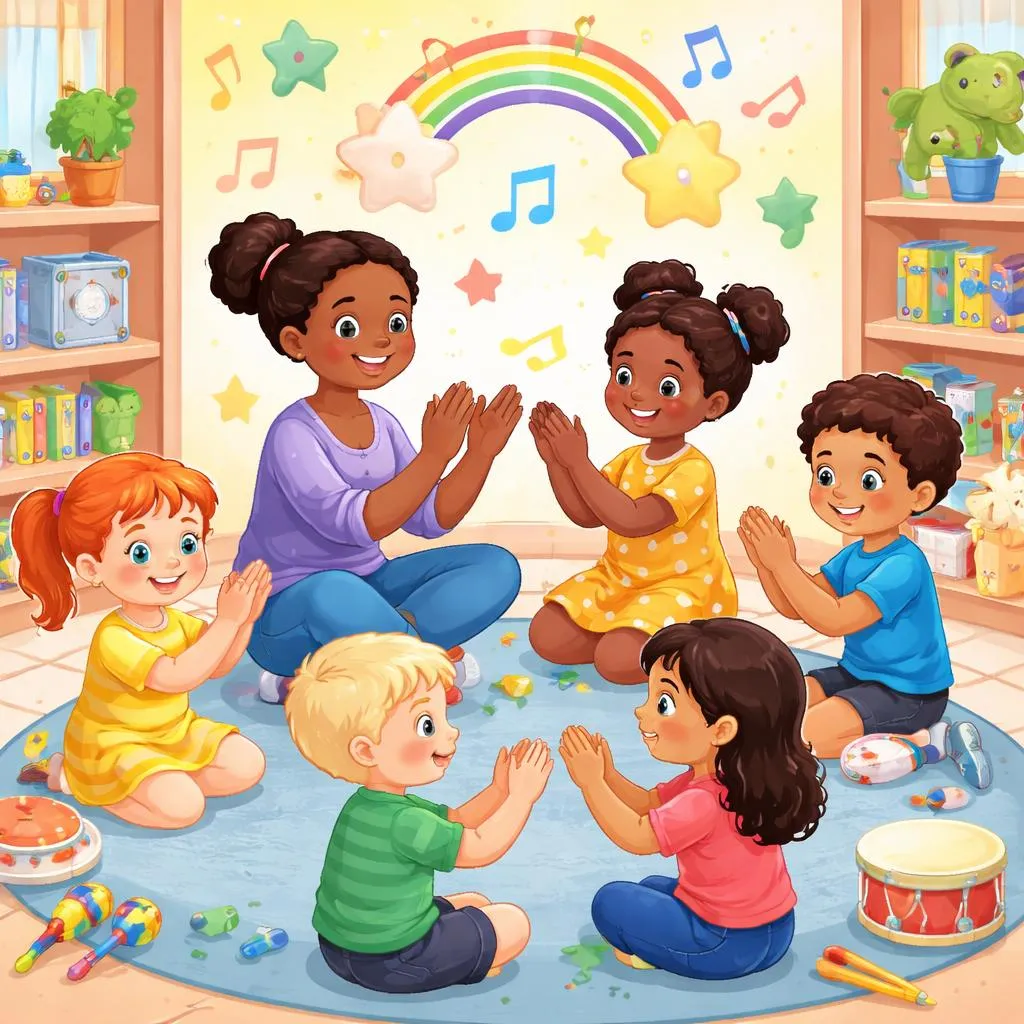
The miss mary mack song is a traditional children’s rhyme shared across generations. It combines rhythm, movement, and simple language. The song often appears with a clapping game. Hands move in time with the words. This connection between sound and movement makes learning feel natural and joyful.
In the classroom, this song supports listening skills, memory, and coordination. Music invites participation. Rhythm guides attention. Language comes alive through repetition.
The Story Behind the Miss Mary Mack Song
This song tells a playful story. Miss Mary Mack wears black and silver buttons. She asks her mother for money. The story feels simple and light. Children enjoy the rhythm more than the plot. That balance works well for early learning.
Traditional songs like this one pass from child to child. Each generation adds energy and fun. The familiar structure builds comfort and confidence.
The Lyrics of the Miss Mary Mack Song
The miss mary mack song lyrics follow a steady pattern. Each line flows smoothly into the next. Repetition helps memory. Predictable rhythm supports pronunciation.
Miss Mary Mack, Mack, Mack All dressed in black, black, black With silver buttons, buttons, buttons All down her back, back, back
She asked her mother, mother, mother For fifty cents, cents, cents To see the elephants, elephants, elephants Jump the fence, fence, fence
They jumped so high, high, high They reached the sky, sky, sky And did not come back, back, back Till the Fourth of July, ly, ly
These lyrics offer clear sounds and patterns. Repeating words strengthens listening skills. Echoing sounds support early phonics awareness.
Vocabulary Learning Through the Song
The song introduces simple vocabulary. Words like dress, buttons, mother, money, and animals appear naturally. These words connect to real-life experiences.
Clothing words help describe appearance. Family words support social language. Number words like fifty introduce counting ideas.
Hearing these words in a song helps retention. Singing lowers pressure and increases confidence.
Phonics Points in the Miss Mary Mack Song
Phonics patterns appear clearly. Repeated ending sounds like “ack” and “ent” stand out. Rhyming words support sound awareness.
Black and back share similar sounds. Cents and fence offer clear endings. High and sky show vowel patterns.
Clapping along highlights syllables. Each clap matches a beat. This supports sound segmentation.
Rhythm and Movement Connections
The miss mary mack song often pairs with a clapping game. Hands move in patterns. Rhythm stays steady. Coordination improves with practice.
Movement supports focus. Physical activity keeps energy positive. Rhythm guides timing and memory.
Simple clapping patterns work well at first. Gradual increase in speed adds challenge.
Grammar Patterns in the Song
The song uses simple sentence structures. Past tense verbs appear naturally. Asked and jumped show action in the past.
Prepositions like down and till show position and time. These structures support basic grammar awareness.
Hearing grammar in context builds understanding without direct explanation.
Social Learning Through Group Singing
Group singing builds connection. Everyone follows the same rhythm. Shared experience creates community.
Turn-taking appears in clapping games. Eye contact supports social awareness. Cooperation develops naturally.
Songs like this one work well in small groups or whole-class activities.
Learning Activities With the Miss Mary Mack Song
Classroom activities can grow from the song. Drawing scenes from the lyrics supports comprehension. Acting out parts adds creativity.
Listening activities focus on identifying rhyming words. Speaking activities encourage repeating lines clearly.
These activities keep language active and engaging.
Using the Song for Listening Practice
Listening skills improve through repetition. The steady rhythm helps maintain attention. Predictable patterns reduce confusion.
As listening improves, confidence grows. Clear listening supports later reading skills.
Using the Song for Speaking Practice
Speaking comes naturally with singing. Pronunciation improves through repetition. Stress and intonation become clear.
Soft voices work first. Louder singing builds confidence later.
Clear modeling supports accurate speech.
Cultural Value of Traditional Songs
Traditional songs connect past and present. Sharing these songs builds cultural awareness. Familiar rhythms feel comforting.
Children enjoy knowing that others have sung the same song for many years.
This sense of continuity supports emotional connection to learning.
Daily Life Examples Connected to the Song
The song connects to daily experiences. Clothing appears every day. Family interactions feel familiar. Money and animals spark curiosity.
Connecting lyrics to real life deepens understanding. Talking about buttons on clothes or animals at the zoo makes learning meaningful.
Printable Materials for the Miss Mary Mack Song
Printable lyric sheets support reading practice. Simple illustrations add visual support. Coloring pages extend engagement.
Matching activities connect words with pictures. These materials support independent practice.
Short sessions keep focus strong.
Educational Games Based on the Song
Games add excitement. Clapping games challenge memory and coordination. Rhythm games support timing.
Word games focus on rhymes. Matching rhyming words builds phonics skills.
Games keep learning light and enjoyable.
Adapting the Song for Different Ages
Younger learners enjoy slower tempos. Older learners enjoy faster rhythms and variations.
Adding new verses encourages creativity. Changing actions keeps interest high.
Flexibility allows the song to grow with learners.
Supporting Different Learning Styles
Auditory learners enjoy singing. Kinesthetic learners enjoy clapping. Visual learners enjoy illustrations.
This song supports many styles at once. Inclusive activities ensure everyone participates.
Building Confidence Through Music
Music lowers anxiety. Singing feels less stressful than speaking alone. Group participation reduces fear.
Confidence grows with success. Repeated practice builds mastery.
Positive reinforcement encourages effort.
Language Development Beyond the Song
The miss mary mack song opens doors to further learning. Rhyming leads to poetry. Rhythm supports reading fluency.
Songs act as stepping stones to more complex language tasks.
Classroom Management With Songs
Songs help manage transitions. Singing signals clean-up time or movement breaks. Familiar songs guide behavior gently.
Music creates structure without pressure.
Encouraging Creativity With the Song
Creativity grows through variation. New actions, new verses, or new rhythms invite imagination.
Creative expression strengthens engagement and ownership.
Observing Progress Through Participation
Progress appears in confident singing. Clear pronunciation shows growth. Steady rhythm shows coordination.
Observation guides next activities. Gentle feedback supports improvement.
Connecting Music and Emotion
Music connects to emotion. Happy rhythms lift mood. Shared laughter builds trust.
Positive emotions support learning. Joy strengthens memory.
Home and School Connections
Singing at home reinforces learning. Familiar songs create comfort. Families enjoy shared activities.
Consistent exposure strengthens retention.
The Role of Repetition in Song Learning
Repetition builds mastery. Each repetition adds confidence. Familiarity reduces effort.
Short, frequent practice works best.
Supporting Language Through Play
Play and learning connect naturally. Songs blend both elements. Enjoyment supports focus.
Playful learning leads to lasting understanding.
Encouraging Participation Without Pressure
Participation grows when pressure stays low. Listening comes before singing. Gentle invitations work best.
Every voice matters. Silence also shows learning.
Extending Learning With Art and Drama
Art activities deepen comprehension. Drawing scenes reinforces vocabulary. Acting out verses supports expression.
Multi-sensory learning strengthens memory.
Using the Song in Different Settings
The song works indoors and outdoors. Small groups or large groups both benefit.
Flexibility makes it useful in many contexts.
Long-Term Benefits of Nursery Rhymes
Nursery rhymes support language foundations. Rhythm supports reading. Rhyme supports spelling.
Traditional songs remain powerful tools in education.
The miss mary mack song brings rhythm, language, and joy together in one simple experience. Through singing, clapping, and shared movement, language grows naturally. Words gain meaning, sounds become familiar, and confidence builds step by step. Music creates connection, supports learning, and fills the classroom with energy that makes every lesson feel welcoming and alive.