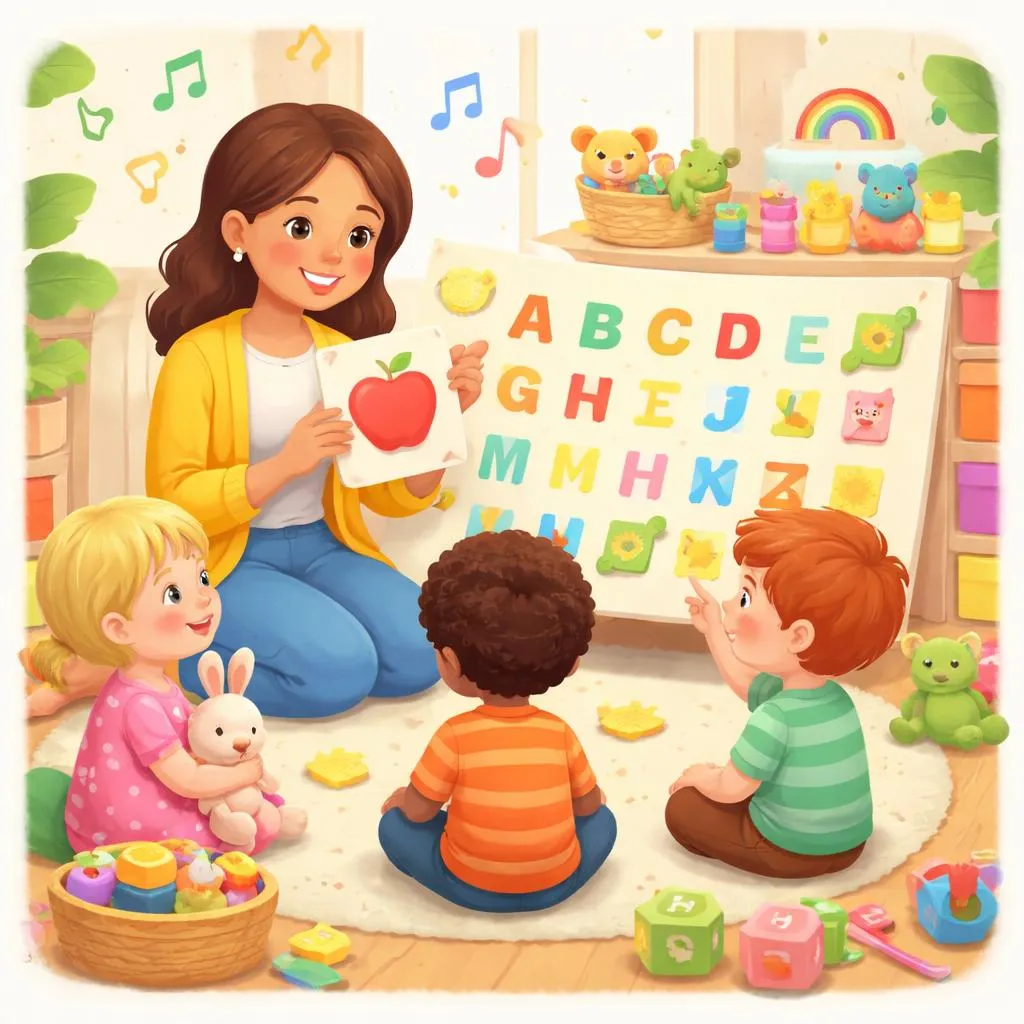

Alphabets in English Language as the First Step in Learning
Every language begins with symbols. In English, those symbols are letters. The alphabets in English language form the base of reading, writing, and speaking. Understanding these letters opens the door to words, stories, and ideas.
From a teacher’s point of view, learning alphabets is not about speed. It is about comfort, sound awareness, and joyful discovery. Each letter has a shape, a name, and a sound. These three elements work together to build strong language skills.
What Are Alphabets in English Language?
The alphabets in English language include 26 letters. These letters appear in a fixed order, from A to Z. Each letter can be written in uppercase and lowercase forms.
Uppercase letters often appear at the beginning of sentences or names. Lowercase letters appear most often in books and daily writing.
These letters combine to create words. Words combine to create sentences. This simple system supports endless communication.
Meaning and Explanation of English Alphabets
Each alphabet letter represents one or more sounds. Some letters make one sound. Some letters make different sounds depending on the word.
For example, the letter A may sound different in apple and cake. This flexibility allows English to express many ideas.
Learning letters means learning how symbols connect to sounds and meaning.
The Complete Set of Alphabets in English Language
The English alphabet includes:
A, B, C, D, E, F, G H, I, J, K, L, M, N O, P, Q, R, S, T U, V, W, X, Y, Z
This order stays the same in books, dictionaries, and classrooms. Familiarity with the order supports later skills like spelling and word search.
Uppercase and Lowercase Letters
Each letter has two forms.
Uppercase letters look bigger. They often start sentences.
Lowercase letters look smaller. They appear most often in reading.
Learning both forms together helps recognition grow faster. Seeing A and a as the same letter builds confidence.
Letter Names and Letter Sounds
Every letter has a name and at least one sound.
The name of the letter helps with spelling.
The sound of the letter helps with reading.
For example, the letter B is named “bee” and makes the sound /b/. Understanding this difference is key to phonics learning.
Phonics and the Alphabets in English Language
Phonics connects letters to sounds. This connection helps decode words.
When letters appear together, their sounds blend. For example, C, A, and T blend to make cat.
Phonics learning begins with clear letter sounds. These sounds become tools for reading.
Vowels and Consonants Explained Simply
The alphabets in English language include vowels and consonants.
Vowels are A, E, I, O, and U. Sometimes Y acts like a vowel.
Consonants include the remaining letters.
Vowels help words flow. Consonants shape words.
Understanding this difference supports pronunciation and spelling.
Why Alphabet Order Matters
Alphabet order helps organize information.
Dictionaries use alphabet order.
Lists and indexes use alphabet order.
Learning the sequence from A to Z supports independence in reading tools.
Daily Life Examples of English Alphabets
Letters appear everywhere.
Street signs show letters.
Books show letters.
Screens show letters.
Noticing letters in daily life strengthens recognition naturally.
Connecting Letters to Real Objects
Associating letters with objects supports memory.
A for apple.
B for ball.
C for cat.
These connections help letters feel meaningful and real.
Alphabet Songs and Rhymes
Songs help letters stay in memory.
The alphabet song teaches order and rhythm.
Rhymes make repetition enjoyable.
Music supports long-term recall.
Writing Practice and Letter Shapes
Writing letters builds motor skills.
Tracing letters supports control.
Copying letters builds confidence.
Writing connects mind and hand.
Common Letter Shape Challenges
Some letters look similar.
b and d may confuse early learners.
p and q may also look alike.
Gentle practice and clear examples support clarity.
Alphabet Learning Through Storybooks
Storybooks introduce letters in context.
Repeated words highlight letter patterns.
Pictures support understanding.
Stories make letters part of meaning.
Printable Flashcards for Alphabets in English Language
Flashcards show one letter at a time.
Pictures support sound connection.
Short practice sessions work best.
Flashcards support focused learning moments.
Alphabet Games for Learning
Games turn learning into play.
Matching letters builds recognition.
Sorting uppercase and lowercase builds awareness.
Sound guessing games support phonics.
Play supports engagement.
Multisensory Alphabet Activities
Touch supports memory.
Forming letters with clay builds shape awareness.
Drawing letters in sand supports tactile learning.
Multisensory methods strengthen understanding.
Building Early Reading Skills With Alphabets
Letters combine to form words.
Word reading begins with sound blending.
Alphabet knowledge supports decoding.
Strong foundations lead to fluent reading.
Supporting Writing Through Alphabet Knowledge
Writing begins with letters.
Spelling grows from sound awareness.
Clear letter formation supports readability.
Writing becomes expression.
Alphabet Learning in the Classroom
Classroom displays show letters clearly.
Alphabet charts support reference.
Routine letter review supports memory.
Consistency builds confidence.
Alphabet Learning at Home
Home environments support repetition.
Labeling objects with letters adds exposure.
Shared reading reinforces learning.
Comfort supports progress.
Cultural Importance of the English Alphabet
The English alphabet connects learners worldwide.
Books, media, and education rely on it.
Understanding letters opens global communication.
Language becomes a bridge.
Common Misconceptions About Alphabet Learning
Speed does not equal understanding.
Memorizing letter names alone is not enough.
Sound awareness matters deeply.
Balance supports success.
Growing Beyond the Alphabet
Once letters feel familiar, words emerge.
Sentences follow words.
Stories follow sentences.
The alphabet remains the foundation.
Confidence and Curiosity Through Letters
Learning alphabets builds confidence.
Recognizing letters feels rewarding.
Curiosity grows with success.
Language becomes inviting.
Integrating Alphabets in English Language Into Daily Routines
Morning routines may include letter songs.
Reading time reinforces letters.
Writing time strengthens skills.
Routine supports learning naturally.
The alphabets in English language are more than symbols on a page. They are tools for thought, creativity, and connection. Through sounds, shapes, and steady practice, letters become familiar friends. Learning flows gently when letters appear through songs, stories, games, and daily life, creating a strong and joyful foundation for lifelong English learning.