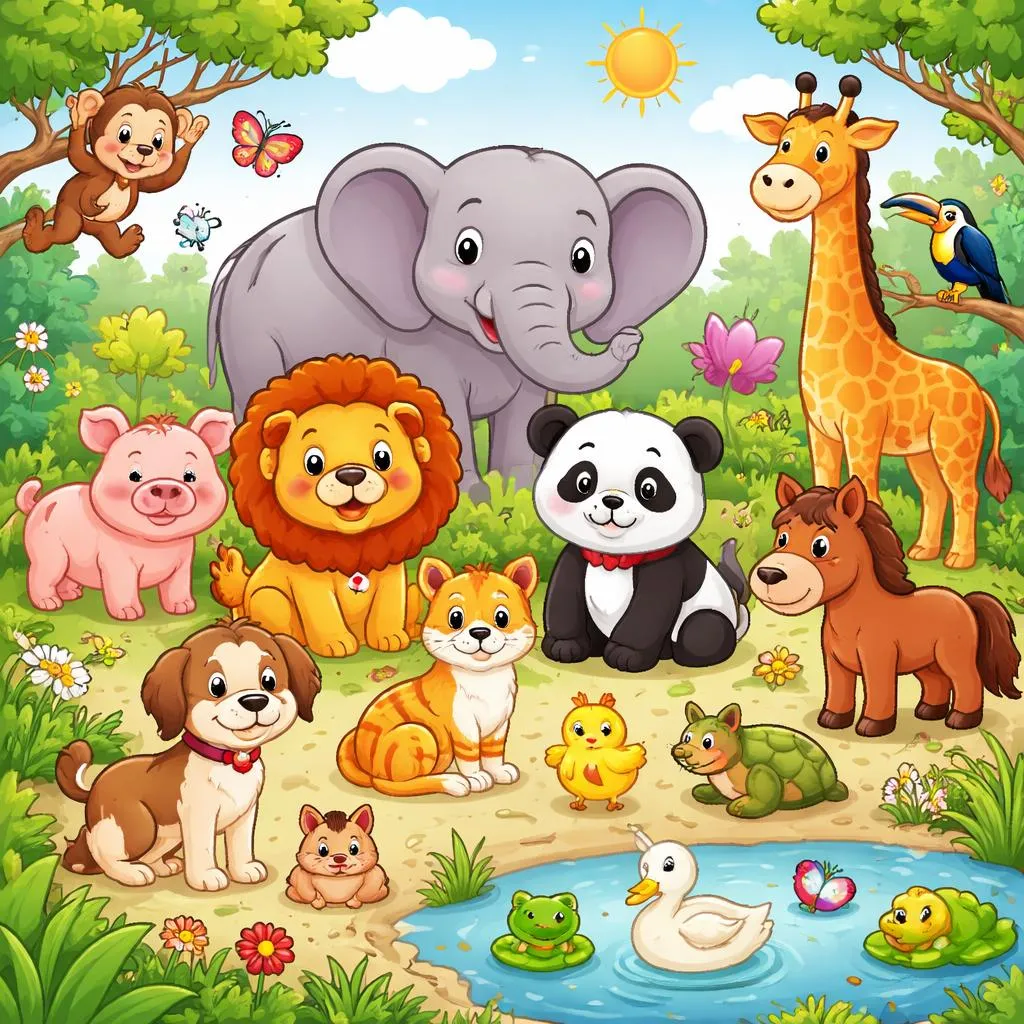

Animal names are basic words. They appear early in language learning.
Children learn animal names first. They are fun and easy.
Animal names connect language to the world. They help learners describe what they see.
This topic is friendly. It is perfect for beginners.
Why Animal Names Matter
Animal names build vocabulary. They feel familiar.
Learners see animals in books. They see animals in daily life.
Using animal names feels natural. It reduces fear of speaking.
Simple words build confidence. Confidence supports learning.
Animals and Early Language Learning
Animals appear in songs. They appear in stories.
Children hear animal sounds. They connect sound and word.
This makes learning playful. Play supports memory.
Animal names are concrete. Concrete words are easier to remember.
Common Pet Animal Names
Pets are close to people. Their names are learned early.
Dog is a common word. Cat is another.
Fish lives in water. Bird can fly.
Rabbit is small. Hamster is tiny.
These animals appear at home. They feel familiar.
Farm Animal Names
Farm animals are common in stories. They appear in books.
Cow gives milk. Pig lives on a farm.
Sheep has wool. Goat climbs and jumps.
Horse runs fast. Chicken lays eggs.
Farm animals teach food connection. They link animals and daily life.
Wild Animal Names
Wild animals live in nature. They do not live with people.
Lion is strong. Tiger is fast.
Elephant is big. Giraffe is tall.
Zebra has stripes. Bear lives in forests.
Wild animals excite learners. They spark curiosity.
Zoo Animal Names
Zoos introduce many animals. Children enjoy visiting.
Monkey climbs trees. Panda eats bamboo.
Kangaroo jumps far. Penguin walks and swims.
Zebra looks like art. Flamingo stands on one leg.
Zoo animals feel special. They inspire questions.
Sea Animal Names
Sea animals live in water. They feel mysterious.
Fish swim in groups. Dolphins are friendly.
Whales are very big. Sharks have sharp teeth.
Octopus has eight arms. Crab walks sideways.
Sea animals expand imagination. They add variety.
Bird Names for Beginners
Birds are easy to spot. They fly in the sky.
Duck swims and walks. Swan looks elegant.
Eagle flies high. Owl comes out at night.
Parrot can copy sounds. Pigeon lives in cities.
Bird names support observation. They build awareness.
Insect Names
Insects are small animals. They are everywhere.
Ant works in groups. Bee makes honey.
Butterfly has wings. Spider spins webs.
Fly moves fast. Ladybug looks cute.
Insects teach detail. They improve noticing skills.
Reptile Names
Reptiles feel different. They move slowly or quietly.
Snake has no legs. Lizard climbs rocks.
Turtle has a shell. Crocodile lives near water.
These animals feel exciting. They add contrast.
Animal Names and Sounds
Animals make sounds. Sounds help memory.
Dogs bark. Cats meow.
Cows moo. Sheep baa.
Sound and name connect. Connection helps recall.
Songs use this method. It works well for children.
Animal Names in Songs
Songs repeat animal names. Repetition helps learning.
Simple rhythms support memory. Children sing easily.
Old songs teach animals. New songs do too.
Music makes words stick. It reduces pressure.
Animal Names in Stories
Stories use animals as characters. They feel friendly.
Animals talk in stories. Children relate to them.
Stories teach values. They teach language too.
Animal names repeat often. This builds familiarity.
Animal Names and Adjectives
Animals help describe size. They show color.
Big elephant. Small mouse.
Fast cheetah. Slow turtle.
Using animals with adjectives builds descriptive skills.
Animal Names and Plurals
Plural forms matter. Learners notice patterns.
One cat. Two cats.
One dog. Many dogs.
Animals help practice plurals. They make rules clear.
Animal Names and Categories
Animals belong to groups. Grouping helps memory.
Pets. Farm animals.
Wild animals. Sea animals.
Categories organize vocabulary. Organization reduces overload.
Animal Names and Visual Learning
Pictures help learning. Animals are visual.
Flashcards show animals. Books use images.
Seeing and naming together strengthens memory.
Visual learning suits beginners. It feels easy.
Animal Names in Daily Life
Animal names appear daily. On signs.
In shows. In games.
They appear in jokes. They appear in cartoons.
This constant exposure helps. Learning feels natural.
Animal Names and Pronunciation
Animal names are short. They are easy to say.
Dog. Cat.
Lion. Bear.
Short words help pronunciation. They build speaking confidence.
Animal Names and Early Reading
Animals appear in early readers. They support decoding.
Simple sentences use animals. The cat runs.
The dog sleeps. The bird flies.
This supports reading fluency. It builds success.
Animal Names and Memory
Animals connect to emotion. Emotion strengthens memory.
Children like animals. Interest helps retention.
Happy learning lasts longer. Animals support this.
Animal Names and Culture
Different cultures value animals. Stories show this.
Some animals symbolize strength. Others symbolize luck.
Learning animal names opens cultural understanding.
Understanding builds respect.
Animal Names and Games
Games use animals. Guessing games.
Matching games. Sound games.
Games reduce stress. They make learning fun.
Animal names fit games well. They are flexible.
Animal Names for Speaking Practice
Speaking starts with simple words. Animals help.
Point and say. Name the animal.
This builds oral confidence. Confidence supports progress.
Animal Names and Sentence Building
Animals help build sentences.
The dog runs. The cat sleeps.
The bird flies. The fish swims.
Simple structures repeat. Repetition builds grammar.
Animal Names and Question Practice
Questions use animals.
What animal is this. Is it a dog.
Questions build interaction. Interaction builds language skill.
Animals make questions easy. They reduce anxiety.
Animal Names and Child-Friendly Learning
Animals suit children. They feel safe.
No abstract ideas. Only real things.
This supports early learning. It builds a strong base.
Animal Names and Adult Learners
Adults enjoy animals too. They feel nostalgic.
Animals reduce pressure. Learning feels lighter.
Simple vocabulary works for all ages. It is never too basic.
Animal Names and Long-Term Learning
Animal names stay useful. They never disappear.
They appear in advanced texts. They appear in idioms.
Learning them well supports future growth.
Basics remain important. They support everything else.
Animal Names and Confidence
Using animal names feels easy. Easy success matters.
Success motivates learners. Motivation keeps learning alive.
Small wins build momentum. Animals provide those wins.
Animal Names as a Vocabulary Foundation
Animal names are foundation words. They start learning.
They connect to grammar. They connect to speaking.
Strong foundations support fluency. Animals help build them.
Animal Names and Curiosity
Animals spark curiosity. Learners ask questions.
Where do they live. What do they eat.
Curiosity drives learning. Animals encourage it.
Animal Names and Daily Review
Daily review helps retention. Animals are easy to review.
Name five animals. Draw an animal.
Say the name aloud. Repetition works.
Animal Names and Language Joy
Learning should feel joyful. Animals bring joy.
Smiles appear. Laughter appears.
Positive emotion supports learning. Animals create that emotion.
Animal names are simple. They are powerful.
They support vocabulary. They support confidence.
Learning animal names helps beginners start strong, feel comfortable, and enjoy language learning from the very beginning.Animal Names and Action Words
Animal names work well with actions. They show movement.
The dog runs. The cat jumps.
The bird flies. The fish swims.
Using animals with verbs helps learners understand action words.
Actions make sentences alive. They support comprehension.
Animal Names and Daily Routines
Animals appear in routines.
Feeding a pet is daily. Walking a dog is common.
These routines use simple language. Language feels real.
Talking about animals connects words to life.
This makes learning meaningful. Meaning improves memory.
Animal Names and Describing Size
Animals help explain size.
An elephant is big. A mouse is small.
A giraffe is tall. A snake is long.
Size words become clear. Visual comparison helps understanding.
This supports adjective learning. Adjectives add detail.
Animal Names and Color Words
Animals have clear colors.
A white sheep. A black cat.
A brown horse. A green frog.
Color words feel concrete. They are easy to practice.
Combining color and animal builds descriptive skill.
Description improves speaking.
Animal Names and Habitats
Animals live in places. Places matter.
Fish live in water. Birds live in trees.
Lions live on land. Frogs live near water.
Learning habitats adds context. Context deepens understanding.
This builds world knowledge. Language connects to science.
Animal Names and Simple Facts
Simple facts support learning.
A cow gives milk. A bee makes honey.
A hen lays eggs. A sheep has wool.
Facts make sentences useful. They feel informative.
Useful language motivates learners. Motivation supports progress.
Animal Names and Question Practice
Animals support questions.
What animal is this. Where does it live.
What does it eat. Is it big.
Questions encourage interaction. Interaction improves speaking.
Animals reduce fear. They feel safe to talk about.
Animal Names and Early Writing
Writing starts small.
Write one animal name. Add one word.
The dog sleeps. The bird sings.
Short writing builds confidence. Confidence supports longer writing later.
Animals make writing less scary. They feel friendly.
Animal Names and Story Building
Stories often use animals.
Animals become characters. Characters act.
A fox runs. A turtle waits.
Stories support imagination. Imagination supports creativity.
Creative learning feels enjoyable. Enjoyment supports memory.
Animal Names and Moral Lessons
Animals teach lessons in stories.
A lion shows strength. An ant shows teamwork.
These ideas feel gentle. They are easy to understand.
Language and values connect. This deepens learning.
Children remember lessons. Memory supports language.
Animal Names and Listening Skills
Listening improves with familiar words.
Animal names stand out. They are easy to catch.
Hearing known words builds listening confidence.
Confidence reduces stress. Reduced stress improves focus.
Animals help early listening practice.
Animal Names and Classroom Use
Teachers use animals often.
Pictures show animals. Games use animals.
Students respond quickly. They feel engaged.
Engagement supports learning. Animals increase participation.
This works for all ages.
Animal Names and Repetition
Repetition matters.
Hearing dog many times makes it automatic.
Seeing cat again and again builds recognition.
Animals appear often. They support natural repetition.
Natural repetition works best.
Animal Names and Memory Games
Memory games use animals.
Match the animal. Name the animal.
These games feel playful. Play reduces pressure.
Reduced pressure improves recall. Recall supports speaking.
Animals fit games well.
Animal Names and Cross-Language Learning
Animals appear in all languages. Names change.
Comparing names is fun. It builds awareness.
Dog and perro. Cat and gato.
This comparison sparks interest. Interest supports learning.
Animal Names and Long-Term Vocabulary
Animal names stay useful.
They appear in idioms. They appear in jokes.
They appear in advanced texts. They never disappear.
Strong basics last. Animal names are strong basics.
Animal Names and Learner Confidence
Confidence grows with success.
Animal words bring success early. Early success matters.
Learners feel capable. They want to continue.
Animals support this feeling. They help learning start well.
Animal Names as a Learning Anchor
Animal names anchor learning.
They connect sound and meaning. They connect image and word.
Anchors support memory. Memory supports growth.
This makes animals powerful in early language learning.
Animal names are simple. They are flexible.
They support listening. They support speaking.
They support reading. They support writing.
Adding animal names to learning creates comfort, confidence, and a strong vocabulary base that supports language growth over time.