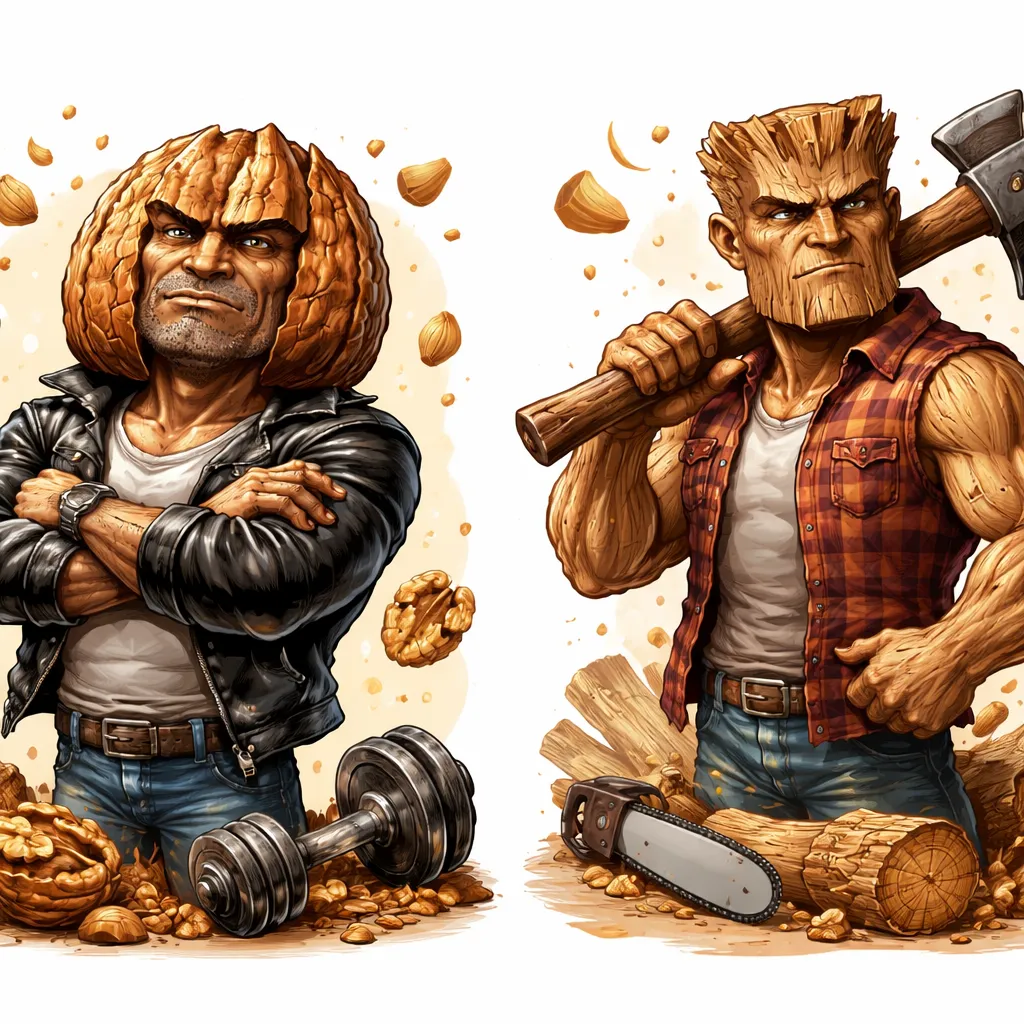

Children know hard rocks. They also know tough jerky. Parents often hear kids say, “This table is hard.” Or “This meat is tough.” But are these two words the same? Can we always use one instead of the other? This article helps families explore the words “hard and tough” together. We will compare them with similar words. We will see which one fits a diamond and which one fits a strong person. Let us help your child describe firmness and strength with accuracy.
Are Similar Words Really Interchangeable? Many English words describe things that resist pressure. But they each carry different meanings. “Hard” and “tough” both describe strong, firm things. Yet we use them in different situations. A hard chair does not bend. A tough job requires effort. You cannot always swap them. For example, a hard heart means unkind. A tough heart means resilient. Both work, but the feeling changes. So similar words are not always interchangeable. Parents can show this with real objects. Point to a hard rock. Then point to a tough piece of leather. Ask your child: “Can I call the rock tough?” The answer is no, because tough implies flexibility or endurance, not just firmness. Teaching these small differences builds a strong vocabulary.
Set 1: Hard vs Tough — Which One Is More Common? “Hard” appears much more often in daily English. We say hard work, hard rock, hard test, hard time. “Tough” appears less frequently. People say tough meat, tough guy, tough decision, tough material. In children’s books, “hard” dominates. Think of hard floors and hard candies. “Tough” shows up in stories about heroes or difficult tasks. Look at Google Ngram. “Hard” has always been far more common. For young learners, teach “hard” first. Use it for firm surfaces and difficult things. Save “tough” for strong materials and resilient people. This order helps kids build a useful vocabulary.
Set 2: Hard vs Tough — Same Meaning, Different Contexts Both words mean “not soft or easy to break.” But context separates them. “Hard” focuses on firmness and resistance to pressure. A hard diamond does not scratch. Hard math problems are difficult to solve. “Tough” focuses on durability and ability to withstand stress. Tough boots last for years. A tough person does not give up easily. You can have a hard candy that is not tough. It breaks when you bite it. You can have a tough rubber band that is not hard. It bends but does not break. So one word is about firmness. The other word is about strength and endurance. Tell your child: “Hard means you cannot press it. Tough means you cannot break it easily.”
Set 3: Hard vs Tough — Which Word Is “Bigger” or More Emphatic? “Tough” often feels more about character and endurance. A tough soldier survives hard conditions. Tough love means strict care. “Hard” feels more about physical firmness or difficulty. A hard rock is unmoving. Hard times are unpleasant. So “tough” carries a sense of resilience and admiration. “Hard” carries a sense of challenge or inflexibility. For children, explain this way: “Hard means firm or difficult. Tough means strong and not easy to damage.” A hard cookie might break. A tough cookie (person) keeps going. This helps kids understand that “tough” often describes people’s spirit. “Hard” describes objects and tasks.
Set 4: Hard vs Tough — Concrete vs Abstract Both words work concretely and abstractly. Concrete “hard”: hard wood, hard ice, hard shell. Abstract “hard”: hard life, hard lesson, hard truth. Concrete “tough”: tough leather, tough rope, tough plastic. Abstract “tough”: tough choice, tough opponent, tough luck. However, abstract “tough” almost always describes challenges or strong character. Abstract “hard” describes difficulty or lack of softness in situations. A hard heart is cruel. A tough heart is brave. For children, start with concrete meanings. Show a hard stone. Show a tough piece of rope. Later, introduce abstract uses through stories. Explain that a “hard test” has many difficult questions. A “tough kid” does not give up when things get hard.
Set 5: Hard vs Tough — Verb or Noun? First Understand the Role Both words are primarily adjectives. “Hard” can be an adverb. “Work hard.” “Tough” is rarely a verb. “Toughen” is the verb. As nouns, “hard” is rare. “The hard” means the hard part. “Tough” as a noun means a rough person. “A street tough.” For young children, focus on adjectives. “This rock is hard.” “This rope is tough.” Later, teach the verb “toughen.” “Exercise will toughen your muscles.” Teach “hard” as an adverb. “Push hard.” This builds grammar naturally. Also teach “tough” as a noun only for older kids. “The toughs in the movie were scary.” Keep it simple for young learners.
Set 6: Hard vs Tough — American English vs British English Both words work similarly in American and British English. However, small differences exist. In the UK, “hard” can mean difficult in a frustrating way. “That’s hard” is common. In the US, same. “Tough” in British slang can mean unfortunate. “That’s tough” means too bad. Americans use this too but with a different tone. In the US, “tough” is often positive for character. “He is tough” means strong. In the UK, it can mean aggressive. For children, these differences are minor. Teach the core meanings. If your child watches British cartoons, they may hear “tough” for bad luck. American shows use “tough” for strength. A family activity: watch a US superhero show and a UK adventure show. Listen for “hard” and “tough.” Compare how heroes describe themselves.
Set 7: Hard vs Tough — Which Fits Formal Situations? Both words work in formal and informal settings. “Hard” appears in science and engineering. “Hardness scale.” “Toughness measurement.” “Tough” appears in materials science too. “Tough material resists cracking.” For school reports, both are fine. But “hard” is more common for physical properties. “Tough” is more common for durability. Teach your child this rule: “Use hard for firmness and difficulty. Use tough for strength and resilience.” In a science report about rocks, “hard” is correct. In a report about ropes, “tough” is better. This helps kids learn precision. They understand that word choice depends on what quality you want to highlight.
Set 8: Hard vs Tough — Which One Is Easier for Kids to Remember? “Hard” is easier for young children. Why? Because it has one syllable. It sounds like “card” or “yard.” Children learn “hard” early from touching tables and floors. “Tough” has one syllable too, but the “t” and “f” together are trickier. The “ough” spelling confuses many children. It sounds like “stuff.” A three-year-old can say “hard” clearly. That same child may say “tough” as “tuff” but spell it wrong later. So start with “hard.” Use it for all firm surfaces and difficult tasks. Introduce “tough” around age five or six. Use real objects. Tough meat that is hard to chew. Tough boots that last a long time. Let them see the difference. Then say “tough.” This sensory learning works better than definitions.
Mini Exercise: Can You Spot the Differences Between These Similar Words? Read each sentence with your child. Choose “hard” or “tough.” Answers below.
This diamond is the _______ natural material.
The _______ meat took forever to chew.
She is a _______ competitor who never gives up.
The math problem was too _______.
These boots are _______ enough for hiking.
Bonus question: Is this sentence correct? “The tough of the rock hurt my foot.” Why or why not?
Answers: 1. hardest, 2. tough, 3. tough, 4. hard, 5. tough. Bonus: Not correct. “Tough” is an adjective, not a noun. Say “The hardness of the rock hurt my foot” or “The tough rock hurt my foot.”
Talk about each answer. Ask your child which sentences describe firmness. Which describe durability or character. Which describe difficulty. This discussion builds precision. Do the exercise again with real objects. A steel bar? Hard. A leather belt? Tough. A difficult puzzle? Hard. A resilient athlete? Tough.
Parent Tips: How to Help Kids Learn and Remember Similar Words You can teach “hard and tough” during daily moments. Breakfast time: “This toast is hard. This bagel is tough to chew.” Playtime: “The concrete ground is hard. These toy tires are tough.” Nature walk: “Find a hard rock. Find a tough vine that does not break.” Story time: “The hard worker finished the job. The tough hero saved the day.” Use your body. Knock on a table to show hard. Pull on a rope to show tough. Say the words as you move. Play the “Hard or Tough” sorting game. Gather ten objects. A metal spoon? Hard. A rubber boot? Tough. A brick? Hard. A pair of jeans? Tough. A frozen pea? Hard. A leather wallet? Tough. Ask your child to explain each choice. Do not correct mistakes harshly. Instead, ask “Does it resist pressing? That is hard. Does it resist breaking or tearing? That is tough.” This gentle guidance works better than rules. Read books about materials and heroes. “The Three Little Pigs” has hard bricks and tough sticks. Pause on each page. Ask “Is this hard or tough? Why?” Keep a strength journal. Draw one hard thing and one tough thing each week. Label them. Review old entries. Praise specific observations. “You noticed that a diamond is hard but not necessarily tough because it can crack. Brilliant.” This positive feedback builds a scientific and resilient mindset. Your child will soon see hardness and toughness everywhere. They will also understand the difference between firmness and durability. That is a sophisticated skill for a young learner. Keep exploring words together. Every object, every material, every challenge offers a new chance to learn about strength.