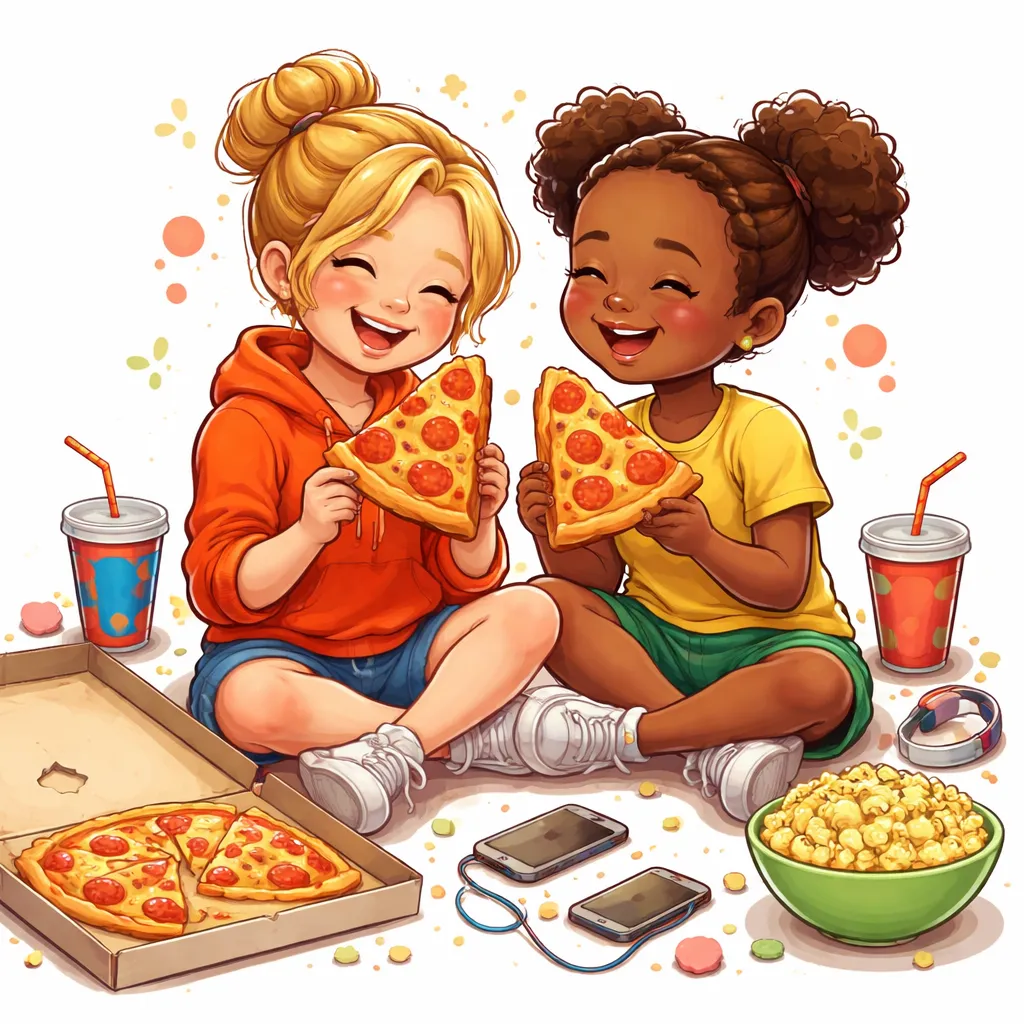

Children split cookies. They also find matching socks. Parents often hear kids say, “We have equal amounts.” Or “These two toys are the same.” But are these two words the same? Can we always use one instead of the other? This article helps families explore the words “equal and same” together. We will compare them with similar words. We will see which one fits a math equation and which one fits identical twins. Let us help your child describe fairness, matching, and exactness with confidence.
Are Similar Words Really Interchangeable? Many English words describe things that match or are alike. But they each carry different focus. “Equal” and “same” both mean “not different in value, amount, or quality.” Yet we use them in different situations. Equal shares of cake mean the same amount. The same cake means one cake. You cannot always swap them. For example, equal rights are fair. Same rights sound identical. Both are good, but “equal” focuses on value, “same” focuses on identity. So similar words are not always interchangeable. Parents can show this with real objects. Point to two equal glasses of water. Then point to two same coins. Ask your child: “Are the glasses the same water?” No, they are separate but equal. Teaching these small differences builds a strong vocabulary.
Set 1: Equal vs Same — Which One Is More Common? “Same” appears much more often in daily English. We say same time, same place, same color, same idea. “Equal” appears frequently but less often. People say equal rights, equal pay, equal opportunity, equal sign. In children’s books, “same” dominates for matching and identity. “Equal” shows up in math and fairness discussions. Look at Google Ngram. “Same” has always been far more common. For young learners, teach “same” first for identical things. Save “equal” for math, amounts, and fairness. This order helps kids speak naturally first.
Set 2: Equal vs Same — Same Meaning, Different Contexts Both words mean “not different.” But context separates value from identity. “Equal” describes things that have the same value, amount, or size. Two equal pieces of cake, equal numbers, equal weight. “Same” describes things that are identical or exactly alike. The same shirt, same name, same house. You can have two equal glasses of water that are not the same water. You can have the same person with equal rights. So one word is about measurement and fairness. The other word is about identity and matching. Tell your child: “Equal means the amount or value is the same. Same means it is exactly that one thing or exactly alike.”
Set 3: Equal vs Same — Which Word Is “Bigger” or More Emphatic? “Equal” often feels more mathematical and fair. Equal justice, equal chance, equal weight. These are ideals. “Same” feels more concrete and everyday. The same car, same teacher, same lunch. So “equal” carries a sense of abstract fairness and measurement. “Same” carries a sense of literal identity or exact matching. For children, explain this way: “Equal is about numbers and fairness. Same is about things that look exactly alike or are the exact one.” Two equal scoops of ice cream are the same amount. Two same scoops from the same tub are identical in shape but separate.
Set 4: Equal vs Same — Concrete vs Abstract Both words work concretely and abstractly. Concrete “equal”: equal length, equal weight, equal pieces. Abstract “equal”: equal rights, equal opportunity, equal value. Concrete “same”: same shirt, same house, same person. Abstract “same”: same idea, same feeling, same opinion. However, “equal” almost always involves comparison of measurable qualities. “Same” involves identity or exact likeness. For children, start with concrete meanings. Show two equal cups of water. Show two same coins from the same mint. Later, introduce abstract uses through stories. Explain that “equal respect” means treating everyone fairly. “The same dream” means identical in content.
Set 5: Equal vs Same — Verb or Noun? First Understand the Role Both words are adjectives. “Equal” can be a verb and a noun. “Five plus five equals ten.” “He is my equal in chess.” “Same” is only an adjective or pronoun. “The same” as a noun phrase. For young children, focus on adjectives. “These pieces are equal.” “These crayons are the same color.” Later, teach the verb “equal.” “Two plus two equals four.” Teach the noun “equal.” “Treat everyone as your equal.” This builds grammar naturally. Also teach “same” as a pronoun. “I’ll have the same.” Keep it simple. Your child will learn these forms over time.
Set 6: Equal vs Same — American English vs British English Both words work similarly in American and British English. However, small differences exist. In the UK, “same” is used in math as well. “Same value” is common. In the US, “equal” is more common in math. In British English, “equal” for social issues is very common. “Equal pay.” Americans use it the same way. In the US, “same” can mean “identical” or “unchanged.” “He is the same as before.” Britons use it the same. For children, these differences are minor. Teach the core meanings. A family activity: compare a US math worksheet and a UK one. Look for “equal” and “same.” You will see “equal” more in the US for equations.
Set 7: Equal vs Same — Which Fits Formal Situations? Both words work in formal and informal settings. “Equal” appears in law, math, and social sciences. “Equal protection,” “equal sign,” “equal distribution.” “Same” appears in everyday speech and informal writing. For school reports, “equal” sounds more precise for measurements and rights. “Same” sounds fine but less formal. Teach your child this rule: “Use equal for amounts, values, and fairness. Use same for identity and exact matching.” In a math report, “equal groups” is correct. In a description of two identical toys, “the same toy” works best. This helps kids learn register.
Set 8: Equal vs Same — Which One Is Easier for Kids to Remember? “Same” is easier for young children. Why? Because it has one syllable. It sounds like “name” or “game.” Children learn “same” early when matching socks or finding pairs. “Equal” has two syllables. “E-qual.” The “e” sound is like “eagle.” A three-year-old can say “same” clearly. That same child may say “equal” as “ee-kwal.” So start with “same.” Use it for matching, identical things, and unchanged situations. Introduce “equal” around age five or six. Use math examples. “Two plus two equals four.” “Cut the sandwich into two equal halves.” This math connection helps children remember.
Mini Exercise: Can You Spot the Differences Between These Similar Words? Read each sentence with your child. Choose “equal” or “same.” Answers below.
We have the _______ teacher this year as last year.
Please pour _______ amounts of juice into each cup.
These two paintings look exactly the _______.
All people deserve _______ rights under the law.
Five plus five _______ ten.
Bonus question: Is this sentence correct? “The equal of these two shoes is perfect.” Why or why not?
Answers: 1. same, 2. equal, 3. same, 4. equal, 5. equals. Bonus: Not correct. “Equal” as a noun means a person of the same status. Say “The match of these two shoes is perfect” or “These two shoes are equal in size.”
Talk about each answer. Ask your child which sentences describe identity or exact matching. Which describe amounts or fairness. This discussion builds precision. Do the exercise again with real objects. Two identical cups? Same. Two cups with the same amount of water? Equal amounts. Two matching socks? Same. Two equal pieces of cake? Equal.
Parent Tips: How to Help Kids Learn and Remember Similar Words You can teach “equal and same” during daily moments. Breakfast time: “Please pour equal amounts of cereal. We have the same box of cereal as yesterday.” Playtime: “These two blocks are the same color. Share the toys in equal numbers.” Math time: “Equal means both sides are the same amount. The same number of blocks on each side.” Sharing time: “Equal pieces of orange for everyone. We all get the same fruit.” Use your body. Hold your hands apart to show equal distance. Point to two identical things to show same. Say the words as you move. Play the “Equal or Same” sorting game. Gather ten examples. Two identical coins? Same. Two cups with equal water? Equal. Two matching socks? Same. Two groups of three blocks? Equal. Two twin sisters? Same face but different people. Ask your child to explain each choice. Do not correct mistakes harshly. Instead, ask “Are we talking about amount or value? That is equal. Are we talking about identity or exact matching? That is same.” This gentle guidance works better than rules. Read books about fairness and matching. “Equal Shmequal” or “The Same But Different.” Pause on each page. Ask “Is this equal or same? Why?” Keep a fairness journal. Draw one equal thing and one same thing each week. Label them. Review old entries. Praise specific observations. “You noticed that equal rights are about fairness, but the same shirt means wearing your brother’s shirt. Perfect.” This positive feedback builds a fair and precise child. Your child will soon see equal and same things everywhere. They will also understand the difference between equal value and identical identity. That is a sophisticated skill for a young learner. Keep exploring words together. Every snack, every pair of socks, every math problem offers a new chance to learn about equality and sameness.