Introduction to Tunisia Learning Reading:Tunisia helps children explore a unique North African nation through simple English texts.Tunisia sits at the crossroads of Africa, Europe, and the Middle East.It blends ancient history, sunny coasts, and warm local culture.This topic makes English reading meaningful and fun for young learners. Parents can use real-world stories to build reading confidence at home.Each section offers clear words and short sentences for steady progress.Children learn about the world while practicing core reading skills.This guide supports daily practice without stress or pressure. Where Is Tunisia? Tunisia lies in the northernmost part of Africa.It borders Algeria to the west and Libya to the southeast.The Mediterranean Sea shapes its long northern and eastern coastlines.Many ships pass through nearby waters connecting Europe and Africa. The capital city is Tunis, located in the northern part of the country.Tunisia has a long coastline with beautiful beaches and small ports.Its location brings mild weather in the north and dry deserts in the south.Knowing its place helps kids understand maps and basic geography words. Interesting Facts About Tunisia Tunisia is home to Carthage, one of the most famous ancient cities.Ruins of old buildings still stand near the modern capital.The country has both Mediterranean beaches and Sahara Desert landscapes.Many visitors come to see deserts, historic sites, and coastal towns. Olive oil is a major product and part of daily Tunisian meals.Local markets sell fresh fruits, bread, and handmade crafts.Tunisia celebrates independence on March 20 each year.Traditional music and dance show the rich local culture. The country uses Arabic as its main language.Many people also speak French in daily life and business.Tunisia has a long history of trade and cultural exchange.These facts give kids real content to read and remember. Key Vocabulary About Tunisia Learning Reading:Tunisia introduces high-frequency words for daily use.Coast: the land along the edge of a sea or ocean.Desert: a dry area with little water and few plants.Capital: the main city where a country’s government works.Ruins: the remains of old buildings from long ago. Culture: the traditions, art, and way of life of a group.Independence: freedom from rule by another country.Olive: a small fruit used to make oil and eat as food.Market: a place where people buy and sell goods. History: events and stories from the past.Climate: the usual weather in a place over time.These words repeat in sentences to build recognition quickly.Kids master vocabulary while learning about a real country. The Famous People About Tunisia Habib Bourguiba helped Tunisia gain independence and led early development.He worked to improve schools and rights for many citizens.Claudia Cardinale, a well-known actress, was born in Tunisia.She appeared in many classic films around the world. Dhafer Youssef is a popular musician with a unique musical style.He mixes traditional Tunisian sounds with modern music.Najla Bouden became the first female prime minister in Tunisia.She inspired many young people with her leadership. These people show different talents and achievements.Reading short facts about them builds comprehension and curiosity.Kids connect names to stories and remember words more easily.Famous figures make the topic relatable and memorable. Simple Sentences for Reading Practice Tunisia is a country in North Africa.The capital city is Tunis.I can see the Mediterranean Sea from Tunisia.Carthage has old and amazing ruins. The desert is very dry and sunny.Olive oil comes from Tunisian olive trees.People enjoy fresh food at local markets.Tunisia has a long and interesting history. We read books to learn about Tunisia.Learning Reading:Tunisia makes practice fun.The climate in the north is mild and pleasant.Culture helps us understand different people. Each sentence uses the vocabulary from earlier sections.Short structure helps kids read smoothly and independently.Parents can read aloud and let children repeat to build fluency.Daily practice with these sentences boosts reading speed and confidence. Short Reading Passage About Tunisia Tunisia is a wonderful country in North Africa.It has a long coast along the Mediterranean Sea.The north has mild weather and green farmland.The south has wide, quiet deserts under bright sun. The capital city is Tunis, a busy and lively place.Near Tunis stand the ruins of ancient Carthage.People here love olive oil, fresh bread, and sweet fruits.Local markets are full of color, sound, and friendly smiles. Tunisia has a rich history and warm culture.Many visitors come to enjoy beaches and old sites.Learning Reading:Tunisia helps kids explore this land.Reading simple stories makes learning new things easy and joyful. Children can read this passage aloud with family support.It uses repeated words to strengthen recognition and flow.Understanding the passage builds real reading comprehension.Kids feel proud when they finish a complete text on their own. Fun Questions About Tunisia Which sea is next to Tunisia?What is the capital city of Tunisia?What old city has famous ruins in Tunisia?What two main landscapes does Tunisia have? What important food product comes from Tunisia?When do people celebrate Tunisia’s independence?Who helped Tunisia gain long-term independence?How does Learning Reading:Tunisia help young readers? These questions check understanding in a relaxed way.Kids answer using words they just practiced.Parents can ask follow-up questions to extend learning.Fun questions turn reading into an interactive game at home. Tips for Learning English with This Topic Start with 10 to 15 minutes of reading each day.Short, regular practice works better than long sessions.Read aloud together to build pronunciation and rhythm.Take turns reading sentences to keep it light and engaging. Point to new words and say them slowly for clarity.Use pictures or maps to show Tunisia’s land and cities.Connect words to real objects like olives or a small globe.Visual clues help kids remember words faster. Let children read parts they enjoy several times.Repetition builds fluency and reduces anxiety.Praise small wins to keep motivation strong.A positive environment makes reading a happy habit. Use the vocabulary list for quick daily review.Make simple flashcards with words and small drawings.Review five words each day before the main reading.Consistent review turns new words into long-term memory. Choose one fun fact to read and discuss together.Ask what the child found most interesting.Talking about the text deepens comprehension.Kids learn to think and express ideas in English. Track progress with a small chart or sticker system.Celebrate completed passages and new words learned.Confidence grows when children see their improvement.Learning Reading:Tunisia becomes a positive part of daily learning. Mix reading with simple drawing or writing.Ask kids to draw Tunisia’s desert or coast.Label the picture with one or two English words.Creative activities strengthen reading and word recall. Avoid correcting every small mistake during reading.Focus on flow and understanding first.Gently clarify words when the child pauses or struggles.Kind support helps kids keep trying without fear. Use this topic as a gateway to more country-themed reading.After Tunisia, explore other nations with similar simple texts.Children build a global perspective while improving English.Reading becomes a tool to discover the world one story at a time. Learning Reading:Tunisia brings together geography, culture, and language in one gentle lesson. Every short sentence and familiar word helps children move from sounding out letters to understanding full ideas. With daily practice and family support, young readers gain not just better English skills, but also curiosity about distant lands and respect for different ways of life. Each page turned brings more confidence, and each new word opens a little wider the door to lifelong learning.
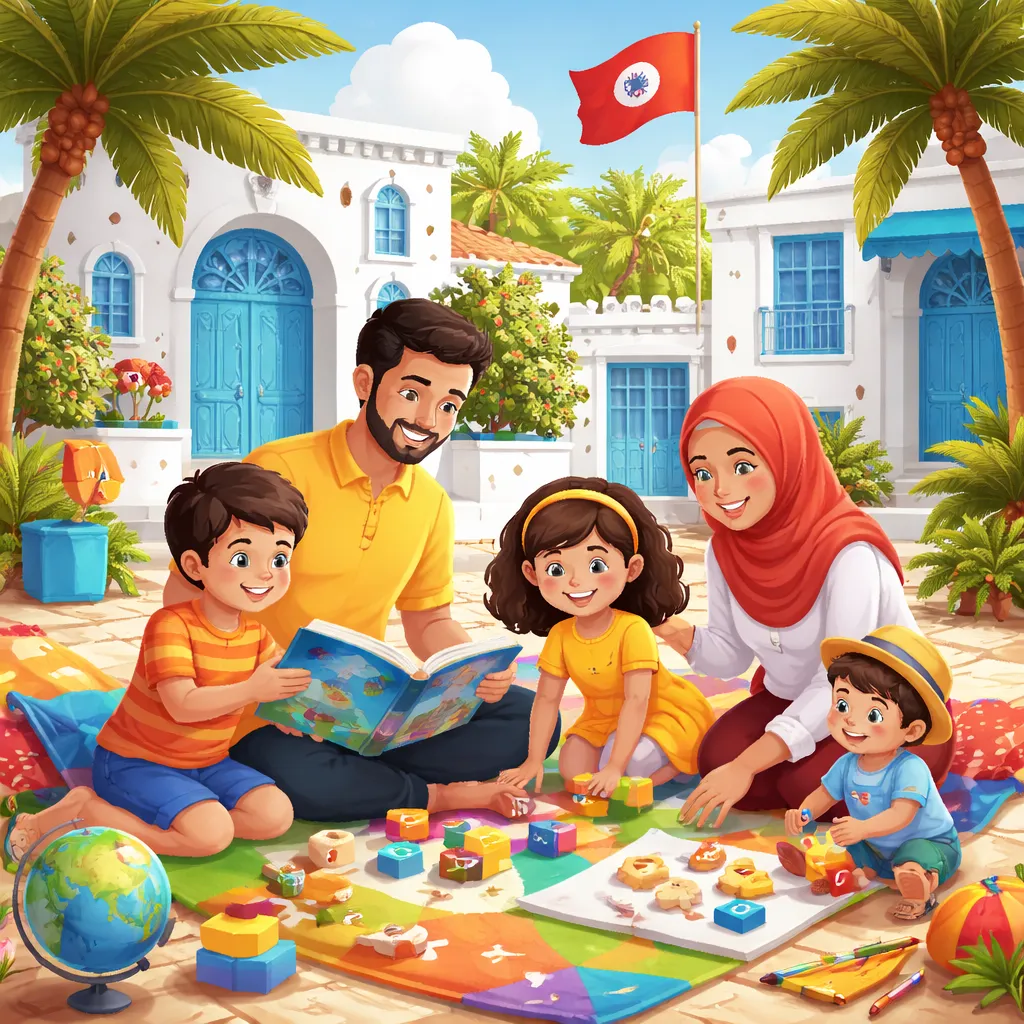
Can Families Enjoy Learning Reading:Tunisia Together With Fun Activities
