
Introduction to Liberia
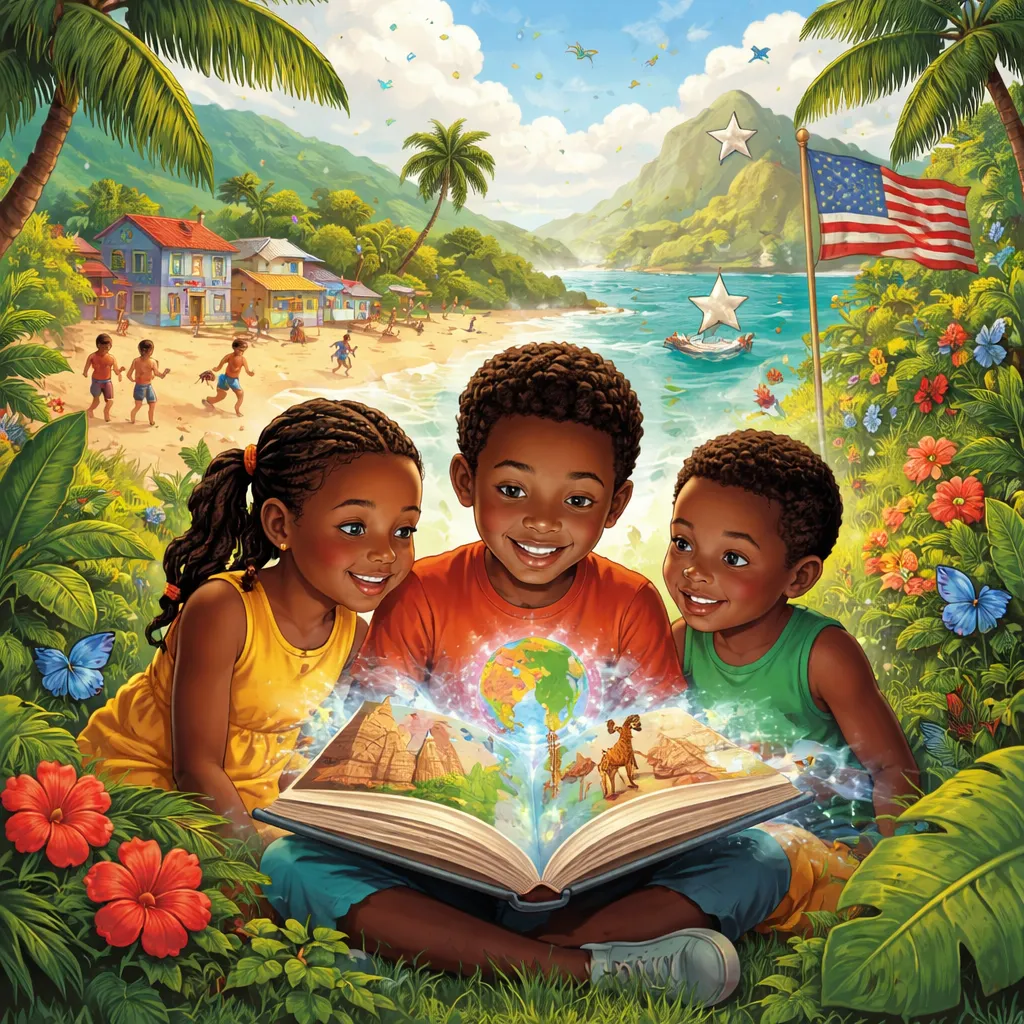
Language learning becomes exciting when we connect it to real places. Today, we travel to a West African nation with a unique story. This country holds a special place in history. It was founded by freed American slaves in the 19th century. Its name means “land of the free.” Learning about this country helps children build reading skills. It also opens their eyes to diverse cultures. We will explore geography, history, and fun facts. This journey makes language learning reading meaningful. Every new word becomes a window into a different world.
Where Is Liberia?
Liberia sits on the west coast of Africa. It faces the Atlantic Ocean to the south. The country shares borders with Sierra Leone, Guinea, and Côte d’Ivoire. Its location gives it warm weather year-round. Rainforests cover much of the land. Rivers flow from inland mountains down to the sea. The capital city is Monrovia. Monrovia is named after U.S. President James Monroe. The city sits on a peninsula by the ocean. Children can find Liberia on a map. It looks like a small country nestled between its neighbors. Understanding location helps young readers place stories in context. This builds a stronger connection to the material.
Interesting Facts About Liberia
Liberia has many fascinating facts for young learners. It was the first African republic to declare independence. That happened in 1847. The country’s flag looks similar to the United States flag. It has one big star and eleven stripes. The stripes represent the eleven men who signed the independence declaration. Another interesting fact involves its name. Liberia comes from the Latin word “liber,” meaning free. The country also has beautiful beaches. Many sea turtles nest along its shores. Children might enjoy learning about pygmy hippos. These rare animals live in Liberia’s forests. They are much smaller than regular hippos. These facts spark curiosity. Curiosity makes language learning reading more engaging.
Key Vocabulary About Liberia
Let us build vocabulary related to this country. Each word helps children describe what they learn.
Republic: a country where people choose their leaders.
Rainforest: a thick forest with many trees and heavy rain.
Coast: the land next to the ocean.
Flag: a piece of cloth with symbols that represent a country.
Capital: the city where a country’s government works.
Independence: freedom from control by another country.
Pygmy: a term for animals or plants that are smaller than usual.
Introduce these words one at a time. Use pictures to show their meanings. Encourage children to say each word aloud. Hearing the words strengthens memory. Connecting words to a specific place gives them purpose. This approach turns vocabulary lessons into adventures.
Simple Sentences for Reading Practice
Short sentences help new readers gain confidence. Use these sentences about Liberia for practice.
Liberia is a country in Africa.
The capital city is Monrovia.
The flag has one star and eleven stripes.
Rainforests cover much of the land.
Pygmy hippos live in the forests.
The ocean touches Liberia’s coast.
People speak English in Liberia.
Read each sentence slowly. Let children repeat after you. Point to the words as you read. This builds word recognition. Ask children to draw a picture for each sentence. Drawing reinforces meaning. These simple sentences make language learning reading approachable. They also provide a foundation for longer texts.
Short Reading Passage About Liberia
Here is a short passage for children to read. It combines vocabulary and facts into a story.
“Liberia is a small country on the coast of West Africa. Its name means ‘land of the free.’ The capital city, Monrovia, sits by the Atlantic Ocean. Liberia has beautiful rainforests. Many animals live in these forests. One special animal is the pygmy hippo. It is smaller than a river hippo. Liberia’s flag looks like the United States flag. It has red and white stripes and one white star. The stripes stand for the men who signed the independence declaration. People in Liberia speak English. They also speak many local languages. Families enjoy time together near the ocean or in the countryside.”
Read this passage together. Pause after each sentence to check understanding. Ask children to find the vocabulary words in the text. This activity builds reading fluency. It also reinforces new terms. Short passages like this one make learning feel like storytelling.
Fun Questions About Liberia
Questions encourage children to think about what they read. Use these questions to start conversations.
What does the name Liberia mean?
Why does the flag have eleven stripes?
What is the capital city of Liberia?
Which small animal lives in Liberia’s forests?
What ocean touches Liberia’s coast?
How is Liberia’s flag similar to the United States flag?
Let children answer in complete sentences. Encourage them to use vocabulary words. Ask them to share what surprised them most. You can also ask creative questions. For example, “If you visited Liberia, what would you want to see?” Questions make reading interactive. They turn passive learning into active discovery.
Tips for Learning English with This Topic
Use topics like Liberia to make English learning fun. Start by exploring maps together. Let children locate the country. Then, find photos of the landscape, animals, and people. Visuals create strong connections. Next, practice the vocabulary words through games. Play “I Spy” using the new words. For example, “I spy a type of forest.” The child answers “rainforest.” Reading the passage together builds fluency. Take turns reading sentences. Praise effort to build confidence. After reading, let children ask their own questions. Research the answers together. This shows that learning continues beyond the page.
Another effective method involves creative projects. Ask children to draw the Liberian flag. Have them label the parts with new vocabulary. Or, create a simple poster about pygmy hippos. Include facts learned from the reading. These hands-on activities deepen understanding. They also make language learning reading feel meaningful. Children remember words when they use them in multiple ways.
Incorporate songs or simple videos about Liberia if available. Hearing the language and seeing the country brings the topic to life. Short video clips of animals or daily life can spark excitement. Always preview content to ensure it is age-appropriate. After watching, talk about what children noticed. Use the vocabulary words during the conversation. Repetition in different contexts solidifies learning.
Encourage children to teach someone else. Perhaps they can share one fact about Liberia with a family member. Teaching reinforces their own understanding. It also builds communication skills. This simple act turns them into confident learners. They realize they have gained knowledge they can share.
Finally, connect the topic to their own experiences. Ask, “What is the capital city of our country?” or “What animals live near us?” Comparisons make new information relatable. Children learn best when they can connect new ideas to what they already know. By using Liberia as a learning theme, you provide a rich context for language development. The combination of geography, history, and wildlife creates a memorable experience. This approach ensures that language learning reading is not just about words. It becomes a journey of discovery that children will want to take again and again.