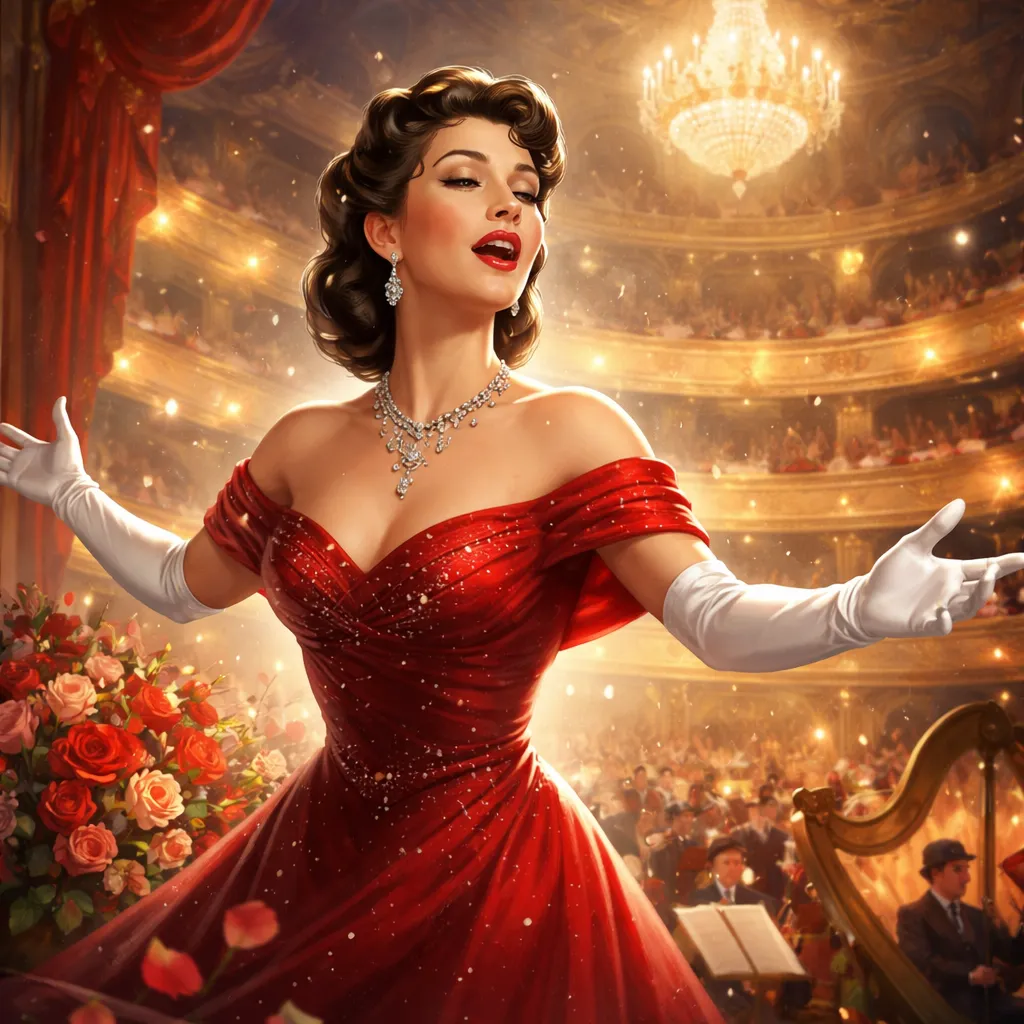

Introduction to Maria Callas
Maria Callas, born on December 2, 1923, in New York City, is widely regarded as one of the greatest opera singers of the 20th century. Her exceptional voice, dramatic intensity, and powerful stage presence made her an icon of classical music. Known for her wide vocal range and ability to express deep emotion, Callas revolutionized opera and became a symbol of artistic passion.
Her career spanned several decades, and she performed in some of the most prestigious opera houses around the world. Maria Callas was not only known for her technical skill but also for her ability to bring characters to life with profound depth. Her influence on the world of opera, both musically and theatrically, continues to inspire young performers today.
Early Life and Background
Maria Callas was born to Greek parents in New York City, though her family soon moved back to Greece. Raised in Athens, she showed an early interest in music. Her mother, a former singer, recognized her daughter's talent and encouraged her to pursue a career in music. Callas began her formal music education at the Athens Conservatory when she was just a teenager. She studied voice with renowned instructors, eventually becoming one of their most accomplished students.
Despite facing challenges in her early years, including being overweight as a child and criticized for her appearance, Callas was determined to succeed. She persevered through personal hardships, including the early death of her father, and continued to dedicate herself to her musical studies. At the age of 18, Callas earned her first major performance opportunity, performing in the Greek National Opera, which marked the start of her professional career.
Career Highlights and Achievements
Maria Callas’s rise to international fame was a result of both her technical brilliance and her dramatic interpretation of the roles she played. Her career breakthrough came in 1947, when she performed the role of Tosca at the Verona Arena in Italy. This performance was widely recognized as a major turning point in her career, as it introduced her to the opera world on a global scale.
Over the next two decades, Callas's voice and acting became synonymous with opera. She performed at world-renowned opera houses such as La Scala in Milan and the Metropolitan Opera in New York. Maria Callas’s repertoire included some of the most challenging and complex operatic roles, including the title roles in Norma, Carmen, and Traviata. Her powerful and expressive voice, combined with her dramatic intensity, set her apart from her contemporaries.
Throughout her career, Callas won numerous prestigious awards and accolades. She received the Légion d'Honneur in France and was named an honorary member of the Royal Academy of Music in London. Her recordings remain popular today, and her live performances are considered some of the finest examples of operatic artistry.
Famous Works or Performances
Maria Callas's career is filled with iconic performances that continue to resonate in the world of opera. Some of her most famous works include:
Tosca: One of Callas’s most famous roles, Tosca showcased her ability to portray intense emotional depth. Her performance in this opera made her famous for her vocal range and dramatic expression. La Traviata: Callas’s portrayal of Violetta in La Traviata is considered one of the best interpretations of the character ever performed. Her vocal delivery and emotional connection to the role made this one of her signature pieces. Norma: Perhaps one of her most challenging roles, Callas’s interpretation of Norma, the high priestess, is still celebrated today. This role demanded both technical vocal precision and intense emotional depth, both of which Callas masterfully delivered. Carmen: Callas’s performance as Carmen demonstrated her incredible vocal power and dramatic intensity. The role of the passionate and defiant Carmen allowed her to display her dynamic range as a performer. Madama Butterfly: Maria Callas’s rendition of Cio-Cio-San in Madama Butterfly is often regarded as one of the best. Her ability to embody the character’s fragility and strength made this performance unforgettable.
Maria Callas’s voice was known for its richness, flexibility, and expressiveness. Her ability to convey a range of emotions through music was unparalleled, making her performances timeless.
Personal Life and Fun Facts
Maria Callas’s life was filled with both triumph and tragedy. She was known not only for her extraordinary vocal talent but also for her personal struggles, which became part of her public image. Her tumultuous relationship with Greek shipping magnate Aristotle Onassis, which lasted for several years, was widely covered by the media. Despite her personal hardships, Callas continued to perform with unparalleled dedication.
In addition to her opera career, Callas had a great love for literature, theater, and the arts in general. She was an avid reader and often drew inspiration from plays and novels for her performances. Her interest in the dramatic arts helped her transform opera into a theatrical experience that went beyond just music.
Callas was also known for her strict discipline in her training. She would often rehearse for hours, focusing on perfecting every note and every gesture. Her commitment to her craft was evident in her impeccable performances, and she was known to expect the same level of perfection from her fellow performers.
Legacy and Influence
Maria Callas’s impact on the world of opera is immeasurable. She brought a new level of intensity and drama to operatic performances, making each performance not just a vocal performance but an emotional journey for both the singer and the audience. Her legacy continues to inspire opera singers, both technically and dramatically, and her recordings are still studied by students and professionals alike.
Her unique ability to convey emotion through her voice and her stunning stage presence revolutionized opera. She is often credited with elevating opera to new heights and inspiring future generations of performers. Today, many opera singers still look to Callas’s recordings as a source of inspiration, and her influence can be seen in the work of artists such as Renée Fleming and Anna Netrebko.
Maria Callas’s contribution to the arts goes beyond just her technical skill. She helped to shape the modern interpretation of opera, emphasizing the connection between voice, drama, and character. Her legacy is also marked by her dedication to her craft and her refusal to compromise on her artistic vision.
Quotes or Famous Sayings
Maria Callas was known for her passion and commitment to her art, and her words often reflect her deep love for music and performance. Here are a few of her memorable quotes:
“The more I sing, the more I am reminded of the power of music.” “I am not afraid to be heard. I believe in the power of my voice.” “An opera singer is like an athlete, always striving to reach their highest level of perfection.”
These quotes reflect Callas’s relentless pursuit of excellence and her belief in the transformative power of music.
How to Learn from Maria Callas
Maria Callas’s life offers many lessons that can inspire young people. Her dedication to her craft, her relentless pursuit of perfection, and her emotional depth are qualities that can be emulated. Whether it is her focus on vocal technique or her ability to connect emotionally with the audience, Callas’s approach to her art provides valuable lessons for anyone passionate about their craft.
For young people, her story teaches the importance of resilience and perseverance. Despite facing personal challenges and public scrutiny, Callas remained committed to her art and never compromised on her vision. This dedication is an important lesson for all who aspire to achieve greatness in any field.
Maria Callas’s life and work remind us that true success comes from not just talent but from the ability to connect with others, to create something beautiful, and to never give up, even in the face of adversity.
Maria Callas’s remarkable career continues to leave an indelible mark on the world of opera. Through her extraordinary voice and her passionate performances, she transformed opera into a dramatic experience that continues to inspire performers and audiences alike. Her legacy will forever remain as a testament to the power of music and the depth of the human spirit.