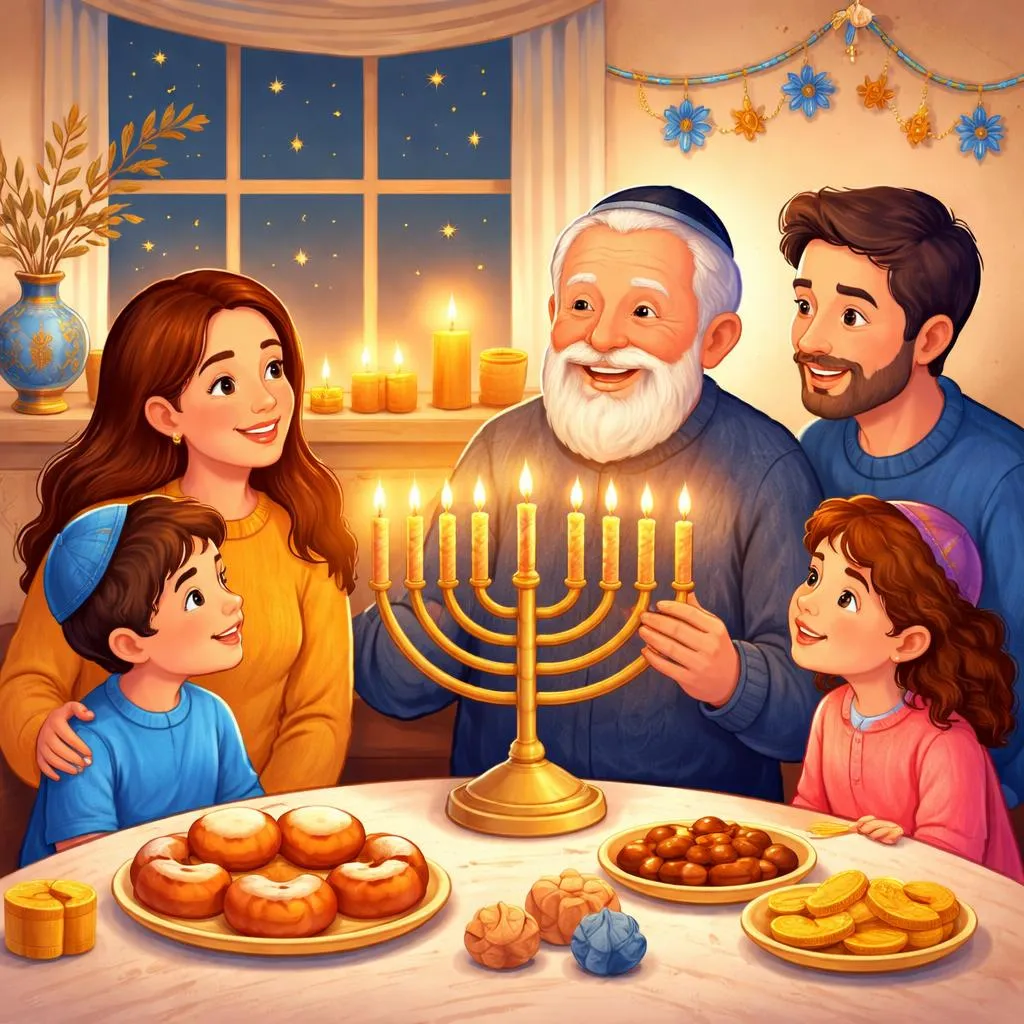

Chanukah is a holiday. It is also spelled Hanukkah.
Chanukah Chanukah is a phrase people use in songs and stories.
This holiday is celebrated by Jewish families. It usually happens in winter.
Learning about Chanukah helps children understand culture, history, and tradition.
This topic is gentle and meaningful. It focuses on light, family, and memory.
What Is Chanukah
Chanukah is a Jewish holiday. It lasts for eight nights.
It remembers an important event. This event happened long ago.
Chanukah is sometimes called the Festival of Lights.
Light is the main symbol. It represents hope and strength.
Why Chanukah Is Important
Chanukah remembers a struggle. It remembers keeping traditions alive.
People wanted to protect their beliefs. They stayed strong.
This story teaches resilience. It teaches faith and identity.
For children, Chanukah shows how traditions matter.
The Meaning of Chanukah Chanukah
Chanukah Chanukah often appears in songs. It sounds joyful.
Repeating the word feels playful. It adds rhythm.
Children hear this phrase often. It helps memory.
The repetition creates warmth. It invites celebration.
When Chanukah Is Celebrated
Chanukah happens in winter. The exact date changes each year.
It follows the Hebrew calendar. This calendar is different.
Chanukah often falls in December. Sometimes it starts earlier.
Families prepare in advance. Anticipation builds excitement.
The Story Behind Chanukah
Long ago, a group wanted to stop Jewish traditions.
People fought to protect their way of life. They wanted freedom.
After victory, they returned to a holy place.
There was little oil for a lamp. Only enough for one night.
But the light lasted eight nights. This is the miracle of Chanukah.
Light as a Symbol
Light is central to Chanukah. It represents hope.
One small light can grow. It can become many lights.
This teaches an idea. Small actions matter.
Children understand light easily. It feels positive and safe.
The Menorah
A menorah is a special candle holder. It holds nine candles.
Eight candles represent eight nights. One candle helps light the others.
This helper candle is special. It is called the shamash.
Lighting the menorah is the heart of Chanukah.
Lighting the Candles
One candle is lit the first night. Each night adds another.
By the last night, all candles shine.
Families light candles together. They watch the light grow.
This routine feels calm. It creates connection.
Chanukah and Family Time
Chanukah is about family. People gather.
They talk. They share stories.
Children ask questions. Adults explain traditions.
This sharing builds memory. Memory builds identity.
Chanukah Songs
Songs are part of Chanukah. They are joyful.
Many songs repeat words. Chanukah Chanukah appears often.
Songs help children remember. They add fun.
Music creates warmth. Warmth supports learning.
Chanukah Food Traditions
Food is important during Chanukah. Many foods are fried.
Oil is symbolic. It reminds people of the miracle.
Potato pancakes are common. They are called latkes.
Jelly donuts are popular too. They feel festive.
Food connects tradition to taste. Taste supports memory.
Chanukah Games
Games are played during Chanukah. They bring joy.
A spinning top game is common. It is called a dreidel.
The dreidel has letters. Each letter has meaning.
Children enjoy playing. Learning feels playful.
The Dreidel Letters
The dreidel has four letters. They come from Hebrew.
The letters stand for a phrase. It means a great miracle happened there.
This connects play to story. Story builds understanding.
Games help children learn naturally. Fun reduces pressure.
Chanukah Gifts
Some families give gifts. Others give small treats.
Gifts are often simple. They focus on joy.
Giving teaches kindness. Kindness matters.
Chanukah is not about big gifts. It is about meaning.
Chanukah and Community
Chanukah is shared in communities. Public candle lightings happen.
People gather together. They celebrate openly.
This shows pride. It shows belonging.
Children see community strength. Strength builds confidence.
Chanukah Vocabulary for Beginners
Chanukah has special words. These words are cultural.
Menorah is one word. Dreidel is another.
Learning vocabulary builds awareness. Awareness supports respect.
These words connect language to culture. Culture matters.
Chanukah and Language Learning
Learning about holidays helps language. It gives context.
Words connect to stories. Stories connect to meaning.
Meaning supports memory. Memory supports learning.
Chanukah is a gentle topic. It suits beginners.
Chanukah and Respect
Learning about Chanukah teaches respect. Different traditions exist.
Understanding reduces fear. Knowledge builds empathy.
Children learn that holidays differ. Difference is normal.
Respect is an important lesson. Chanukah supports this.
Chanukah and Light in Winter
Winter feels dark. Chanukah brings light.
Candles glow softly. They change the mood.
Light feels comforting. Comfort supports calm.
This seasonal timing matters. It adds emotional meaning.
Chanukah Stories for Children
Many stories explain Chanukah. They are simple.
Stories focus on courage. They focus on hope.
Children enjoy listening. Listening builds imagination.
Stories help values grow. Values guide behavior.
Chanukah Symbols
Symbols help learning. They are visual.
Candles are symbols. Oil is a symbol.
The dreidel is a symbol. Light is a symbol.
Symbols make ideas clear. Clear ideas last longer.
Chanukah and Daily Routine
Each night has a routine. Light candles.
Say blessings. Watch the light.
Routine feels safe. Safety supports learning.
Repeating actions builds memory. Memory creates tradition.
Chanukah and Emotional Learning
Chanukah teaches patience. Candles are lit slowly.
It teaches reflection. People pause.
This calm moment matters. It balances busy life.
Children learn to slow down. Slowing down helps focus.
Chanukah and Cultural Awareness
Learning about Chanukah opens cultural doors.
It shows history. It shows belief.
Understanding one holiday helps understand others.
Cultural awareness builds global thinking. Global thinking matters today.
Chanukah and School Learning
Schools teach about Chanukah. It appears in lessons.
Teachers explain gently. They focus on values.
Children ask questions. Curiosity grows.
This supports inclusive learning. Inclusion builds understanding.
Chanukah and Identity
For Jewish children, Chanukah supports identity.
For others, it builds awareness.
Identity and respect grow together. Both matter.
Learning about Chanukah supports positive self-image.
Chanukah and Sharing Stories
Families share stories. Stories repeat each year.
Repetition builds tradition. Tradition builds belonging.
Children remember these moments. They carry them forward.
Stories shape memory. Memory shapes identity.
Chanukah and Simple Joy
Chanukah is not loud. It is gentle.
Small lights. Soft songs.
Quiet joy matters. It feels warm.
This kind of celebration teaches appreciation.
Chanukah in the Modern World
Chanukah is celebrated today. Traditions continue.
Families adapt customs. Meaning stays.
Modern life changes details. Core values remain.
Chanukah grows with people. It stays relevant.
Chanukah and Togetherness
Togetherness is central. People gather.
Sharing light feels powerful. It connects hearts.
This feeling is important. It stays long after the holiday.
Togetherness supports emotional health. It builds bonds.
Chanukah as a Learning Moment
Chanukah teaches many lessons. Light matters.
Hope matters. Tradition matters.
These lessons are simple. They are strong.
Learning through holidays feels natural. It blends culture and language.
Chanukah and Gentle Teaching
Chanukah suits gentle teaching. No pressure.
Stories guide learning. Symbols support meaning.
This approach helps children. It supports beginners.
Learning feels safe. Safety supports curiosity.
Chanukah Chanukah as a Warm Phrase
Chanukah Chanukah sounds friendly. It feels musical.
Repeating the word makes it memorable.
Children enjoy saying it. Joy supports learning.
This phrase invites celebration. It opens conversation.
Chanukah Chanukah is more than words. It represents light, memory, and tradition.
Through candles, stories, and family time, Chanukah teaches values in a gentle, meaningful way.
Learning about Chanukah helps children understand culture, respect differences, and appreciate the power of light in both history and everyday life.