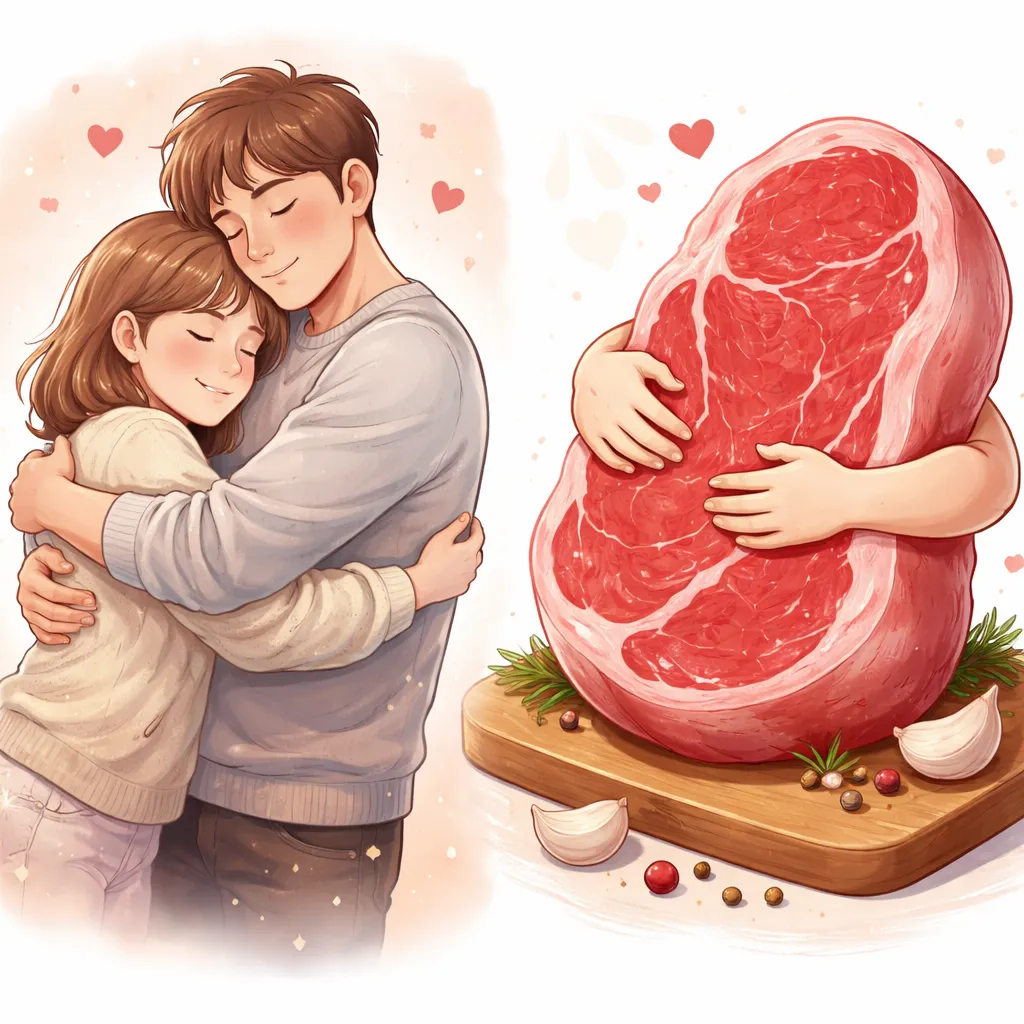

Children love soft blankets. They also love tender chicken. Parents often hear kids say, “This pillow is soft.” Or “The meat is tender.” But are these two words the same? Can we always use one instead of the other? This article helps families explore the words “soft and tender” together. We will compare them with similar words. We will see which one fits a kitten’s fur and which one fits a loving touch. Let us help your child describe gentleness and texture with more feeling.
Are Similar Words Really Interchangeable? Many English words describe things that are not hard or tough. But they each carry different meanings. “Soft” and “tender” both describe pleasant, gentle qualities. Yet we use them in different situations. A soft voice is quiet. A tender voice is full of care. You can sometimes swap them, but the feeling changes. For example, soft skin feels smooth. Tender skin hurts when touched. So similar words are not always interchangeable. Parents can show this with real objects. Point to a soft stuffed animal. Then point to a tender bruise. Ask your child: “Can I call the stuffed animal tender?” The answer is no, because tenderness often involves pain or care, not just texture. Teaching these small differences builds a strong vocabulary.
Set 1: Soft vs Tender — Which One Is More Common? “Soft” appears much more often in daily English. We say soft bed, soft light, soft drink, soft heart. “Tender” appears less frequently. People say tender meat, tender loving care, tender age, tender spot. In children’s books, “soft” dominates. Think of soft bunnies and soft clouds. “Tender” shows up in stories about feelings or cooking. Look at Google Ngram. “Soft” has always been far more common. For young learners, teach “soft” first. Use it for touch, sound, and light. Save “tender” for food, feelings, or sore spots. This order helps kids speak naturally.
Set 2: Soft vs Tender — Same Meaning, Different Contexts Both words mean “gentle and easy to press or chew.” But context separates them. “Soft” focuses on texture and give. A soft pillow sinks under your head. Soft cheese spreads easily. “Tender” focuses on being easy to cut or chew, or being full of care. Tender steak cuts with a fork. A tender hug shows love. You can have a soft pillow that is not tender. Pillows do not get tender. You can have tender meat that is not soft. Raw meat can be tender but still firm. So one word is about physical softness. The other word is about care or easy chewing. Tell your child: “Soft is how it feels when you squeeze. Tender is how it cuts or how someone treats you.”
Set 3: Soft vs Tender — Which Word Is “Bigger” or More Emphatic? “Tender” often feels more emotional and specific. A tender moment stays in your memory. Tender loving care heals. “Soft” feels more general and physical. Soft music plays quietly. Soft sand feels nice. So “tender” carries emotional weight and precision. “Soft” carries comfort but less depth. For children, explain this way: “Soft describes things that are not hard. Tender describes things that need care or show love.” A soft toy is nice. A tender hug from mom is special. This helps kids understand that “tender” often connects to feelings. “Soft” connects to texture and senses.
Set 4: Soft vs Tender — Concrete vs Abstract Both words work concretely and abstractly. Concrete “soft”: soft fur, soft bread, soft carpet. Abstract “soft”: soft heart (kind), soft landing (easy), soft skills (people skills). Concrete “tender”: tender meat, tender skin (sore), tender plant shoot. Abstract “tender”: tender feelings, tender age (young), tender care. However, abstract “tender” almost always involves love, youth, or vulnerability. Abstract “soft” can mean easy or weak. A soft market means low prices. A tender heart means easily moved to love. For children, start with concrete meanings. Show soft cotton. Show tender cooked chicken. Later, introduce abstract uses through stories. Explain that a “soft voice” is quiet. A “tender heart” cares about others.
Set 5: Soft vs Tender — Verb or Noun? First Understand the Role Both words are primarily adjectives. “Soft” is rarely a verb. “Soften” is the verb. “Tender” can be a verb meaning to offer. “I tender my resignation.” That is very formal. As a noun, “tender” means a train car or a boat. Or a legal offer. For young children, focus on adjectives. “This blanket is soft.” “This meat is tender.” Later, teach the verb “soften.” “The butter will soften at room temperature.” Teach “tender” as a noun only if your child loves trains. “The tender carries coal.” This is advanced. Keep it simple for safety and clarity. Say “soft” for texture. Say “tender” for food or feelings.
Set 6: Soft vs Tender — American English vs British English Both words work similarly in American and British English. However, small differences exist. In the UK, “tender” as a verb (to offer) is more common in business. In the US, “tender” as a noun for money is legal. “Legal tender” means official money. In the US, “soft” for drinks means non-alcoholic. “Soft drink” is soda. Britons say “fizzy drink” more often. For children, these differences are minor. Teach the core meanings. If your child watches British cooking shows, they will hear “tender” for vegetables often. American shows use “tender” for steak. A family activity: watch a US cooking show and a UK one. Listen for “soft” and “tender.” Compare how chefs use them for food.
Set 7: Soft vs Tender — Which Fits Formal Situations? Both words work in formal and informal settings. “Soft” appears in science and design. “Soft materials reduce impact.” “Tender” appears in cooking, medicine, and law. “Tender point in a medical exam.” “Tender offer in business.” For school reports, “soft” is safer for general description. “Tender” sounds more advanced. Teach your child this rule: “Use soft for texture and sound. Use tender for food doneness or gentle feelings.” In a science report about fabrics, “soft” is correct. In a cooking report about steak, “tender” is perfect. This helps kids learn register. They understand that word choice depends on the subject.
Set 8: Soft vs Tender — Which One Is Easier for Kids to Remember? “Soft” is easier for young children. Why? Because it has one syllable. It sounds like “loft” or “cough.” Children learn “soft” early from touching pillows and stuffed animals. “Tender” has two syllables. The “ten” sound is like “ten.” The “der” ending is simple but adds a step. A three-year-old can say “soft” clearly. That same child may say “tender” as “ten-der.” So start with “soft.” Use it for all gentle textures and quiet sounds. Introduce “tender” around age five or six. Use real examples. Tender cooked carrots. A tender hug from a parent. Tender skin after a fall. Let them connect the word to care and food. Then say “tender.” This sensory and emotional learning works better than definitions.
Mini Exercise: Can You Spot the Differences Between These Similar Words? Read each sentence with your child. Choose “soft” or “tender.” Answers below.
This chicken is so _______ it falls off the bone.
The kitten’s fur felt _______ and warm.
My arm is still _______ where I bumped it yesterday.
She gave me a _______ smile full of love.
Please speak in a _______ voice so the baby sleeps.
Bonus question: Is this sentence correct? “The tender pillow helped me sleep.” Why or why not?
Answers: 1. tender, 2. soft, 3. tender, 4. tender, 5. soft. Bonus: Unusual but not wrong. Pillows are usually “soft,” not “tender.” “Tender” for pillows suggests they are emotionally comforting or very gentle. Most native speakers say “soft pillow.”
Talk about each answer. Ask your child which sentences describe food. Which describe feelings or sore spots. Which describe texture. This discussion builds layered understanding. Do the exercise again with real objects. A marshmallow? Soft. A cooked noodle? Tender. A teddy bear? Soft. A bruise? Tender.
Parent Tips: How to Help Kids Learn and Remember Similar Words You can teach “soft and tender” during daily moments. Breakfast time: “This bread is soft. This scrambled egg is tender.” Bedtime: “Your pillow is soft. My goodnight kiss is tender.” Playtime: “The stuffed bunny is soft. Be tender with the baby doll.” Mealtime: “This meat is tender. This mashed potato is soft.” Use your body. Squeeze a pillow to show soft. Give a gentle pat to show tender. Say the words as you move. Play the “Soft or Tender” sorting game. Gather ten objects. A marshmallow? Soft. A cooked carrot? Tender. A blanket? Soft. A bandage on a sore spot? Tender. A stuffed animal? Soft. A loving note? Tender (abstract). Ask your child to explain each choice. Do not correct mistakes harshly. Instead, ask “Does this feel squishy? That is soft. Is this easy to chew or full of care? That is tender.” This gentle guidance works better than rules. Read books about feelings and textures. “The Tender Lion” or “Soft and Tender” stories. Pause on each page. Ask “Is this soft or tender? Why?” Keep a texture and feeling journal. Draw one soft thing and one tender thing each week. Label them. Review old entries. Praise specific observations. “You noticed that a hug can be tender even if arms are not soft. Wonderful.” This positive feedback builds a caring and observant child. Your child will soon feel softness and tenderness everywhere. They will also understand the difference between physical softness and emotional care. That is a beautiful skill for a young learner. Keep exploring words together. Every touch, every meal, every hug offers a new chance to learn about softness and tenderness.