
What is the rhyme?
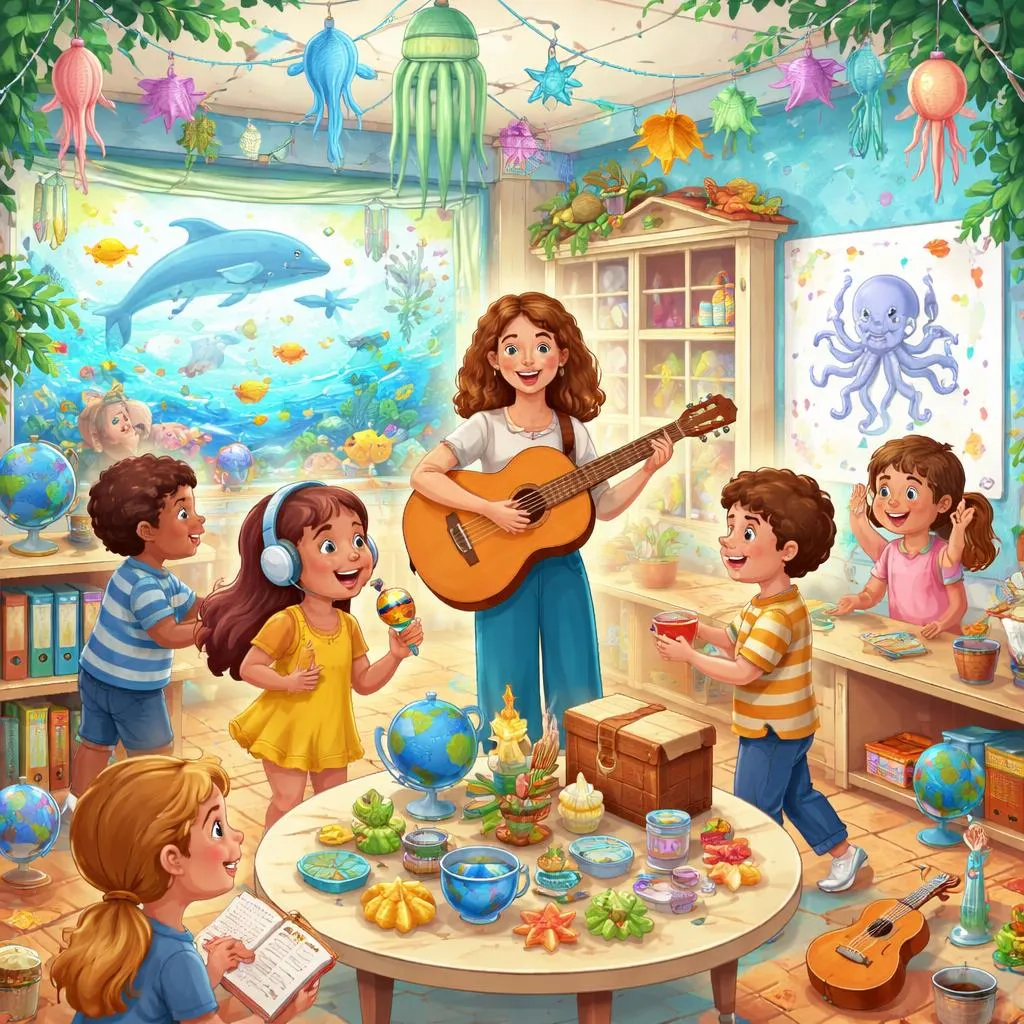
In early English education, songs help create emotional connection. Songs with clear images also support understanding. One popular theme appears in underneath the sea lyrics.
This type of rhyme invites listeners into the ocean world. Fish swim freely. Plants move gently. Life feels colorful and calm.
From a teacher’s perspective, underneath the sea lyrics combine imagination with structure. The song usually follows a steady rhythm. The words repeat often.
This makes the rhyme easy to follow. It also makes it suitable for classroom teaching.
The ocean setting feels exciting. At the same time, it feels peaceful. This balance supports focus and enjoyment.
The lyrics of nursery rhymes
Ocean-themed nursery rhymes often share similar language patterns. They describe life under the sea in simple lines.
A classroom-friendly example style may sound like this.
Underneath the sea, so blue and wide, Little fish swim side by side. Waving plants and coral bright, Dancing gently in the light.
These underneath the sea lyrics use short sentences. They focus on clear images. They avoid complex grammar.
In class, reading the lyrics aloud comes first. The rhythm helps guide pronunciation.
Singing follows naturally once the meaning feels clear. Repetition supports memory and confidence.
Vocabulary learning
Ocean songs introduce rich vocabulary in a friendly way. Many words describe nature and movement.
Words like sea, fish, and plants appear often. These nouns feel concrete and visual.
Action words also appear. Swim. Dance. Wave.
These verbs connect language with movement. They support acting and gesture-based learning.
Adjectives add detail. Blue sea. Bright coral.
Through underneath the sea lyrics, vocabulary appears in context. Words feel alive, not isolated.
This approach supports deeper understanding.
Phonics points
Phonics learning fits naturally into rhythmic songs. Ocean-themed rhymes often include clear sound patterns.
The word sea highlights the long “ee” sound. Swim shows a short vowel sound.
Wide and side form a clear rhyme pair. Bright and light do the same.
Listening to these sounds builds awareness. Repeating them builds pronunciation confidence.
Teachers often stretch vowel sounds gently. Sea becomes seeee. Wide becomes wiiiide.
Music supports sound recognition. Phonics learning feels smooth and natural.
Grammar patterns
Although playful, underneath the sea lyrics include real grammar. Most sentences use the present tense.
Fish swim. Plants wave.
These sentences show subject and verb clearly. They support early sentence structure understanding.
Prepositions appear often. Under the sea. In the light.
These phrases help explain place. They also support basic grammar awareness.
Because the patterns repeat, understanding grows naturally. No long explanation is required.
Learning activities
Learning activities help turn songs into full lessons. Ocean-themed rhymes support many classroom ideas.
Movement activities work very well. Arms move like swimming fish. Hands wave like sea plants.
Drawing activities support comprehension. A picture of the sea shows understanding.
Role play adds imagination. One learner becomes a fish. Others describe actions.
Story extension activities also fit. What lives under the sea next?
Through these activities, underneath the sea lyrics become interactive learning experiences.
Printable materials
Printable resources help organize learning. For ocean rhymes, visuals are especially helpful.
Picture cards can show fish, plants, and coral. These images support vocabulary learning.
Lyric sheets with large text help early readers. Repeated words can appear in bold.
Coloring pages encourage calm focus. They also strengthen word-image connections.
Word cards help with sentence building. Fish swim. Plants wave.
Printable materials support review at home. They keep learning consistent and gentle.
Educational games
Games bring energy and joy to song-based lessons. With underneath the sea lyrics, games stay imaginative.
A listening game works well. The teacher sings one line. The class finishes the next line.
A matching game also fits. Match words to ocean pictures.
Movement games support focus. Swim when the word sea appears. Freeze when the song stops.
These games encourage participation. They also reduce pressure.
Learning feels playful and shared.
Using the rhyme in ocean-themed lessons
This rhyme connects easily with nature topics. Ocean lessons appear often in early education.
Science lessons talk about sea animals. English lessons name and describe them.
Art lessons include drawing sea scenes. Music lessons explore rhythm and sound.
By returning to underneath the sea lyrics, familiarity grows. Each return deepens understanding.
Language learning becomes layered and meaningful.
Supporting imagination and emotional connection
Ocean imagery often feels calming. Calm supports focus and openness to learning.
Through underneath the sea lyrics, imagination stays active. Learners picture a new world.
This emotional connection matters. Language links with feeling and curiosity.
Teachers guide gently. What colors are under the sea?
Simple questions invite expression. English becomes a tool for sharing ideas.
Classroom routines with ocean songs
Songs often support classroom routines. Ocean rhymes work well during calm moments.
They fit circle time. They fit transition periods.
The steady rhythm signals listening time. The familiar melody brings comfort.
Over time, underneath the sea lyrics become part of classroom culture. They create a safe and predictable learning space.
Language learning feels secure and enjoyable.
Supporting different learning styles
Different learners respond to different approaches. This rhyme supports many styles.
Visual learners enjoy ocean pictures. Auditory learners enjoy melody and repetition.
Kinesthetic learners enjoy movement activities. They swim and wave while learning.
Because the lyrics stay simple, focus remains strong. No one feels overwhelmed.
This balance supports inclusive teaching.
Building confidence through repetition and rhythm
Confidence grows through repeated success. Songs offer that repetition naturally.
With underneath the sea lyrics, the same patterns appear again and again. Familiarity builds comfort.
Learners begin to sing clearly. Pronunciation improves without pressure.
Language use feels natural. Confidence grows quietly but steadily.
Extending learning beyond the classroom
Ocean songs often continue outside school. Books and videos reinforce the theme.
Families may sing the song together. This repetition strengthens memory.
Simple questions support practice. What swims under the sea?
These questions mirror classroom language. They keep English active in daily life.
A gentle and inspiring journey into English through ocean songs
Underneath the sea lyrics offer more than a melody. They open a window into imagination, nature, and language.
Through rhythm, repetition, and clear imagery, English becomes approachable. Words connect with pictures and movement.
In a supportive classroom, ocean-themed songs become trusted teaching tools. They encourage listening, speaking, and creativity.
With thoughtful guidance, these lyrics stay in memory. Like waves beneath the sea, language learning continues to flow, calm and strong.