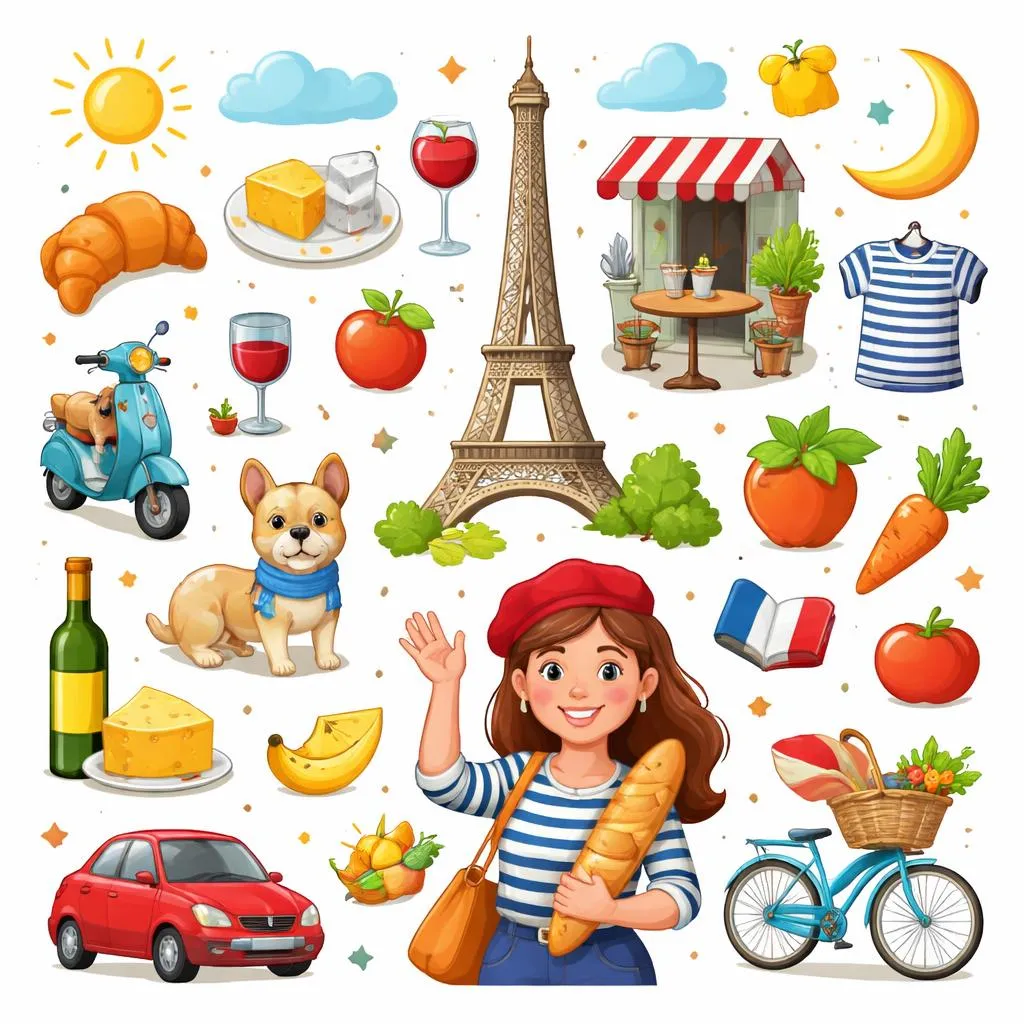

French French words are the building blocks of French. They appear in daily speech. They appear in books. They appear in songs.
Learning French words early helps beginners feel comfortable. Comfort supports confidence. Confidence supports progress.
This topic focuses on French words used in French, simple, common, and useful for beginners.
What Are French French Words
French French words are words used in the French language.
They name things. They describe ideas. They show actions.
Bonjour is a French word. Merci is a French word.
These words are familiar. Familiar words feel friendly.
Why French Words Matter
Words carry meaning. Meaning builds understanding.
Without words, communication stops.
Learning common French words helps learners understand messages and express simple ideas.
Simple language creates early success.
Common French Greeting Words
Greetings come first.
Bonjour Salut
Bonsoir Au revoir
These words appear daily. They open conversations.
Using greetings feels polite and natural.
French Polite Words
Polite words matter.
Merci Merci beaucoup
S’il vous plaît Pardon
Polite language builds connection.
Connection supports communication.
French Words for People
People words are important.
Homme Femme
Ami Amie
Enfant Famille
These words describe relationships. Relationships feel personal.
Personal words increase motivation.
French Words for Daily Objects
Objects appear everywhere.
Livre Table
Chaise Porte
Maison École
Naming objects supports daily conversation.
Pointing and naming helps memory.
French Words for Food
Food words feel familiar.
Pain Fromage
Eau Lait
Pomme Riz
Food appears daily. Daily exposure supports learning.
French Words for Places
Place words guide direction.
Maison École
Ville Rue
Magasin Parc
Place words support daily interaction.
French Words for Feelings
Feelings need words.
Heureux Triste
Fatigué Content
Feeling words support emotional expression.
Expression builds confidence.
French Words for Colors
Colors add detail.
Rouge Bleu
Vert Jaune
Noir Blanc
Colors appear often. They support description.
French Words for Numbers
Numbers are useful.
Un Deux
Trois Quatre
Cinq Dix
Numbers appear in time, price, and age.
French Words for Time
Time words guide routines.
Aujourd’hui Demain
Hier Maintenant
Temps words support planning.
French Words for Actions
Action words describe movement.
Aller Venir
Manger Boire
Parler Écouter
Action words make sentences active.
French Words and Gender Awareness
French nouns have gender.
Livre is masculine. Table is feminine.
Gender matters in French. Learning words includes gender.
This feels new at first. Practice helps understanding.
French Words and Articles
Articles appear before nouns.
Le La
Un Une
Articles change with gender. Words and articles work together.
French Words in Simple Sentences
Simple sentences feel clear.
Bonjour, je suis ici. Merci beaucoup.
Short sentences build confidence.
Confidence supports speaking.
French Words and Pronunciation
Pronunciation matters.
French sounds feel soft. Some letters are silent.
Listening helps learning. Repeating helps more.
Sound awareness supports comprehension.
French Words and Listening Practice
Listening builds recognition.
Hearing words often makes them familiar.
Familiar words are easier to understand.
Understanding reduces stress.
French Words and Reading Practice
Reading shows words in context.
Stories repeat words. Repetition builds memory.
Seeing words used naturally supports retention.
French Words and Writing Practice
Writing slows thinking.
Learners notice spelling. They notice accents.
Writing words supports accuracy.
Accuracy builds confidence.
French Words and Pictures
Pictures help learning.
See the image. Say the word.
Visual support strengthens memory.
This is helpful for beginners.
French Words and Songs
Songs repeat words.
Music supports rhythm. Rhythm supports recall.
Singing feels playful. Playful learning lasts longer.
French Words and Games
Games reduce pressure.
Matching games. Guessing games.
Games invite repetition. Repetition supports learning.
French Words and Daily Use
Daily use matters.
Say greetings daily. Name objects daily.
Small use builds habit. Habit builds skill.
French Words and Child Learners
Children enjoy sound.
French words sound musical. Music attracts attention.
Play supports learning. Learning feels safe.
French Words and Adult Learners
Adults value usefulness.
French words help travel. They help communication.
Practical language reduces frustration.
French Words and Vocabulary Growth
One word leads to more.
Bonjour leads to conversation. Merci leads to politeness.
Vocabulary grows step by step. Small steps last longer.
French Words and Memory
Memory needs repetition.
Seeing words. Hearing words.
Saying words. Writing words.
Multiple exposure strengthens recall.
French Words and Language Confidence
Confidence grows with success.
Knowing words feels rewarding.
Using words feels empowering.
Empowerment supports progress.
French Words and Cultural Awareness
French words carry culture.
Food words reflect life. Greeting words show manners.
Language and culture connect. Connection deepens learning.
French Words and Long-Term Learning
Words stay useful.
They return often. They build sentences.
Strong word knowledge supports grammar later.
French French Words as a Learning Base
French French words create a foundation.
They support listening. They support speaking.
They support reading. They support writing.
By learning common French words, beginners build confidence, clarity, and comfort, creating a strong start for long-term French language learning in a gentle, natural, and enjoyable way.French Words and Sound Awareness
French words sound smooth. The rhythm feels soft.
Some letters are silent. This feels new.
Listening carefully helps. Hearing comes before speaking.
Sound awareness supports pronunciation confidence.
French Words and Letter Patterns
French spelling shows patterns.
Many words end in e. Many words use vowels.
Patterns repeat often. Repetition helps memory.
Seeing patterns reduces confusion.
French Words and Cognates
Some French words look like English words.
Restaurant Information
Animal Culture
These are cognates. They help understanding.
Recognizing them builds confidence quickly.
French Words and False Friends
Some words look similar but mean something else.
Actuellement Librairie
Learning meaning carefully prevents mistakes.
Awareness matters. It supports accuracy.
French Words and Daily Routines
Daily routines use words.
Bonjour le matin. Merci in shops.
Using words daily builds habit.
Habit makes learning natural.
French Words and Polite Tone
Tone matters in French.
Polite words sound gentle. They soften speech.
Using polite words shows respect.
Respect supports communication.
French Words and Classroom Language
Classroom French uses simple words.
Écoutez Regardez
Répétez Écrivez
Instruction words appear often.
Understanding them supports learning flow.
French Words and Simple Questions
Questions need key words.
Où Quand
Qui Pourquoi
Question words invite conversation.
Conversation builds confidence.
French Words and Sentence Flow
Sentence flow matters.
French words link smoothly. They feel connected.
Learning phrases, not just single words, helps fluency.
Fluency grows naturally.
French Words and Articles Together
Words rarely stand alone.
Le livre La table
Articles guide meaning. They show gender.
Seeing word pairs supports accuracy.
French Words and Adjective Position
Adjectives often follow nouns.
Une maison blanche Un chat noir
This feels different from English. Practice helps.
Understanding order supports sentence building.
French Words and Emotional Expression
Emotions need words.
Content Fatigué
Heureux Triste
Using feeling words supports self-expression.
Expression builds connection.
French Words and Story Language
Stories repeat words.
Simple stories use common vocabulary.
Repetition supports recall. Recall builds confidence.
French Words and Listening Speed
At first, French sounds fast.
With exposure, words separate.
The ear adjusts. Understanding improves.
French Words and Visual Support
Visual support helps.
Pictures anchor meaning. Words follow.
This supports beginners strongly.
French Words and Memory Strategies
Memory needs support.
Say the word. Write the word.
Hear the word. See the word.
Multiple pathways strengthen retention.
French Words and Practice Rhythm
Short practice works best.
A few words daily. Regular exposure.
Consistency matters more than speed.
French Words and Learning Comfort
Comfort reduces fear.
French words feel musical. Music feels friendly.
Friendly language encourages use.
French Words and Confidence Growth
Confidence grows quietly.
Recognizing words. Understanding phrases.
Small wins matter. They motivate learners.
French Words and Long-Term Awareness
Over time, words feel familiar.
They return in many contexts. Recognition becomes automatic.
Automatic recognition supports fluency.
French French words continue to support learning long after the first lesson.
They guide listening. They guide speaking.
They guide reading. They guide writing.
With steady exposure, clear examples, and patient practice, French words become familiar tools that help learners communicate comfortably and confidently in everyday French.