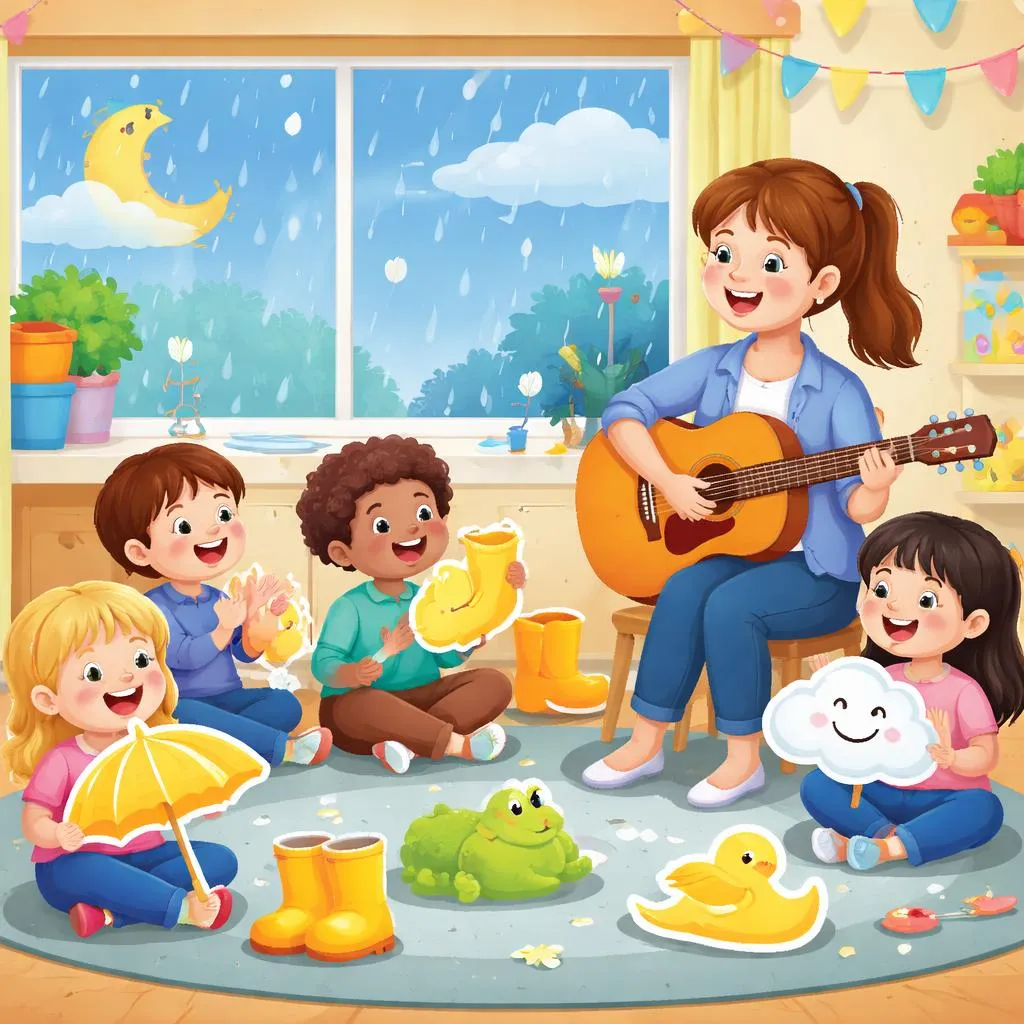

Songs have always held a special place in early English learning. In the classroom, melodies help language feel warm and memorable. One traditional rhyme often shared during weather lessons is connected to the lyrics for it's raining it's pouring. This familiar song brings rhythm, simple words, and playful meaning into English lessons.
From a teacher’s point of view, nursery rhymes like this one support listening skills, pronunciation, and early reading. Parents and teachers can also enjoy how easily this rhyme fits into daily routines. Short lines and repeated sounds make learning feel natural.
This article explores the rhyme in a gentle, guided way. The goal stays focused on helping English grow through music, stories, and shared moments.
What Is the Rhyme “It’s Raining, It’s Pouring”?
“It’s Raining, It’s Pouring” is a traditional English nursery rhyme. The song talks about rain, sleep, and a playful character called the old man. The story sounds simple, yet it sparks imagination and curiosity.
In early classrooms, this rhyme often appears during weather lessons or song time. The steady rhythm helps young learners follow along. The melody feels calm and easy to remember.
Because this rhyme has been shared for many generations, it feels familiar and comforting. That feeling helps language learning feel safe and enjoyable.
The Lyrics for It's Raining It's Pouring
Here are the traditional lyrics for it's raining it's pouring, often used in classrooms and learning materials.
It’s raining, it’s pouring, The old man is snoring. He went to bed And bumped his head And couldn’t get up in the morning.
These short lines make the rhyme easy to remember. Each sentence carries clear meaning. Teachers often repeat the rhyme slowly to help children hear each word.
Singing together allows natural practice with pronunciation and rhythm. Listening first and joining in later works well in group learning.
Vocabulary Learning Through the Rhyme
Nursery rhymes introduce vocabulary in a friendly way. The words in this song are simple and useful.
Words like raining and pouring connect to weather lessons. These words help describe the world outside the classroom window. Watching rain while singing strengthens understanding.
The word old introduces age-related vocabulary. Man helps describe people. Snoring introduces a fun action word that often brings laughter.
Went, bed, head, and morning are everyday words. These words appear often in early reading books. Hearing them in a song helps recognition later.
From a teaching perspective, vocabulary sticks better when linked to sound and story. The rhyme creates that connection naturally.
Phonics Points in “It’s Raining, It’s Pouring”
Phonics learning becomes smoother with songs. This rhyme offers many sound patterns worth noticing.
The repeating “-ing” sound in raining, pouring, and snoring supports early phonics awareness. Hearing the same ending helps learners notice patterns in English.
Rhyming words like bed and head support sound matching skills. Rhymes help children predict sounds and build reading confidence.
The clear beat of the song supports syllable awareness. Clapping along with each word or line makes sounds easier to feel and remember.
Teachers often slow the song down to highlight sounds. Singing faster later adds fun and challenge.
Grammar Patterns Inside the Rhyme
Even simple songs carry grammar lessons. This rhyme includes basic sentence structures that appear often in spoken English.
The phrase “It’s raining” introduces the structure “It is.” This pattern appears in many weather expressions. Learning it through song makes it feel natural.
Past tense appears in “went to bed” and “bumped his head.” These examples show actions that already happened. No long explanation is needed. Hearing the pattern is enough at this stage.
Negative meaning appears in “couldn’t get up.” This line introduces couldn’t as a contraction of could not. Songs help contractions sound familiar.
From a classroom view, grammar learned through music feels lighter and more memorable.
Daily Life Connections and Story Meaning
Although the rhyme feels playful, it still connects to real life. Rainy days often change routines. Talking about rain helps link language to experience.
The story of the old man adds humor. Bumping a head sounds silly, yet it helps children understand cause and effect. He went to bed, something happened, and the morning changed.
Teachers often pause to talk about the story. Questions like “What happened?” or “Why couldn’t he get up?” support comprehension without pressure.
Stories inside songs invite imagination. Imagination supports language growth.
Learning Activities Using the Rhyme
Activities help bring the lyrics to life. Simple actions work best with young learners.
Singing with actions adds movement. Pretending to sleep, snore, or bump a head makes meaning clear. Movement supports memory.
Drawing activities also work well. Drawing rain, a bed, or the old man connects art with language.
Story sequencing helps comprehension. Talking about what happens first and next builds narrative skills.
In class, repeating the rhyme daily for a short time builds confidence. Familiar songs create comfort and routine.
Printable Materials for Classroom and Home
Printable resources support practice beyond singing. A lyric sheet with large text helps early reading.
Picture cards showing rain, bed, and morning help match words with meaning. These cards can be used for matching or storytelling.
Coloring pages based on the rhyme add calm practice time. Coloring while listening to the song supports focus.
Parents often enjoy using these materials at home. Singing together builds connection and shared learning moments.
Educational Games Inspired by the Song
Games add joy to learning. The rhyme offers many playful options.
A listening game works well. Playing the song and pausing allows guessing the next line. This builds listening skills.
A sound game focuses on rhymes. Saying bed and asking for head helps sound awareness.
A weather game connects the song to real life. Talking about rainy or sunny days builds vocabulary beyond the rhyme.
Teachers value games because they lower stress. Learning feels like play.
Supporting Parents and Teachers Through Music
Songs support learning in many settings. In classrooms, they create structure and calm. At home, they offer shared language time.
Singing does not require perfect pronunciation. Enjoyment matters more. Children learn through listening and repeating naturally.
Repeating familiar rhymes builds confidence. Confidence supports speaking and listening growth.
Teachers often choose traditional rhymes because they feel timeless. Parents often recognize them from childhood. That shared familiarity builds connection.
Music creates a bridge between generations and languages.
Building Early English Confidence with Nursery Rhymes
Nursery rhymes introduce English gently. Short lines, strong rhythm, and clear meaning support early success.
The lyrics for it's raining it's pouring show how much learning fits inside a simple song. Vocabulary, phonics, grammar, and storytelling all appear naturally.
From a teacher’s perspective, songs like this one create joyful learning moments. Smiles, movement, and shared voices fill the room.
English grows best when it feels friendly. Songs help create that feeling, one rhyme at a time.