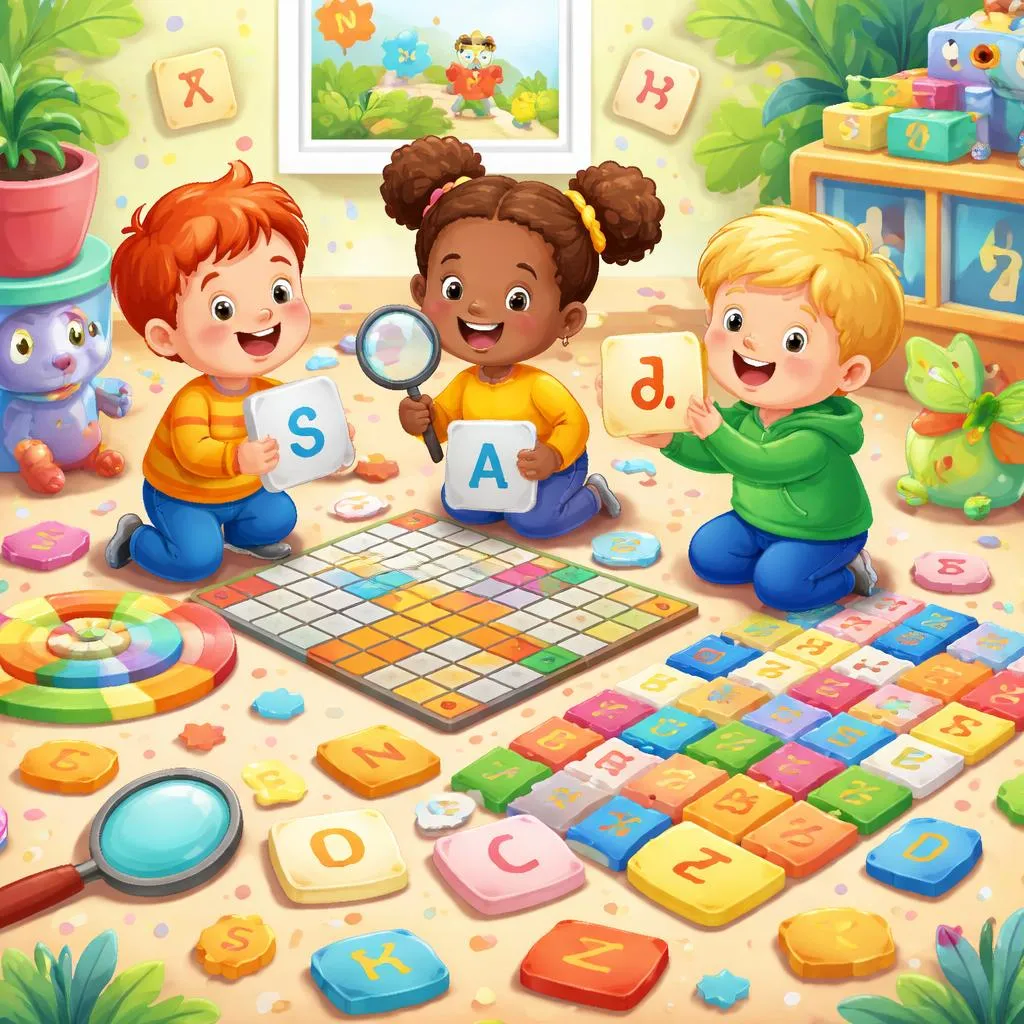

Hello, everyone! Today we talk about words. Words are everywhere. Words are powerful. And learning words can be fun. Very fun.
The secret is in the activities. Not just memorizing lists. Not just writing words again and again. But playing with words. Moving with words. Creating with words.
As a teacher, I have seen this work many times. When children enjoy an activity, they remember. When they move and play, the words stick. Word activities turn learning into something children want to do. Let us explore word activities together.
What Are Word Activities? Word activities are games and exercises. They help children learn new words. They help children remember words. They help children use words.
Some activities are active. Children jump or run. Some are quiet. Children draw or write. Some are social. Children play together. Some are solo. Children work alone.
The best word activities have something in common. They are engaging. They are fun. They make children forget they are learning. But learning happens anyway.
Word activities can teach many things. Word meanings. Word spellings. Word sounds. Word families. How to use words in sentences. All through play.
Teachers can use word activities in class. Parents can use them at home. Anyone helping children learn English can use them. They are flexible. They work for different ages. They work for different word lists.
Categories of Word Activities Word activities come in many types. Let us look at some categories.
Active Word Games These get children moving. Jump on word cards. Run to find the right word. Act out word meanings. Movement helps memory. Active games are great for energetic children.
Creative Word Activities These use art and imagination. Draw word pictures. Make word collages. Write word stories. Create word poems. Creativity makes words personal. Personal things are easy to remember.
Social Word Games These need partners or groups. Play word bingo. Have word races. Play guessing games. Social fun makes learning feel like play. Children help each other. They learn together.
Quiet Word Work These are for calm moments. Match words to pictures. Sort words into groups. Do word puzzles. Quiet activities build focus. They let children work at their own speed.
Musical Word Activities These use songs and rhythm. Sing word songs. Clap word syllables. Make word chants. Music helps language stick. Rhythm makes words memorable.
Competitive Word Games These have winners. Play word spelling bees. Have word team challenges. Competition motivates some children. They try harder to win. They learn more in the process.
Each type works for different situations. Good teachers use many types. This reaches all children. This keeps learning fresh.
Daily Life Examples of Word Activities Let us see how word activities fit into real days.
Morning Word Hunt At breakfast, a child finds words around the kitchen. Milk. Bread. Spoon. They point and say the words. This builds environmental print awareness.
Car Word Games On the way to school, play word games. I spy with my little eye something that starts with B. Bus. Boy. Building. This practices letter sounds.
Grocery Store Words At the store, read labels together. Find the word apple. Find the word milk. This connects words to real objects. Reading becomes useful.
Dinner Table Words At dinner, talk about food words. This is rice. This is chicken. This is broccoli. Describe tastes. Sweet, salty, sour. Words become part of conversation.
Bedtime Word Stories Before bed, read a book. Point to words. Talk about pictures. Ask questions about the story. Reading together builds vocabulary naturally.
These small moments add up. Children learn words all day long. Not just in lessons. Not just from flashcards.
Printable Flashcards for Word Activities Flashcards are useful tools. Here are ways to use them.
Basic Word Cards Make cards with words on one side. Pictures on the other. Use them for matching. Show the picture. Child says the word. Show the word. Child finds the picture.
Color-Coded Cards Use different colors for different word types. Nouns are blue. Verbs are red. Adjectives are green. This helps children see patterns. Words have jobs in sentences.
Sentence Cards Make cards with complete sentences. "The cat sleeps." "I like apples." Children read them. They act them out. They draw pictures of them.
Question Cards Make cards with questions. "What is your name?" "How old are you?" Children practice answering. This builds conversation skills.
Blank Cards Leave some cards blank. Children write their own words. They draw their own pictures. This makes the activity personal. They own their learning.
Learning Activities for Word Practice Here are specific word activities to try.
Activity 1: Word Jump Place word cards on the floor. Call out a word. Children jump to that card. This is active. It uses gross motor skills. It makes word recognition physical.
Activity 2: Word Memory Make pairs of word cards. Place them face down. Children turn over two. They try to find matches. This builds memory and concentration. It practices word recognition.
Activity 3: Word Bingo Make bingo cards with words. Call out definitions or sentences. Children cover the matching word. First to cover all wins. This builds listening and word meaning.
Activity 4: Word Sort Give children a mix of word cards. Ask them to sort them. By first letter. By number of letters. By noun or verb. By theme. This builds categorization skills.
Activity 5: Word Building Use letter tiles or magnetic letters. Say a word. Children build it with letters. This practices spelling. It connects sounds to letters.
Activity 6: Word Drawing Say a word. Children draw a picture of it. This checks understanding. If they draw the right thing, they know the meaning. Drawing also engages creativity.
Activity 7: Word Acting Write action words on cards. Verbs like jump, run, sleep, eat. Children pick a card and act it out. Others guess the word. This is fun and active. It teaches verbs through movement.
Activity 8: Word Story Give children a few word cards. Ask them to make a story using those words. They can tell it aloud. They can write it down. They can draw it. This builds creativity and sentence skills.
Educational Games for Word Learning Games make word practice exciting.
Game 1: Word Race Divide into teams. Place word cards at one end. Call out a word. One child from each team runs, finds the card, and brings it back. First team with correct card wins a point. This builds speed and recognition.
Game 2: Word Steal Place word cards in the center. Children sit in a circle. Call out a word. Children try to grab it first. The one who grabs it keeps it. Most cards at the end wins. This is exciting and builds quick thinking.
Game 3: Word Pictionary One child draws a word. Others guess what it is. This builds creativity and vocabulary. It also practices speaking when guessing.
Game 4: Word Hangman Think of a word. Draw blanks for each letter. Children guess letters. If wrong, draw part of a stick figure. This practices spelling and letter knowledge.
Game 5: Word Scavenger Hunt Hide word cards around the room. Children search for them. When they find one, they read it aloud. They can also use it in a sentence. This gets children moving and reading.
Game 6: Word Chain Say a word. Next person says a word starting with the last letter. Cat. Next word starts with T. Table. Next word starts with E. Egg. Continue as long as possible. This builds vocabulary and quick thinking.
Game 7: Word Categories Choose a category. Animals, food, clothes. Set a timer. Children name as many words in that category as they can. This builds vocabulary retrieval. It also teaches categories.
Game 8: Word Toss Use a soft ball. Toss it to a child. Say a category. Child must say a word in that category and toss the ball back. Farm animals. Child says cow. Toss to next. This is active and builds quick thinking.
Game 9: Word Detective Give children a magnifying glass. Hide words around the room. They search like detectives. When they find a word, they write it down. This makes word hunting exciting.
Game 10: Word Puzzle Make simple crossword puzzles or word searches with target words. Children solve them. This builds spelling and word recognition in a quiet way.
Word activities transform learning. They turn something that could be boring into something exciting. They engage different parts of the brain. They reach different kinds of learners.
Some children learn best by moving. Word jump and word race work for them. Some learn best by seeing. Word cards and word bingo work for them. Some learn best by hearing. Word songs and word chants work for them. Some learn best by creating. Word drawing and word stories work for them.
Good word activities use all these ways. They mix movement with seeing with hearing with creating. This reaches every child. This makes sure no one is left behind.
Teachers can adapt these activities for any word list. Learning colors? Use color words. Learning animal names? Use animal words. Learning action verbs? Use verb words. The activities stay the same. The words change.
Parents can use these activities too. No special training needed. Just a willingness to play. Just a few minutes each day. The results will come. Children will learn more words. They will remember them longer. They will enjoy the process.
Word activities also build confidence. When children play and succeed, they feel good. They feel smart. They want to do more. This positive feeling drives more learning. It creates a cycle of success.
So let us play with words. Let us jump on words. Let us draw words. Let us sing words. Let us race words. Every activity is a chance to learn. Every game is a chance to grow. Words are waiting to be discovered. Happy playing, everyone