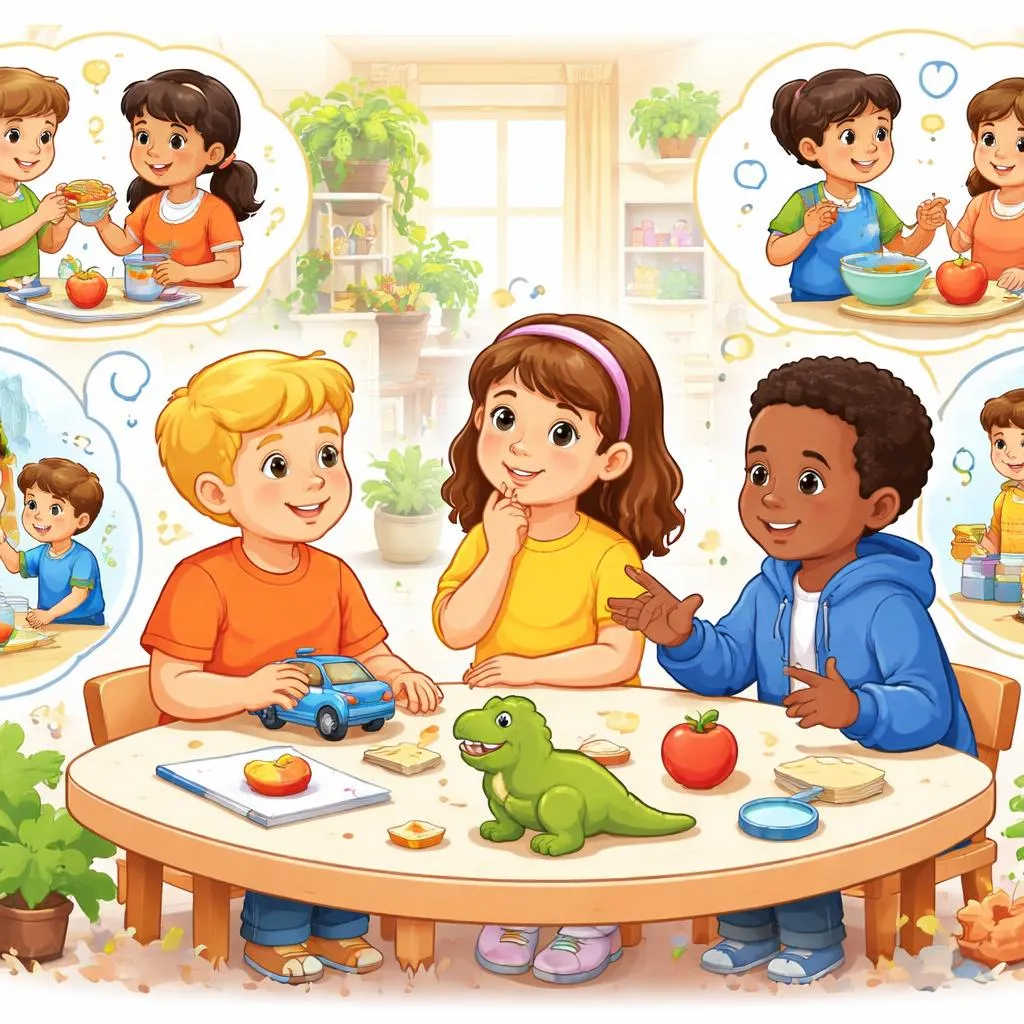

What Do These Expressions Mean? “Think about it” and “Consider it” both talk about using your mind before making a choice or giving an answer. These expressions sound similar because both ask someone to spend time thinking. “Think about it” means to spend some time thinking carefully about something. People often use it in daily conversations with friends or family. “Consider it” also means to think carefully. However, it sounds a little more serious and thoughtful. Adults often use it when talking about plans, decisions, or important ideas. For children, a simple way to understand the difference is this:
“Think about it” feels casual and friendly.
“Consider it” feels calmer and more formal.
Both expressions help people slow down and make better choices. What’s the Difference? The biggest difference is the tone. “Think about it” sounds more natural in everyday speech. A parent may say it during a quick conversation. Friends also use it often. “Consider it” sounds more careful and polite. Teachers, books, or older students may use it during discussions. One expression is more casual, while the other is more thoughtful. Here is another simple comparison:
“Think about it” = everyday thinking
“Consider it” = deeper or more serious thinking
Children usually hear “Think about it” more often because it fits normal daily situations. “Consider it” may appear in school reading, classroom discussions, or written English. When Do We Use Each One? Using “Think about it” People use “Think about it” in relaxed conversations. It often appears when someone wants another person to pause and reflect. Parents may say: “Think about it before you spend all your money.” Friends may say: “Think about it. That game could be fun.” Teachers may also use it in class: “Think about it before answering.” This expression works well in quick conversations at home, school, or playgrounds. Using “Consider it” People use “Consider it” when talking about choices more carefully. A teacher might say: “Please consider your class project ideas.” A parent could say: “Consider it carefully before you decide.” Older children may hear it during reading activities or formal discussions. This expression often appears when people want thoughtful action instead of a fast answer. Example Sentences for Kids Sentences with “Think about it”
Think about it before you trade your cards.
I will think about it tonight.
Think about it during lunch time.
Sentences with “Consider it”
Please consider it before saying no.
We should consider it as a team idea.
Mia will consider it after school.
These examples show that both expressions involve thinking, but the feeling and tone are slightly different. Common Mistakes to Avoid Many English learners mix these expressions because they share a similar meaning. One common mistake is using “Consider it” in very casual moments. Incorrect: “Consider it! This ice cream tastes great!” Correct: “Think about it! This ice cream tastes great!” The casual situation matches “Think about it” better. Another mistake is using “Think about it” during serious discussions where formal English sounds more natural. Incorrect: “The school will think about your application.” Correct: “The school will consider your application.” Formal situations usually fit “Consider it” better. Some learners also forget that both expressions need an idea or decision nearby in the sentence. Incorrect: “I consider.” Correct: “I will consider it.” The word “it” often points to the topic being discussed. Easy Memory Tips Here is a simple trick:
“Think about it” sounds like talking with friends.
“Consider it” sounds like careful planning.
You can also remember this idea: “Think” feels quick and casual. “Consider” feels slower and deeper. Another fun memory tip is to connect the expressions with places:
Playground talk → “Think about it”
Classroom discussion → “Consider it”
This small image helps children remember the tone difference. Why Learning Small Expression Differences Matters Children often learn vocabulary one word at a time. However, natural English also depends on tone and feeling. Native speakers choose expressions based on the situation. Learning these small differences helps children sound more confident and natural. For example, a child may know both expressions mean “to think carefully,” but choosing the right one makes conversations smoother. Understanding tone also improves reading skills. Many storybooks, school articles, and classroom instructions use expressions with slightly different feelings. When children notice these details, they become stronger readers and speakers. How Parents Can Practice These Expressions at Home Parents can help children learn naturally through daily conversation. During dinner, ask: “Think about it. What was the best part of your day?” During homework time, say: “Consider it carefully before choosing your answer.” Short daily practice works better than long grammar lessons. Children also learn quickly through role-play activities. One child can pretend to be a teacher: “Please consider it before making your choice.” Another child can act like a friend: “Think about it! We can play together tomorrow.” Games and conversations help expressions stay in memory longer. Why Tone Is Important in English English speakers often choose words based on feeling, not only meaning. Two expressions may share the same basic idea but create different moods. “Think about it” feels warm and conversational. “Consider it” feels thoughtful and respectful. Learning tone helps children:
understand stories better
speak politely
choose words more naturally
feel confident during conversations
This skill becomes very useful as children grow older and read more advanced English materials. Quick Practice Time Multiple Choice
Which expression sounds more formal?
A. Think about it B. Consider it Answer: B. Consider it Fill in the Blank
“Please ______ it before joining the team.”
Answer: consider
“______ about it before buying the toy.”
Answer: Think These short activities help children remember the difference through real usage. How These Expressions Appear in Books and Movies Children may notice “Think about it” in cartoons, family movies, and friendly conversations. Characters often use it during quick advice: “Think about it before you jump!” “Consider it” appears more often in books, school scenes, or serious moments. For example: “Please consider the consequences.” Reading and listening to English often helps children notice these patterns naturally. The more children hear both expressions, the easier it becomes to choose the correct one. Building Confidence with Everyday English Expressions Learning English is not only about grammar rules. It also includes understanding how people truly speak. Expressions like “Think about it” and “Consider it” help children sound more natural and fluent. Children should not worry about making mistakes. Even native speakers learn tone and expression choice over time. Practice through reading, speaking, and listening helps these phrases become easier every day. A child who understands small expression differences can communicate more clearly and confidently in school, at home, and with friends. Wrap-up “Think about it” sounds casual and friendly, while “Consider it” sounds more careful and formal.