
What is the rhyme?
The song i've been working on the railroad lyrics comes from a traditional American folk song. It describes people working on a railroad and enjoying music and daily life.
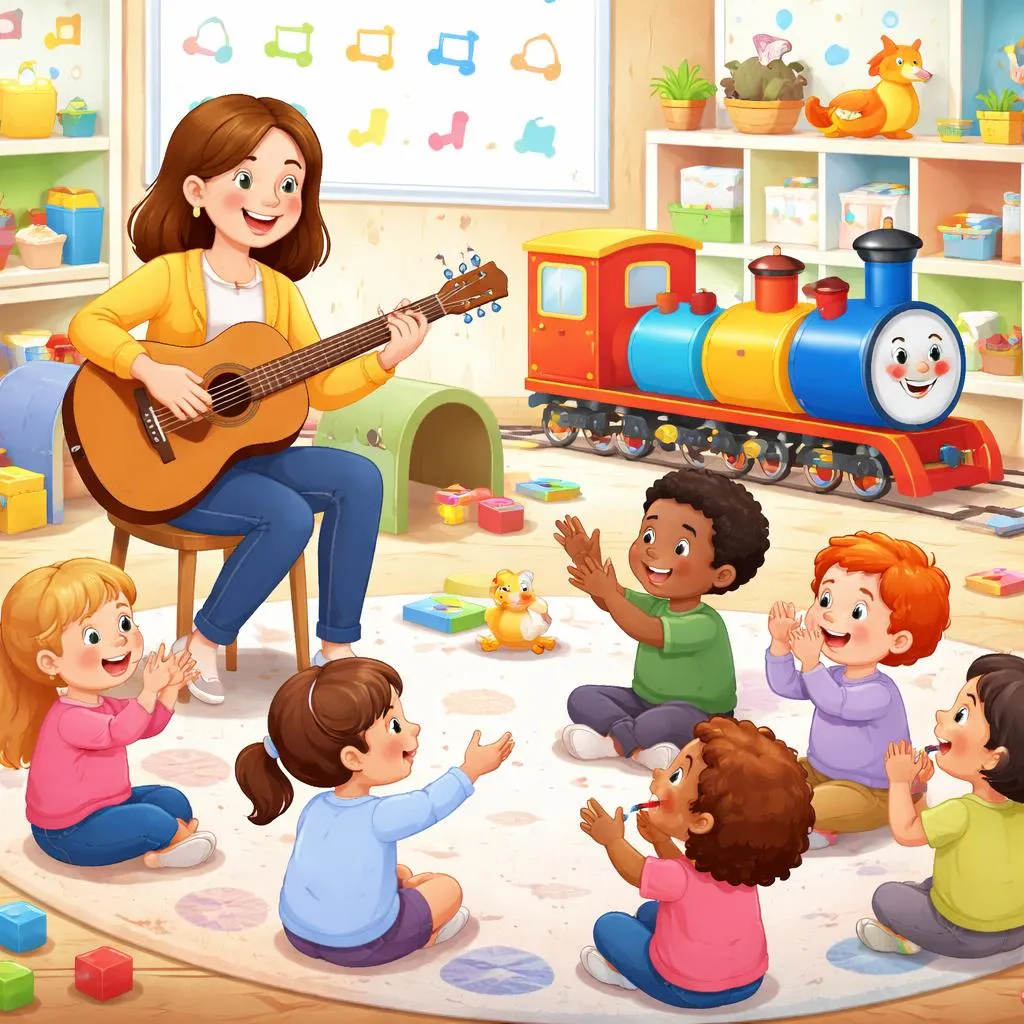
Teachers often use this song in English classrooms. The rhythm is clear and easy to follow. The repeated phrases support listening and pronunciation practice.
This song connects language with history and culture. It also introduces themes of work, time, and music.
The lyrics of nursery rhymes
The song i've been working on the railroad lyrics follow a simple narrative pattern. “I’ve been working on the railroad, all the live-long day.” “I’ve been working on the railroad, just to pass the time away.”
The song includes character names and playful verses. “Dinah, won’t you blow your horn?” is a memorable line.
Teachers can sing one verse at a time. Pause to explain meaning and rhythm. Repetition builds confidence and fluency.
Vocabulary learning
This song introduces rich and meaningful vocabulary. “Railroad” refers to trains and tracks. “Working” introduces the concept of jobs and effort.
“Day,” “time,” and “horn” connect to daily life objects and actions. Teachers can use pictures of trains, clocks, and instruments.
Simple model sentences help understanding. “I work every day.” “The train is on the railroad.” “The horn is loud.”
Contextual vocabulary teaching supports retention. Visuals and gestures make meaning clear.
Phonics points
The song i've been working on the railroad lyrics support phonics instruction. “Railroad” highlights the long vowel sound in “rail.” “Day” reinforces the long A sound.
“Time” highlights the long I sound. “Blow” shows the long O sound.
Teachers can isolate key words and practice sounds. Clap syllables in “rail-road” and “live-long.” Segment sounds in “day” and “horn.”
Singing helps connect sounds with rhythm. This strengthens phonological awareness.
Grammar patterns
The song introduces present perfect tense. “I’ve been working” shows an action that started in the past and continues.
Teachers can simplify the explanation. “This means work started before and continues now.”
Model simple sentences. “I’ve been reading.” “I’ve been playing.”
The song also includes imperatives. “Blow your horn” shows a command.
Teachers can practice sentence frames. “Please blow the horn.” “Please open the door.”
Grammar learning becomes meaningful through music.
Learning activities
The song i've been working on the railroad lyrics supports many classroom activities. Sing and add gestures for “working,” “railroad,” and “blow the horn.”
Role-play activities deepen comprehension. One student pretends to be a train worker. Another pretends to be Dinah with a horn.
Drawing tasks reinforce vocabulary. Draw a train, tracks, and workers. Label each picture with simple words.
Listening activities build attention skills. Stop the song and ask simple questions. “What is the person doing?”
Printable materials
Printable worksheets support structured practice. Create lyric gap-fill worksheets. Remove words like “railroad” and “day.”
Flashcards with key vocabulary help visual learners. Use cards for “train,” “horn,” “time,” and “work.”
Sentence strips help grammar practice. “I’ve been working.” “I’ve been singing.”
Mini-books tell a simple story about railroad workers. Each page includes one lyric and a picture.
Educational games
Games make the song i've been working on the railroad lyrics interactive. A “Railroad Word Hunt” game hides vocabulary cards in the classroom. Call a word and ask learners to find it.
A rhythm echo game builds listening skills. Clap the rhythm of the song. Students repeat the rhythm.
A lyric sequencing game strengthens comprehension. Mix lyric cards and ask learners to put them in order.
A grammar chant game reinforces present perfect tense. “I’ve been jumping.” “I’ve been dancing.”
Digital karaoke versions support pronunciation and fluency. Interactive quizzes check vocabulary understanding.
The song i've been working on the railroad lyrics provides a rich teaching resource for early English instruction. It connects music, culture, grammar, and phonics in a natural way. With guided teaching, visuals, and engaging activities, learners build strong language foundations while enjoying rhythm and storytelling.