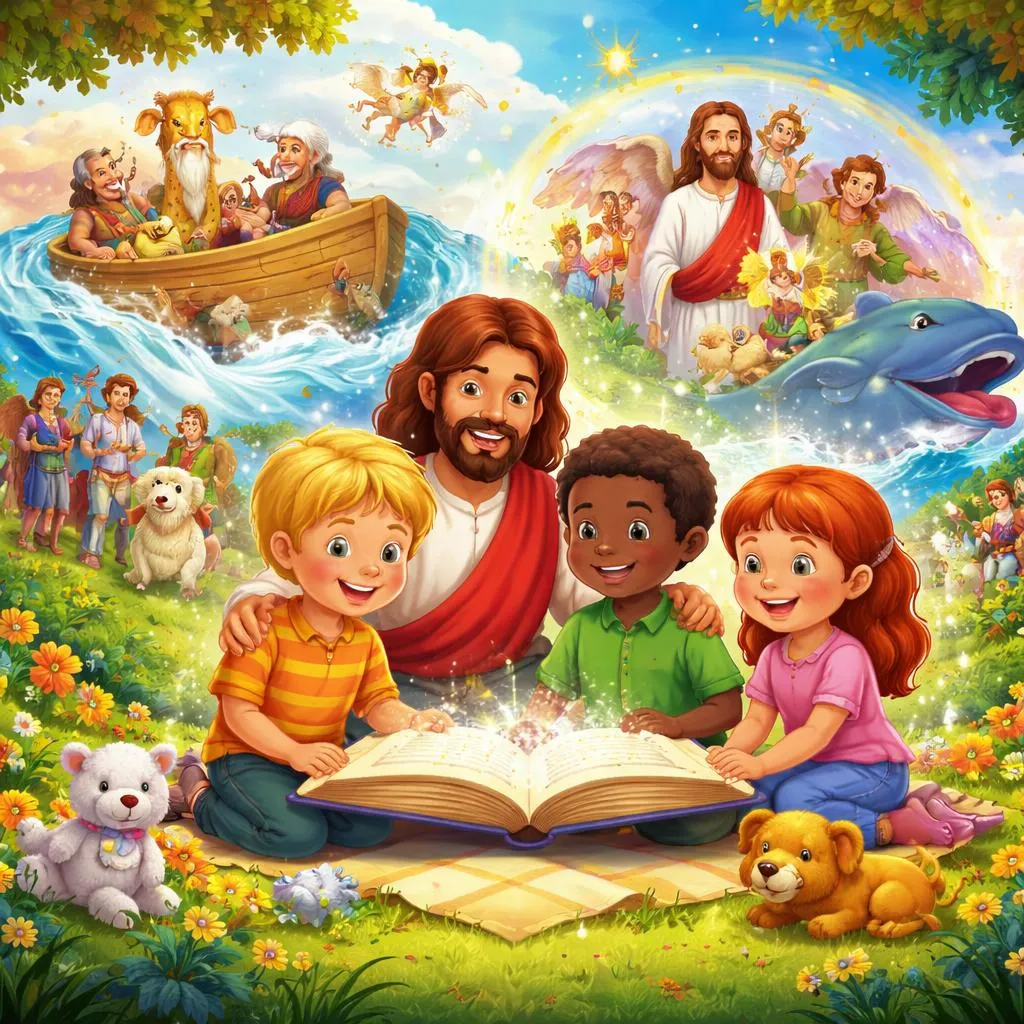

What Is The Beginner's Bible: Timeless Children's Stories? Let us begin by exploring this wonderful resource. The Beginner's Bible: Timeless Children's Stories is a collection of beloved Bible tales. It presents these stories in a very simple way. The language is easy for young minds to grasp. The book uses bright and friendly illustrations. These pictures help bring the stories to life. We can use it as a first introduction to biblical narratives. It serves as a bridge between abstract concepts and a child's world. The book covers major events from both the Old and New Testaments. From creation to the life of Jesus, it presents key moments. We find the stories are shortened but keep their core message. This makes the book ideal for shared reading time.
Meaning and Purpose of This Story Collection The main purpose of The Beginner's Bible is to make faith accessible. It aims to plant early seeds of spiritual understanding. We use it to share important values with young learners. Stories teach lessons about kindness, courage, and faith. They show characters making choices and facing consequences. We see David's bravery against Goliath. We learn about Noah's obedience and trust. The stories also introduce the idea of God's love and care. For many educators, it is a first tool for moral education. It helps children connect positive values with engaging stories. We can point to examples of good behavior in the tales. It also provides comfort through familiar narratives. Children often find security in hearing the same stories again. This repetition builds a foundation for later, more complex learning.
Categories of Stories Found in the Book We can group the stories into several helpful categories. First, there are stories about creation and beginnings. This includes the story of Adam and Eve in the garden. Second, we have stories of great heroes and leaders. Think of Moses leading his people or Joshua at Jericho. Third, there are stories of kings and prophets. We read about David, Solomon, and Daniel. Fourth, we find the miracles and parables of Jesus. The story of the lost sheep belongs here. Fifth, we have stories of faith and survival. Esther's bravery and Jonah's big fish adventure fit this group. Organizing stories this way helps us plan lessons. We can focus on one theme for several weeks. It allows children to compare characters and their journeys. We can ask which hero showed the most courage.
Daily Life Examples from These Stories We can connect these ancient stories to modern daily life. The Beginner's Bible makes this connection easier. For example, the story of the Good Samaritan teaches us to help others. We can link this to helping a friend who fell down. The story of Moses' mother protecting him shows a mother's love. Children understand this through their own family experiences. When we read about sharing loaves and fishes, we talk about sharing snacks. The story of Daniel praying teaches about having a quiet time. We can relate this to a moment of stillness during the day. The story of Zacchaeus climbing a tree shows us we can change. A child who made a mistake can learn they can try to be better. These connections make the stories real and relevant. They are not just old tales but guides for today.
Using Printable Materials with This Bible Printable materials greatly enhance the learning experience. We can create picture cards of key story moments. These cards help with sequencing activities. Children can put the story events in the correct order. We can also design simple coloring pages. Let them color Noah's ark or Daniel in the lion's den. Matching games work well too. Match the character with the object, like David and his sling. We can provide simple worksheets with tracing words. Words like "love," "ark," and "king" are good to start. Printable masks let children act out the stories. They become the lion or the shepherd for a while. We can also create story wheels that turn to show different scenes. These printables make learning hands-on and fun. They also serve as a take-home item for families to share.
Learning Activities for Deeper Engagement We can plan many activities around The Beginner's Bible. Start with a story retelling session using props. Use small toys or puppets to act out David and Goliath. Create a sensory bin for the creation story. Use water, sand, and toy animals for each day. Sing songs that relate to the stories. "Who Built the Ark?" is a fun choice for Noah's story. Have a "feast day" when learning about Jesus feeding the people. Share simple bread and fish-shaped crackers. Build a "wall" out of blocks for the story of Joshua. Let children knock it down with a "trumpet" sound. For the parable of the sower, plant real seeds in different pots. Watch which ones grow best. These activities use different learning styles. They help children remember the story through experience.
Educational Games Inspired by the Stories Games make learning about these stories exciting. We can play "Pin the Tail on the Donkey" for the story of Balaam. Use a simple "Go Fish" card game with pairs of Bible characters. Create a "Memory Match" game with pictures and simple words. For the story of the lost coin, hide coins around the room. Let children search for them like in the parable. Play a "Follow the Leader" game when learning about Jesus' disciples. Use a "Red Light, Green Light" game to talk about obedience. Noah followed God's directions. We can adapt "Duck, Duck, Goose" as "Lamb, Lamb, Lion." For David and Goliath, try a game of tossing beanbags at a target. These games build community and reinforce lesson themes. They turn abstract ideas into physical, playful actions. Children learn best when they are moving and laughing.
Vocabulary Building from the Beginner's Bible The Beginner's Bible introduces many new words. We can focus on a few key words from each story. For the creation story, words like "created," "light," and "rest" are good. For Noah, we have "ark," "rainbow," and "promise." We can make vocabulary cards with a picture on one side. On the other side, we put the word in a simple sentence. Use the words during daily routines. Say "Let's be kind like Jesus" when a child shares. We can create a word wall in the classroom. Add new words as we read new stories. Play word games like "I Spy" with vocabulary words. "I spy something that begins with 'a'... ark!" We can also use songs to practice new words. Simple rhyming chants help children remember. Repetition of these words builds a child's religious and moral vocabulary. It gives them words to express their own thoughts and feelings.
Guiding Questions for Story Time Asking good questions helps children think deeper. We do not just want them to remember facts. We want them to understand meaning. Before reading, we can ask what they see on the cover. During the story, we can ask what they think will happen next. After the story, we move to application. For David and Goliath, ask what made David brave. For the story of the lost sheep, ask how the sheep felt. Ask how the shepherd felt when he found it. Connect feelings to the child's own life. Ask if they ever felt lost or worried. Ask who helps them when they are scared. For the story of Jesus calming the storm, ask about being afraid. Ask what helps them feel calm. These questions turn reading into a conversation. They show children that the stories speak to their own experiences. They learn to find personal meaning in ancient texts.
Integrating Stories Across the Curriculum The Beginner's Bible can connect to many learning areas. We can link stories to art projects. Paint a rainbow for Noah's story. Make a crown for King David. In music class, learn songs about the stories. Use instruments to make storm sounds for Jonah. In math, count animals for the ark. Sort them by twos. In science, talk about weather for the storm story. Plant seeds for the parable of the sower. For language arts, we sequence stories and learn new words. For social skills, we practice sharing like the early church. This integration shows children that learning is connected. Faith is not separate from math or art. It is part of the whole day. It reinforces the messages through different mediums. A child who struggles with reading may excel at the art project. They still learn the core lesson.
Tips for Making Story Time Engaging We want story time to be a highlight of the day. First, create a cozy and inviting space. Use a special rug or cushions. Hold the book so everyone can see the pictures. Use different voices for different characters. Make your voice big for Goliath and small for David. Pause at exciting moments to build suspense. Ask children to make the sound effects. Let them roar for the lions in Daniel's story. Keep the pace lively but allow for questions. Some children will have many questions. That is good. It shows they are thinking. Do not be afraid to say "I wonder about that too." It encourages curiosity. After the story, allow time for quiet reflection or drawing. Let the story settle in their minds. Story time should feel like a gift, not a task. Our own enjoyment of the story is contagious.
Fostering a Love for These Timeless Stories Our ultimate goal is to foster a lasting appreciation. We want children to carry these stories with them. We do this by making the experience positive and warm. We connect the stories to their lives and feelings. We allow them to interact and ask questions. We provide activities that are fun and memorable. We send printables home so families can continue the conversation. We create a classroom culture where the stories are celebrated. We reference them during the day. "Remember how Daniel trusted God?" we might say. This weaves the stories into the fabric of the classroom. Over time, these stories become old friends. They provide comfort, guidance, and a sense of wonder. The Beginner's Bible: Timeless Children's Stories is the perfect tool for this journey. It opens the door to a world of faith and learning for our youngest students.