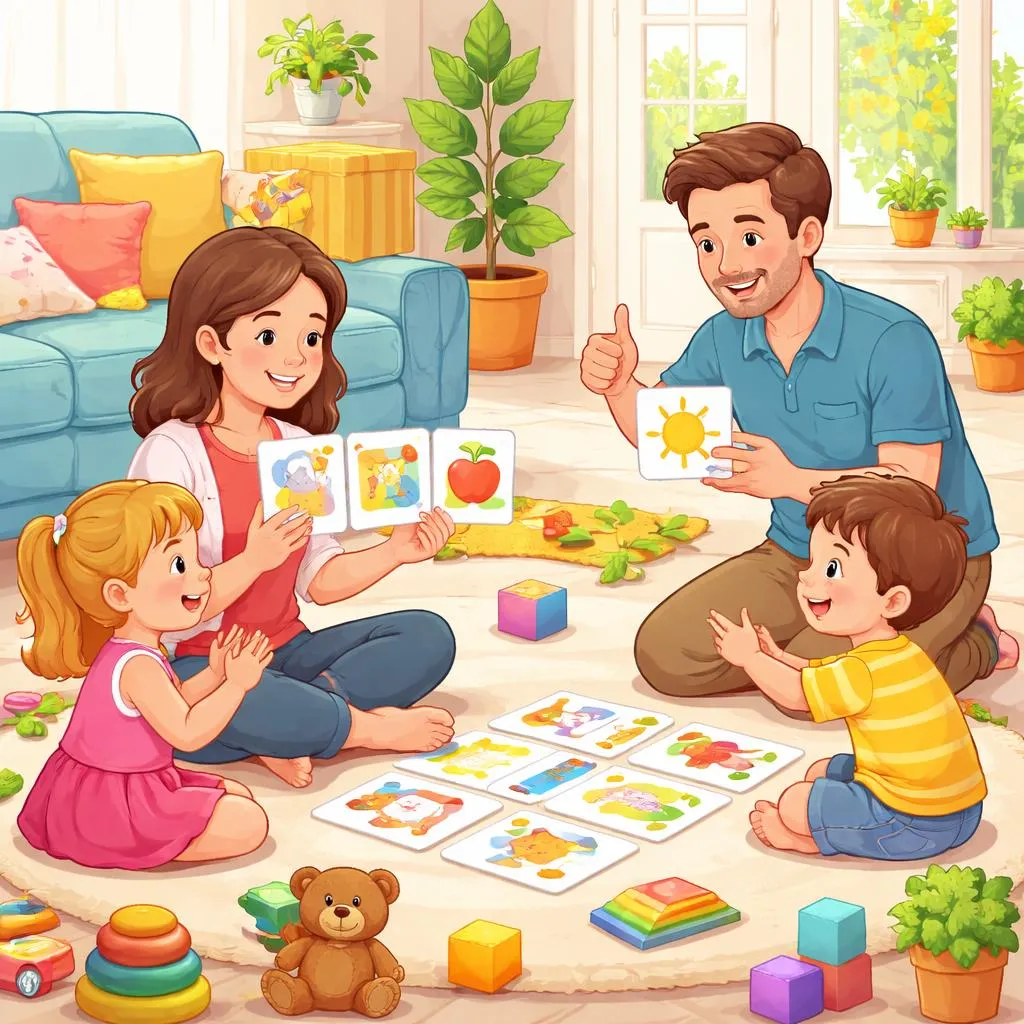

Language is made of many small pieces that fit together like a puzzle. Words are the smallest pieces. Phrases are the next size up. They are groups of words that work together as a unit, even though they do not form complete sentences. For a six-year-old, learning common phrases helps them sound more natural and understand others more easily. This guide will help you explore the 70 most common phrase for 6-year-old learners in ways that feel playful and encouraging for both you and your child.
What Is a Phrase?
A phrase is a group of words that work together but do not have both a subject and a verb. Phrases cannot stand alone as complete sentences. They are like teams of words that play together in a larger sentence. "In the morning" is a phrase. "Under the big tree" is a phrase. "Eating ice cream" is a phrase. These groups of words add meaning and detail to sentences, but they need a sentence around them to be complete.
Meaning and Explanation
Phrases help us add color and detail to our language. Instead of just saying "I played," we can say "I played in the park." Instead of "I ate," we can say "I ate a yummy snack." The phrases "in the park" and "a yummy snack" give us more information and make our sentences more interesting. For a six-year-old, learning common phrases means learning to express themselves with greater precision and color.
Categories of Common Phrases
The phrases children use most often fall into several helpful groups. There are prepositional phrases that tell us where or when, like "on the table," "at school," or "after lunch." There are noun phrases that describe people or things, like "my best friend," "the red ball," or "that big dog." There are verb phrases that show actions, like "going to sleep," "playing outside," or "watching television." There are polite phrases for social situations, like "thank you very much," "excuse me," or "nice to meet you." And there are question phrases that help children ask for information, like "how much," "what time," or "where is."
Daily Life Examples
Children hear and use phrases constantly throughout their day. In the morning, they might hear "time to wake up" or "get dressed now." At breakfast, they might say "more milk please" or "I don't like that." During play, they might use phrases like "my turn," "over there," or "too high." At bedtime, they hear "brush your teeth," "put on pajamas," and "snuggle in bed." These everyday phrases become familiar through repetition and use.
Noun Phrases
Noun phrases are groups of words that work together to name a person, place, thing, or idea. They include the noun and all the words that describe it. "The little girl" is a noun phrase. "My favorite toy" is a noun phrase. "That big yellow school bus" is a noun phrase. Children use noun phrases constantly to be more specific about what they mean. Instead of just saying "dog," they might say "the brown dog next door." This specificity helps others understand exactly what they mean.
Verb Phrases
Verb phrases include the main verb and any helping verbs that go with it. "Is running" is a verb phrase. "Has eaten" is a verb phrase. "Will be playing" is a verb phrase. Children use verb phrases naturally as they learn to express different tenses. They learn to say "I am going" instead of just "I go." They learn to say "I have finished" instead of "I finish." These verb phrases help them express time and completion more accurately.
Prepositional Phrases
Prepositional phrases begin with a preposition and tell us where, when, or how something happens. "In the kitchen" tells us where. "After dinner" tells us when. "With a spoon" tells us how. Children use these phrases all the time to give more information about their actions. "I put my toys in the box." "We will go after lunch." "I cut the paper with scissors." These phrases add important details to their sentences.
Learning Tips for Parents
The best way to help your child learn common phrases is to use them naturally in your daily conversations. When you give directions, use clear phrases. "Please put your shoes in the closet." When you describe things, use descriptive phrases. "Look at that beautiful rainbow in the sky." When you ask questions, use question phrases. "What time do you want to eat dinner?" Your child absorbs these patterns through repeated exposure.
Reading together provides wonderful examples of phrases in context. As you read, you can occasionally point out interesting phrases. "Listen to how the author describes the forest. 'The dark, mysterious forest.' That is a noun phrase that helps us picture it." This gentle attention to language helps children notice how phrases work.
Educational Games
Games make learning phrases feel like play. One simple game is "Phrase Hunt." Go on a walk around your home or neighborhood and take turns finding things to describe with phrases. "I see a red car in the driveway." "I see a bird singing in the tree." "I see a soft blanket on the couch." This game connects phrases to the real world and gives repeated practice in a natural setting.
Another favorite is the "Phrase Match" game. Write phrases on one set of cards and the places they might be used on another set. Match "in the morning" with "eat breakfast." Match "at the park" with "play on the swings." This game helps children understand how phrases fit into larger contexts.
Using the 70 most common phrase for 6-year-old learners, you can create simple "Phrase Cards." Write each phrase on an index card with a simple picture to show its meaning. Practice a few cards each day by using the phrases in sentences. "Let's use 'in the kitchen.' Where is Mommy? Mommy is in the kitchen cooking dinner." This connects the phrase to real situations.
The "Finish My Phrase" game helps children complete common expressions. Start a phrase and let your child finish it. "Once upon a..." "...time." "How are..." "...you?" "See you..." "...later." This game builds familiarity with common phrase patterns that appear frequently in conversation and stories.
Puppets and stuffed animals make wonderful phrase practice partners. Use a puppet to say phrases, and encourage your child to respond with appropriate phrases. Puppet says "Good morning!" Child responds "Good morning!" Puppet says "Time for lunch!" Child responds "I'm hungry!" This playful interaction takes the pressure off and makes practice fun.
Movement games also work well with phrases. Call out a prepositional phrase and have your child move to that position. "Stand next to the chair." "Sit under the table." "Put your hand above your head." This kinesthetic learning connects language with physical movement and helps children understand the meaning of location phrases.
Remember that learning phrases is a gradual process that happens naturally through exposure and use. Your child does not need to memorize lists or study definitions. The goal is simply to become more familiar with the common word groups that make English flow naturally. Through your modeling, through playful games, and through the natural rhythm of daily conversation, the 70 most common phrase for 6-year-old learners will become comfortable and familiar.
Your patience and encouragement make all the difference. When your child uses a new phrase correctly, celebrate their success. When they make mistakes, simply model the correct form in your response. Language grows best in an atmosphere of love and acceptance, where trying new things feels safe and rewarding. With your support, your child will continue to build their phrase collection, adding more and more color and precision to their everyday communication.