
What is this topic about?
Let's explore a world full of fascinating creatures. Learning animals name in English is a joyful and fundamental part of language development. This topic connects children to the natural world while building a rich vocabulary that they love to use. It's more than just memorizing words; it's about discovering categories, habitats, and the sounds animals make.
When we study animals name, we open doors to storytelling, science, and imaginative play. Children naturally feel curious about animals, making this vocabulary highly engaging and memorable. We can group animals, describe them, and learn about where they live—all while practicing new English words in a context that sparks wonder and excitement.
Meaning and explanation
Why do we focus on teaching animals name? Animal vocabulary is everywhere—in books, cartoons, songs, and daily conversations. Knowing these words helps children describe what they see at the zoo, on a farm, or even in their backyard. It builds their ability to communicate about the world around them.
Each animals name carries meaning beyond the word itself. For example, learning "lion" introduces concepts like "jungle," "roar," and "king of the beasts." This expands a child's understanding of habitats, behaviors, and characteristics. It also introduces the idea of categorization (wild vs. domestic, big vs. small), which is a key cognitive skill developed through language learning.
Categories or lists
Organizing animals name into groups makes learning manageable and logical. We can categorize animals by where they live. Farm Animals include cow, pig, sheep, horse, and chicken. Zoo Animals or Wild Animals include lion, elephant, giraffe, monkey, and tiger. Pets are animals like dog, cat, rabbit, fish, and hamster.
We can also group them by other features. Animals by Habitat: ocean animals (fish, whale, dolphin), forest animals (bear, deer, fox). Animals by Size: big animals (elephant, whale), small animals (mouse, bird). Creating these lists helps children organize information in their minds and makes recalling specific animals name much easier when they need them.
Daily life examples
We encounter animals name constantly in daily life. At home, a child plays with a pet dog or cat. During a meal, they might eat food shaped like animal crackers. On a car ride, they might point out cows or horses in a field. Visiting a zoo or aquarium brings these words to life—seeing an elephant and saying its name creates a powerful memory.
In children's media, characters are often animals. Think of shows with talking pigs, clever dogs, or adventurous bears. Reading picture books about animals reinforces the vocabulary. Even simple actions like making animal sounds ("What does the cow say? Moo!") connect the animals name to interactive, multisensory learning. These everyday moments make the vocabulary relevant and practical.
Printable flashcards
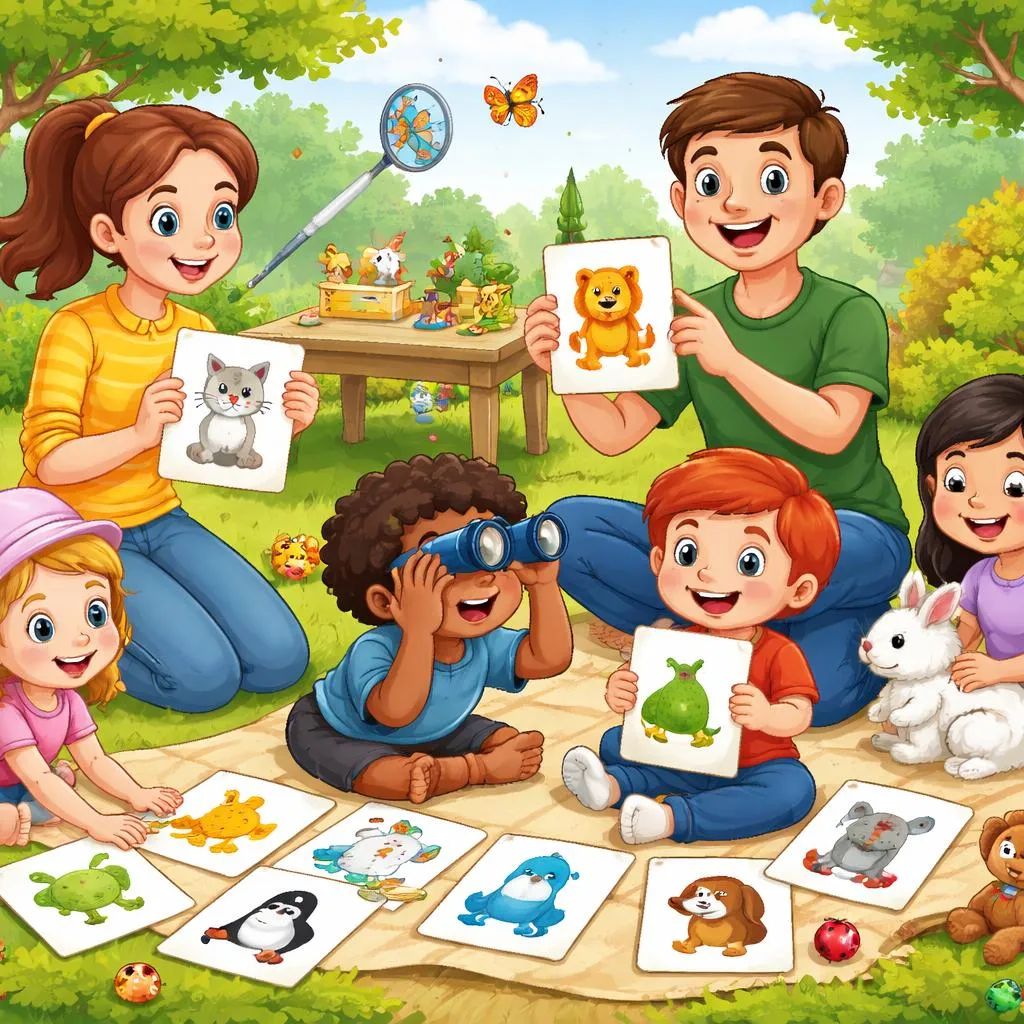
Printable flashcards are excellent tools for learning animals name. Create colorful cards with a clear picture of the animal on one side. On the other side, write the name in large, bold letters. For younger learners, you might include the starting letter sound: "D is for Dog."
Use these cards for various activities. Play matching games with two identical sets. Sort them into categories like "Animals with Feathers" and "Animals with Fur." You can also play "Guess the Animal" by showing just a part of the picture first. Flashcards make review sessions interactive and visual, helping to cement each animals name in a child's memory through repetition and play.
Learning activities and games
Learning comes alive with fun activities. A classic game is "Animal Charades." Write different animals name on slips of paper. A child picks one and acts out the animal without speaking—perhaps hopping like a rabbit or prowling like a lion—while others guess the English name. This connects physical movement to vocabulary.
Another engaging activity is "Animal Habitat Diorama." Provide small boxes and craft materials. Assign an animal habitat, like the ocean or the jungle. Children create the scene and place toy animals or drawn cut-outs in it, labeling each with its animals name. This project combines art, science, and vocabulary in a hands-on way.
For a listening and movement game, play "Animal Freeze Dance." Play music and have children move around. When the music stops, call out an animals name and a number, like "Three elephants!" Children must quickly form groups of three and pose like elephants. This practices numbers, listening skills, and vocabulary in an energetic group setting.
To practice phonics, create "Beginning Sound Animal Sort." Set out baskets labeled with different starting sounds, like /d/, /c/, /b/. Provide picture cards of animals—dog, cat, bear, dolphin, cow, etc. Children say the animals name and place it in the basket with the matching beginning sound. This builds phonemic awareness using familiar, appealing vocabulary.
The power of song and story
Never underestimate the power of a good song or story. Singing "Old MacDonald Had a Farm" is a timeless way to learn animals name and their sounds. Each verse introduces a new animal, and the repetitive structure makes it easy to join in. Similarly, stories like "Brown Bear, Brown Bear, What Do You See?" brilliantly reinforce animal names and colors through predictable, rhythmic text.
Creating your own simple class story can be powerful. Start with, "One day, a little rabbit went into the forest. It saw a..." and let children add animals name to the story. This encourages creativity and oral use of the vocabulary in a meaningful context. Songs and stories provide a natural, joyful rhythm that makes language stick.
Mastering animals name in English is a foundational step that builds confidence and curiosity. By using categories, real-life examples, interactive games, and creative projects, we transform vocabulary learning from a task into an adventure. Each new animal word is a key that unlocks a child's ability to describe their world, share their interests, and connect with stories and nature. This knowledge grows with them, providing a sturdy bridge to more complex language skills and a lifelong appreciation for the wonderful creatures we share our planet with.