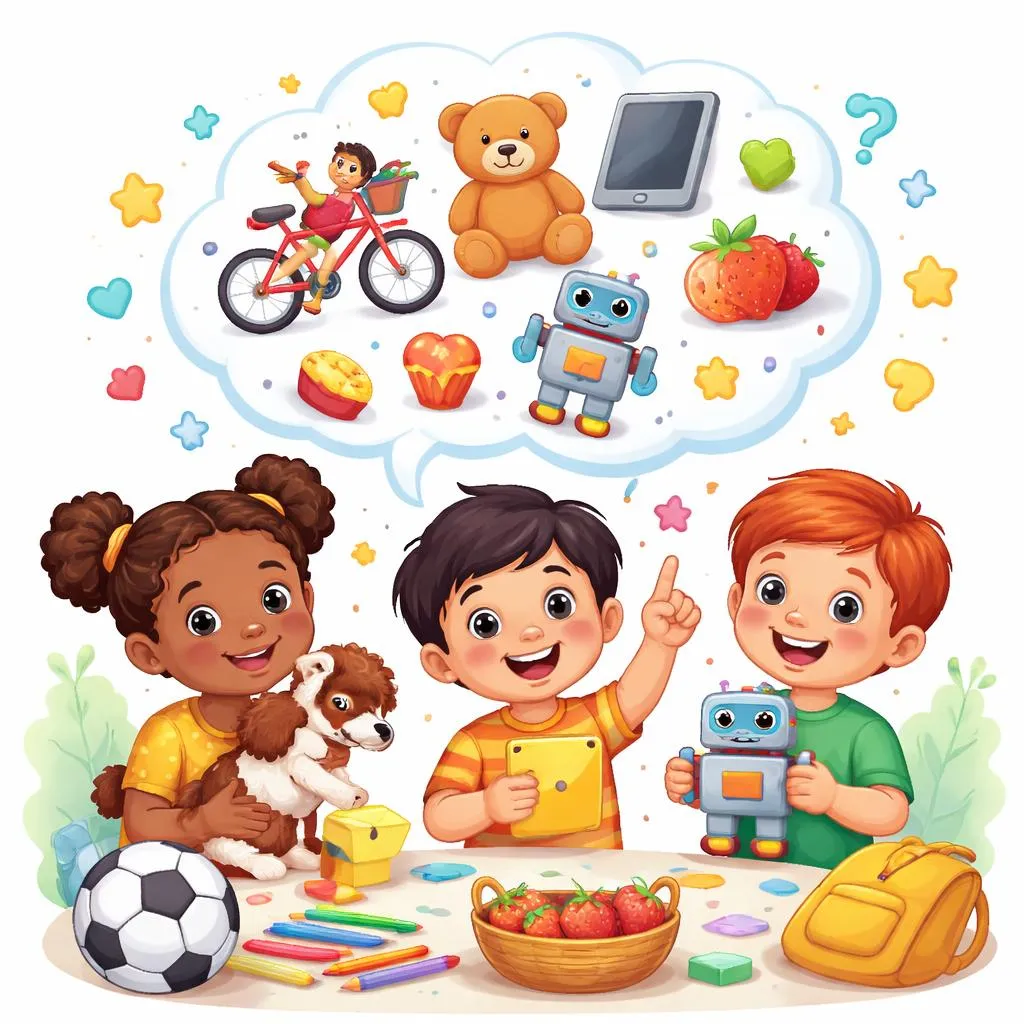

Hello, young grammarians and dedicated teachers! Today we explore a very important verb. It appears in almost every conversation. It helps us talk about what we own. It helps us talk about what we do. It helps us form different tenses. The verb to have in english is essential for communication. Understanding its forms helps children use English correctly. They learn when to use "have" and when to use "has." They learn about "had" for the past. They discover how "have" helps other verbs. Let us explore these forms together. Let us become experts at using "have."
Meaning of the Verb to Have The verb "have" has several important meanings. Understanding these meanings helps children use it correctly.
Possession is the most common meaning. It shows that something belongs to someone. "I have a bicycle." "She has a beautiful voice." "They have a new house." This tells what people own.
Relationships use "have" too. "I have two sisters." "He has a best friend." This shows connections between people.
Characteristics are described with "have." "The cat has green eyes." "Elephants have long trunks." This tells what something is like.
Feelings or states use "have." "I have a headache." "We have fun at the park." This describes internal experiences.
Eating and drinking often use "have." "We have breakfast at 7 o'clock." "Let's have pizza for dinner." This is very common in daily conversation.
Actions can be described with "have" plus a noun. "Have a shower." "Have a walk." "Have a look." These are common phrases.
Conjugation of the Verb to Have Conjugation means changing the verb to match the subject and time. The verb "have" has three main forms: have, has, and had.
For the present tense:
I have
You have
We have
They have
He has
She has
It has
For the past tense:
I had
You had
He/She/It had
We had
They had
For the future tense, we use will have for all subjects:
I will have
You will have
He/She/It will have
We will have
They will have
Learning these forms is the first step. They are the building blocks for all sentences using "have."
Present Tense of the Verb to Have The present tense talks about now. We use it for things that are true at this moment. We also use it for things that are always true.
For the subjects I, You, We, and They, we use have.
I have a blue backpack.
You have a very nice smile.
We have English class today.
They have a new pet dog.
For the subjects He, She, and It, we use has.
He has a loud laugh.
She has a beautiful voice.
It has a long tail. (Speaking about an animal)
The school has a big library.
We can also use the present tense to talk about habits. "I have cereal for breakfast every day." "She has piano lessons on Tuesdays." This shows that "have" is not just for things we own.
Past Tense of the Verb to Have The past tense is simpler. We use one word for everyone: had. We use "had" to talk about things that were true before now. It could be yesterday, last week, or many years ago.
Look at these examples.
I had a dream about flying last night.
You had a turn already.
He had a cold last week.
She had a great time at the party.
We had pizza for dinner yesterday.
They had a red car, but now it is blue.
We also use "had" to talk about past experiences. "When I was little, I had a stuffed bear." "We had fun at the beach last summer." Using "had" correctly helps us share stories about the past.
Future Tense of the Verb to Have To talk about the future, we add a helper word. The most common helper is "will." So, the future form is will have. We use this for all subjects.
Let us practice.
I will have a birthday party next week.
You will have time to play after homework.
He will have a new baby sister soon.
She will have a test tomorrow.
We will have dinner together tonight.
They will have a surprise for us.
We can also use "going to" for the future. "I am going to have a busy day." "She is going to have a dance recital." Both "will have" and "going to have" are correct. They help us make plans and talk about what is coming.
Questions Using the Verb to Have Asking questions with "have" is very common. There are two ways to form questions.
The first way is to move "have," "has," or "had" to the front. This is simple and direct.
Statement: You have a pencil.
Question: Have you a pencil? This form is correct but less common in everyday American English.
The second way uses the helper verb "do." This is very common. For the present tense, we use "do" or "does" with "have."
Do I have time?
Do you have my book?
Does he have a sister?
Does it have a battery?
Do we have any milk?
Do they have a car?
Notice that after "does," we use "have," not "has." "Does she have a pet?" (Not "Does she has a pet?")
For the past tense, we use "did" with "have."
Did you have a good day?
Did they have enough food?
For the future, we move "will" to the front.
Will we have enough time?
Will she have a cake?
We can also use question words.
What do you have in your bag?
Why did he have to leave?
When will we have lunch?
Other Uses of the Verb to Have Now we discover another important job of "have." Besides being a main verb, it also works as a helping verb. We call this an auxiliary verb. It helps other verbs form different tenses. Specifically, it helps form the perfect tenses.
When "have" helps another verb, it is followed by a past participle. A past participle is often a verb ending in -ed, but many common verbs have special forms.
Look at these examples.
I have finished my homework. (Present perfect)
She has visited her grandmother. (Present perfect)
They had already eaten when we arrived. (Past perfect)
By next week, we will have completed the project. (Future perfect)
In these sentences, "have" does not show ownership. It shows that an action is completed. It connects the past action to the present or to another time.
"Have" also appears in common expressions.
Have a good day!
Have a seat.
Have fun!
Have a look.
These are fixed phrases children use every day.
Learning Tips for the Verb to Have Learning the verb to have in english takes practice. Here are some helpful tips.
First, master the present tense thoroughly. Get comfortable with "I have" and "she has." Use them in daily conversation. "I have a pencil." "She has a book." Repetition builds confidence.
Second, practice the past tense separately. "Had" is easy because it does not change. Use it to tell stories about yesterday. "We had pizza." "I had fun."
Third, practice questions naturally. Ask children about their possessions. "Do you have a pet?" "Does she have a brother?" This builds conversational skills.
Fourth, introduce the helping verb use later. Start with common phrases. "I have eaten." "She has gone." Children can learn these as chunks before understanding the full grammar.
Educational Games for the Verb to Have Games make learning the verb to have fun and memorable.
Have/Has Sort: Create sentence cards with blanks. "I ___ a dog." "She ___ a cat." Children sort them into two piles. Sentences that need "have" in one pile. Sentences that need "has" in another.
Possession Show and Tell: Children bring an item from home. They introduce it using "have" or "has." "I have a blue truck." "My sister has a doll." This connects grammar to real life.
Story Chain with Had: Start a story using "had." "Yesterday, I had a great day." The next child adds a sentence using "had." "I had pizza for lunch." Continue around the circle. This builds past tense fluency.
Question Practice Circle: Sit in a circle. One child asks a present tense question, "Do you have a pet?" The next answers, then asks the next person a different question. This builds conversational fluency.
Perfect Tense Pictionary: Draw pictures showing completed actions. A finished meal, a read book, a built tower. Children guess using present perfect. "You have eaten!" "She has built a tower!" This practices the helping verb use.
Have Bingo: Create bingo cards with different forms of "have." Call out subjects and tenses. "I, present." Children cover "have." "She, past." Children cover "had." This builds quick recognition.
Through these activities, the verb to have in english becomes natural. Children use "have," "has," and "had" correctly. They ask questions confidently. They even use "have" as a helping verb. This important verb becomes a reliable tool for communication.