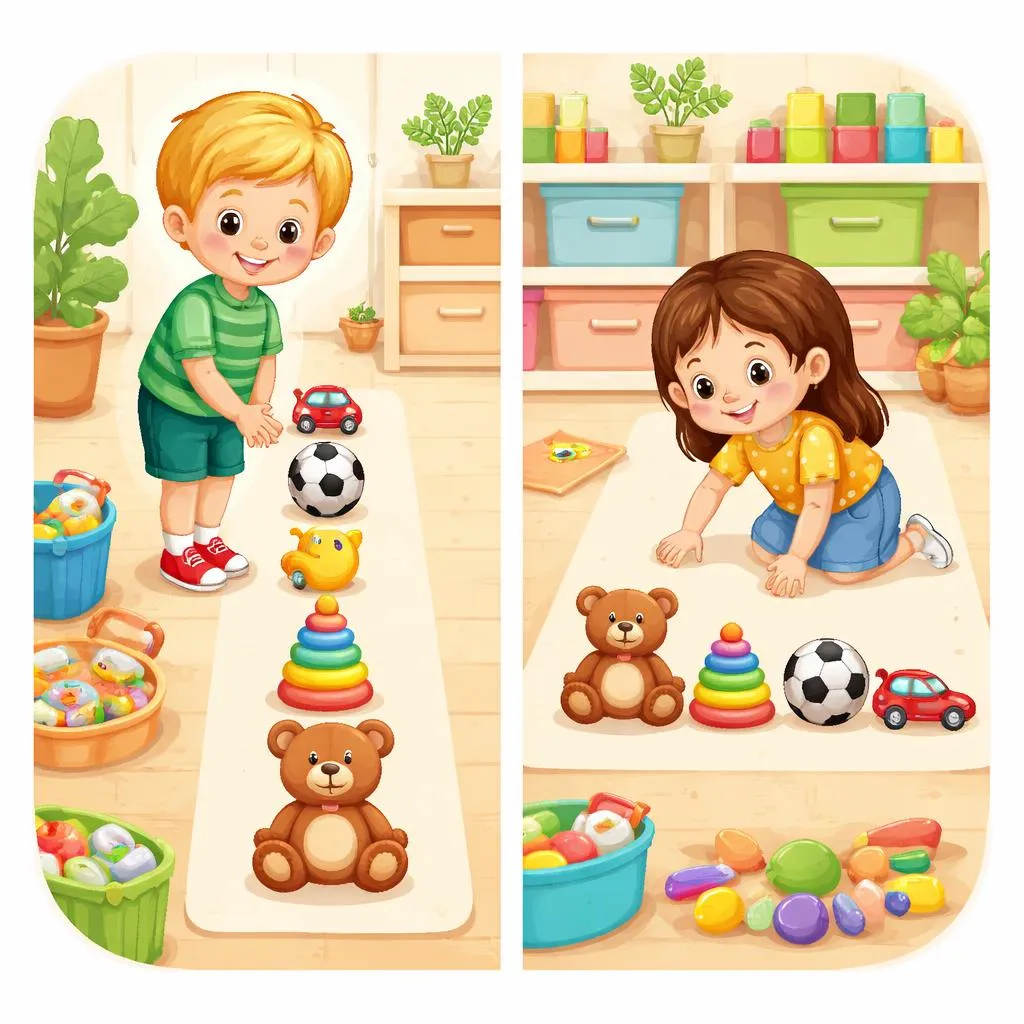

Children line up at school every day. They sit in rows during class. Parents hear kids say "stand in a line" and "sit in a row". These two phrases sound very similar. But they describe different arrangements. Knowing the difference between a "line to" and a "row to" helps children follow directions better. It also helps them describe the world around them. Let us explore these two helpful organizing words together.
What Do These Expressions Mean?
A "line to" means a group of things placed one after another. The items follow each other in a single path. For example, children stand behind each other. That is a line. A "row to" means a group of things placed side by side. The items sit next to each other horizontally. For example, chairs in a classroom sit side by side. That is a row. For a child, a line feels like a chain. Each link connects to the next. A row feels like a fence. The posts stand next to each other but not behind.
Think of ants walking. They follow one another. That is a line. Think of seats in a movie theater. They sit side by side. That is a row. Both arrange items neatly. Both create order from chaos. That is why the two expressions seem similar. Both tell you where to put things or people. But the direction changes everything. One goes front to back. The other goes left to right. Understanding this small difference prevents big confusion.
What's the Difference?
The main difference lies in direction and purpose. A "line to" emphasizes sequence. The first person goes first. The second person follows. Order matters. A line often moves somewhere. For example, a line at the water fountain moves forward. A "row to" emphasizes position. Everyone sits side by side. No one is ahead or behind. Order matters less. Rows stay still. For example, rows of desks face the teacher. Everyone sees the same board.
One is more about movement. The other is more about stillness. Think of a line as a string of beads. You pull the string, and beads follow in order. Think of a row as a shelf of books. Each book stands next to its neighbor. No book moves ahead of another. Another difference is how we use the words with prepositions. We stand "in a line". We sit "in a row". We form "a line" to wait. We arrange "rows" of chairs. These small word partners help children choose correctly.
When Do We Use Each One?
Use a "line to" when people or things need to take turns. At school, children form a line to go to lunch. The first person gets food first. Use a line for moving. At an amusement park, a line forms for a roller coaster. Use a line for writing too. We write on a line. Words sit on a line one after another. Lines help us know where one word ends and another begins.
Use a "row to" when people or things sit together facing the same direction. In a classroom, children sit in rows. All eyes face the teacher. Use a row for planting. A gardener plants seeds in straight rows. Each plant has space. Use a row for seating at events. A wedding has rows of chairs for guests. Everyone sees the bride and groom. Rows work best for stillness and shared focus.
Real-life situations mix both naturally. A teacher says "Stand in a line at the door." The class lines up. Then the teacher says "Walk to your seats and sit in rows." Children move from line formation to row formation. The line helped them leave the room in order. The rows help them learn together. Parents can point out lines at grocery stores. They can point out rows of cars in a parking lot. Each example teaches the difference without any lesson plan.
Example Sentences for Kids
Here are simple examples of a "line to":
"Please stand in a line behind your friend."
"The ants made a long line across the sidewalk."
"I drew a straight line with my ruler."
Here are simple examples of a "row to":
"We planted three rows of sunflowers in the garden."
"The theater had ten rows of red seats."
"Please put the crayons in a row by color."
Notice how the line examples show things following each other. The row examples show things sitting side by side. A line can be vertical or horizontal. A line of text goes across the page. But a line of people goes front to back. That is the tricky part. The word "line" changes based on what you describe. A row always stays side by side. That consistency helps children remember.
Common Mistakes to Avoid
Many children say "row" when they mean "line". They point to children waiting in a queue. They say "look at that row". That is not correct. The correct way is "look at that line". A line waits. A row sits. Teach your child to look at direction. If people face the back of the person in front, that is a line. If people face the same direction and sit side by side, that is a row.
Another mistake is using "line" for everything. A child says "a line of chairs" when the chairs sit side by side. That is acceptable but not precise. The better word is "row" for chairs that face a stage. The better word is "line" for chairs stacked behind each other. The difference feels small. But using the right word shows careful thinking. Praise your child when they notice the direction.
A third mistake is confusing written lines with rows of text. A page has lines of text. Each line goes across the page. Those lines are actually rows of words. But we never call them rows. We always call them lines. That is an exception. The correct way is to say "line of text" even though the words sit side by side. Language has special rules. Tell your child this is a grown-up quirk. They will feel smart knowing the exception.
Easy Memory Tips
Here is a simple trick. Imagine a "line to" as a single file of soldiers. Each soldier follows the next. Imagine a "row to" as a chorus line of dancers. They stand side by side holding hands. The soldiers move forward together. The dancers stay in place and kick. One is for moving. One is for standing.
Another tip uses the first letters. Line starts with L. Look at the letter L. It has one long straight stroke. That stroke goes up and down. A line of people goes front to back like the letter L turned sideways. Row starts with R. Look at the letter R. It has a straight line with a loop. The straight line is like the side-by-side seats. The loop is like the people sitting. Draw both letters with your child. Connect each letter to the arrangement. This visual trick works well for young minds.
Quick Practice Time
Try these simple exercises with your child.
Fill in the blank: Choose "line" or "row".
"Please stand in a __________ to wash your hands." (Answer: line)
"The library has __________ of bookshelves." (Answer: rows)
Multiple choice: Pick the correct description.
Which one do people form when they wait for a bus?
A) A row
B) A line
(Answer: B)
Which one describes seats in a movie theater?
A) A line
B) A row
(Answer: B)
These quick questions take only two minutes. They help children think about direction. Go to a parking lot. Ask your child to find a line of cars (one behind another). Then find a row of cars (side by side). That real-world practice locks the difference in their memory forever.
Wrap-up
The key difference is simple. A line puts things one behind another. A row puts things side by side. Both create beautiful order in our daily lives. Learning this difference helps children follow directions and describe what they see. Keep practicing at the grocery store, in the car, and at home. Your child will master lines and rows with confidence and joy.