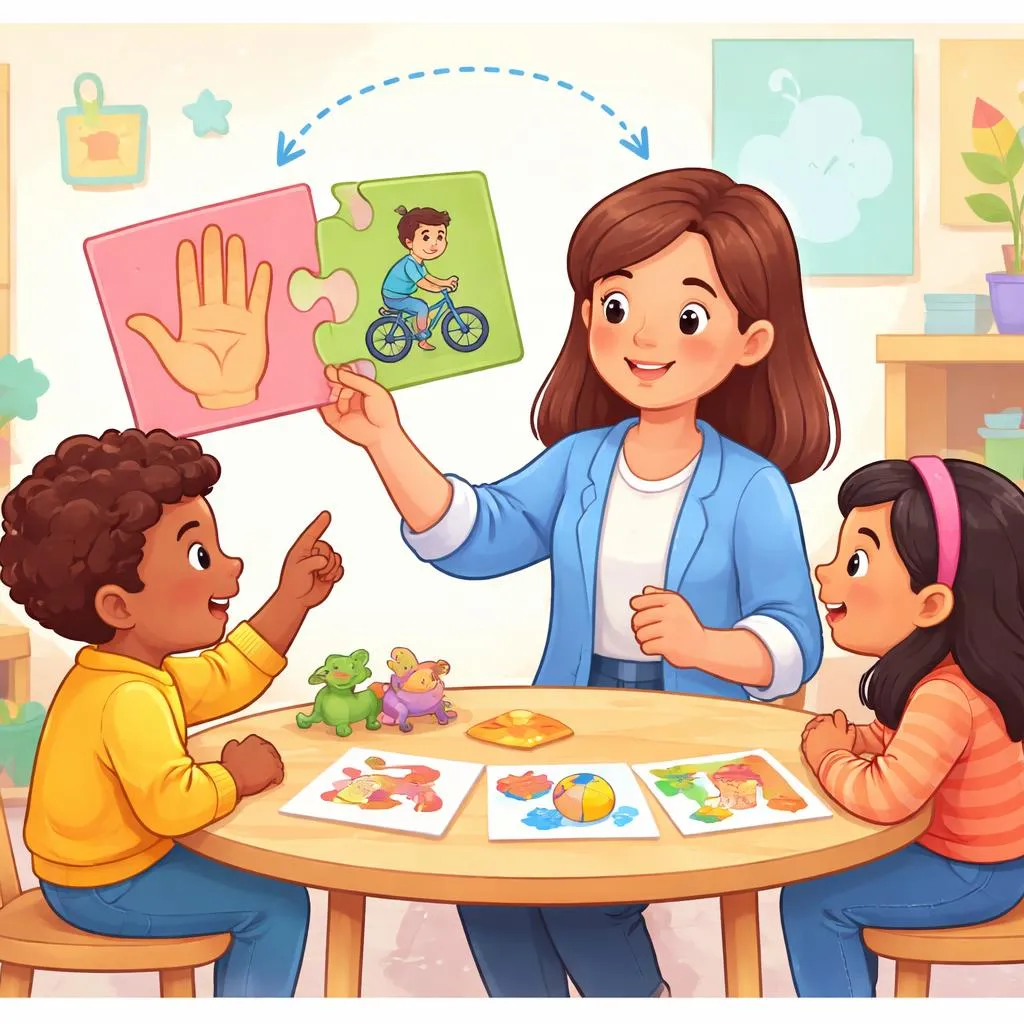

Hello, fellow educators! Welcome to another deep dive into a core part of English grammar. Today, we are focusing on a fundamental verb and its transformation: the connection between have and past tense. This concept is crucial for young learners. It helps them shift from describing the present to sharing stories about the past. Mastering the pair have and past tense builds a strong foundation for storytelling and conversation. Let's explore how to teach this in a clear, engaging, and effective way.
Meaning First, we must understand the verb "have" itself. In the present, "have" often shows possession or ownership. We use it to talk about what exists for us now. Think of sentences like, "I have a red ball" or "They have a big garden." It connects a person to an object, a feeling, or an idea. When we move to the past, we change the verb to show that this connection existed before, at a specific earlier time. This shift from "have" to its past tense form is a key step in a child's language development.
Conjugation Conjugation means changing the verb form to match the subject and the time. For the verb "have," this change is unique. It is an irregular verb. This means it does not simply add "-ed" to become past tense. We need to teach this as a special rule. The present tense conjugations are: I have, you have, he/she/it has, we have, they have. For the past tense, the conjugation is much simpler for all subjects: I had, you had, he/she/it had, we had, they had. This consistency in the past tense can be a relief for learners.
Present tense Let's solidify the present tense use of "have." We use it for things we own or experience right now. We often pair it with objects. "I have my lunchbox." "She has a new book." We also use it for family and friends. "We have a friendly teacher." "He has two brothers." Encourage learners to make sentences about items in the classroom. This practice makes the present tense real and immediate. It creates a strong baseline before we introduce the change to past tense.
Past tense Now, we introduce the past tense form: "had." This is the core of learning have and past tense. We use "had" to talk about possession or experiences that are finished. We explain that "had" is the word "have" went back in time. For example, "Yesterday, I had an apple for snack." "Last year, she had short hair." The key is to always link "had" with a past time clue word. Words like "yesterday," "last week," "this morning," or "when I was little" signal that we need to use "had," not "have."
Future tense Looking ahead, we can show how "have" works for future plans. We do not use "had" for the future. Instead, we use "will have" or "am going to have." This helps learners see the full timeline. For instance, "Tomorrow, I will have a soccer game." "Next week, we are going to have a party." Contrasting this with the past tense "had" clarifies the different roles. It shows that "had" is only for events completely finished in the past.
Questions Forming questions with have and past tense is an important skill. For the past tense, we often start questions with "Did." We then use the base form "have." The structure is: "Did" + [subject] + "have"? For example, "Did you have fun at the park?" "Did she have a dog when she was five?" The answer uses "had": "Yes, I had fun." or "No, she did not have a dog." Practicing this question-answer format builds conversational confidence.
Other uses The verb "have" does more than show possession. We also use it in past tense for experiences. "We had a great time!" "He had a headache." This describes a finished feeling or event. Another common use is in phrases like "have to," meaning necessity. Its past tense is "had to." "I had to finish my homework." Teaching these broader uses shows the versatility of have and past tense. It helps learners express a wider range of past ideas.
Learning tips A great tip is to use a visual timeline. Draw a line on the board. Mark "Past," "Now," and "Future." Write "had" in the past section with a picture of a yesterday's toy. Write "have/has" under "Now" with a current item. This visual separation reinforces the time concept. Another tip is consistent practice with time signal words. Always pair practice sentences with "yesterday," "last weekend," or "this morning" to trigger the use of "had."
Educational games "Time Travel Bag" is a fun game. Place an object in a bag. A learner pulls it out and says a present sentence: "I have a stuffed bear." Then, they put it back, pretend to time travel, and say a past sentence: "Yesterday, I had a stuffed bear." This physical action reinforces the tense change.
Play "Past Tense Detective." Show a picture of a child with a broken toy. Give clues using "had." "He had a blue car. He had it yesterday. Now, he does not have it. What happened?" Learners use their detective skills and the past tense verb to create a story. This game encourages creative use of have and past tense in a narrative context.
Understanding the journey from have to past tense is like getting a key to the past. It allows young learners to unlock memories, share stories, and connect their experiences. By teaching "had" clearly and practicing it in joyful, game-based ways, we build more than grammar. We build a child's ability to communicate their own little history. Keep the activities positive, celebrate each correct "had," and watch their confidence in English grow one past story at a time.