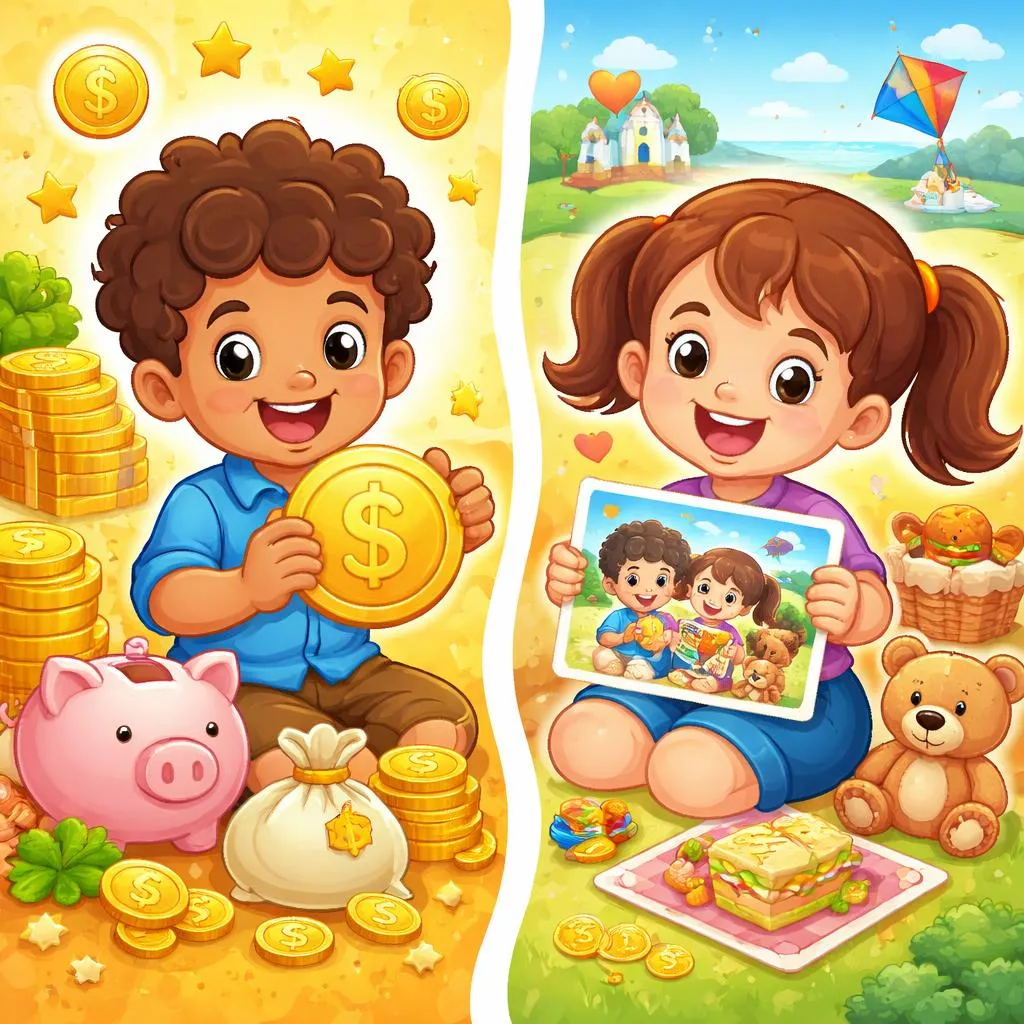

Children ask questions about value. They wonder how much their old toys could sell for. They know that some things feel precious even without a price. Parents hear kids say, "What is this coin worth?" or "This drawing is valuable to me." These two words seem similar. But they describe different kinds of importance. Knowing the difference between a "worth to" and a "valuable to" helps children understand money and feelings. Let us explore these two important words together.
What Do These Expressions Mean?
A "worth to" means the monetary value of something. Worth is a number. It is what someone would pay for an item. For example, a gold ring is worth one hundred dollars. An old comic book might be worth fifty dollars. A "valuable to" means having great importance, usefulness, or emotional meaning. Valuable can be about money, but it is often about feelings or usefulness. For example, a friend's help is valuable. A good night's sleep is valuable. For a child, worth feels like a price tag. Valuable feels like something you treasure.
Both are about how much something matters. That is why the two expressions seem similar. Worth is almost always about money. Valuable can be about money, feelings, or usefulness. Understanding this difference helps children know that not everything precious can be bought or sold.
What's the Difference?
The main difference lies in money versus meaning. A "worth to" is specifically about money. It answers "How many dollars?" A "valuable to" can be about money, but it also includes emotional importance and practical usefulness. One is narrow. The other is broad. Think of worth as the number on a price tag at a store. That number tells you what the owner wants in dollars. Think of valuable as a warm feeling you get from a handmade gift. The gift might have no price. But it is valuable to you because a friend made it.
Another difference is that worth is usually for things you can sell. Valuable applies to things, people, skills, time, and ideas. "Honesty is valuable." "She is a valuable team member." "Learning to read is valuable." You would not say "Honesty is worth fifty dollars." That sounds strange. This difference helps children use the words in richer ways.
When Do We Use Each One?
Use a "worth to" when talking about money or selling. At a yard sale, a child asks "How much is this toy worth?" Use worth for estimates. "The old phone is worth about twenty dollars." Use worth for comparisons. "Is this bike worth more than that one?" Use worth for financial decisions. Worth is for your wallet. It is about numbers and transactions.
Use a "valuable to" for emotional or practical importance. At home, a child says "Grandma's recipe book is valuable to our family." Use valuable for usefulness. "A good night's sleep is valuable before a big test." Use valuable for skills. "Learning to spell is valuable for writing." Use valuable for people. "You are a valuable member of our team." Valuable is for your heart and your mind, not just your wallet.
Real-life situations use both naturally. A parent says "This old watch is not worth much money. Maybe five dollars. But it is valuable to me because it belonged to my grandfather. The worth is five dollars. The value is in the memories." Another example: a child has a rock collection. The rocks are not worth money. But learning about rocks is valuable. The knowledge is valuable. The rocks themselves have no worth. Understanding this difference helps children appreciate non-material treasures.
Example Sentences for Kids
Here are simple examples of a "worth to":
"This baseball card is worth five dollars."
"I wonder what my old skateboard is worth."
"The ring is worth more than the necklace."
Here are simple examples of a "valuable to":
"Your help with my homework was very valuable."
"A good friend is more valuable than any toy."
"Sleep is valuable for your health and growth."
Notice how the worth examples are about money, selling, and numbers. The valuable examples are about help, friendship, health, and learning. Worth is for the store. Valuable is for life. A thing can have no worth but be incredibly valuable. A thing can have high worth but no value to you personally.
Common Mistakes to Avoid
Many children say "worth" when they mean "valuable". They say "This memory is worth so much to me." That is common in casual talk. But the correct way is to say "This memory is valuable to me." Worth is for money. Valuable is for feelings. Saving worth for money helps children be more precise. It also helps them understand that not everything important has a price.
Another mistake is thinking valuable always means expensive. A child says "If it is not expensive, it is not valuable." That is not correct. The correct way is to know that valuable means important or useful. A library book is valuable for learning. It is not expensive. A free hug is valuable. A kind word is valuable. This understanding helps children see wealth in non-money forms.
A third mistake is forgetting that worth can change. A child says "Worth is always the same." That is not true. The correct way is to know that worth goes up and down. A toy's worth drops after you open it. A collectible's worth rises if many people want it. Value also changes. A gift becomes more valuable over time as memories attach to it. Both words describe things that can grow or shrink.
Easy Memory Tips
Here is a simple trick. Imagine a "worth to" as a price tag hanging from an item. The tag has a dollar sign and a number. That is worth. Imagine a "valuable to" as a warm, glowing heart. The heart shines with love, friendship, and meaning. That is valuable. So worth = price tag (money). Valuable = glowing heart (feelings and usefulness). This comparison works beautifully.
Another tip uses the first letters. Worth starts with W. Think of "W for Wallet money." Worth is about wallet money. Valuable starts with V. Think of "V for Very important in life." Valuable is very important in life, not just in money. Practice with your child. Ask "Is this about money or about feelings/usefulness?" If money, say worth. If feelings or usefulness, say valuable. This question works for almost every situation.
Quick Practice Time
Try these simple exercises with your child.
Fill in the blank: Choose "worth" or "valuable".
"This old toy might be __________ five dollars at a garage sale." (Answer: worth)
"Learning to be kind is a __________ skill that helps you make friends." (Answer: valuable)
Multiple choice: Pick the correct description.
Which one means monetary value, what something could sell for in dollars?
A) Valuable
B) Worth
(Answer: B)
Which one means having great importance, usefulness, or emotional meaning, not necessarily about money?
A) Worth
B) Valuable
(Answer: B)
These quick questions take only two minutes. They help children separate monetary worth from emotional or practical value. Look around your home. Ask your child "What is worth money?" Then ask "What is valuable to you for feelings or usefulness?" That real practice builds financial literacy and emotional intelligence together.
Wrap-up
The key difference is simple. Worth is about monetary value, what something could sell for in dollars. Valuable is about having great importance, usefulness, or emotional meaning, whether or not money is involved. Learning this difference helps children appreciate that the most valuable things in life often have no price tag. Keep learning what things are worth. Keep treasuring what is valuable to you. Your child will grow up rich in both financial sense and heart sense.