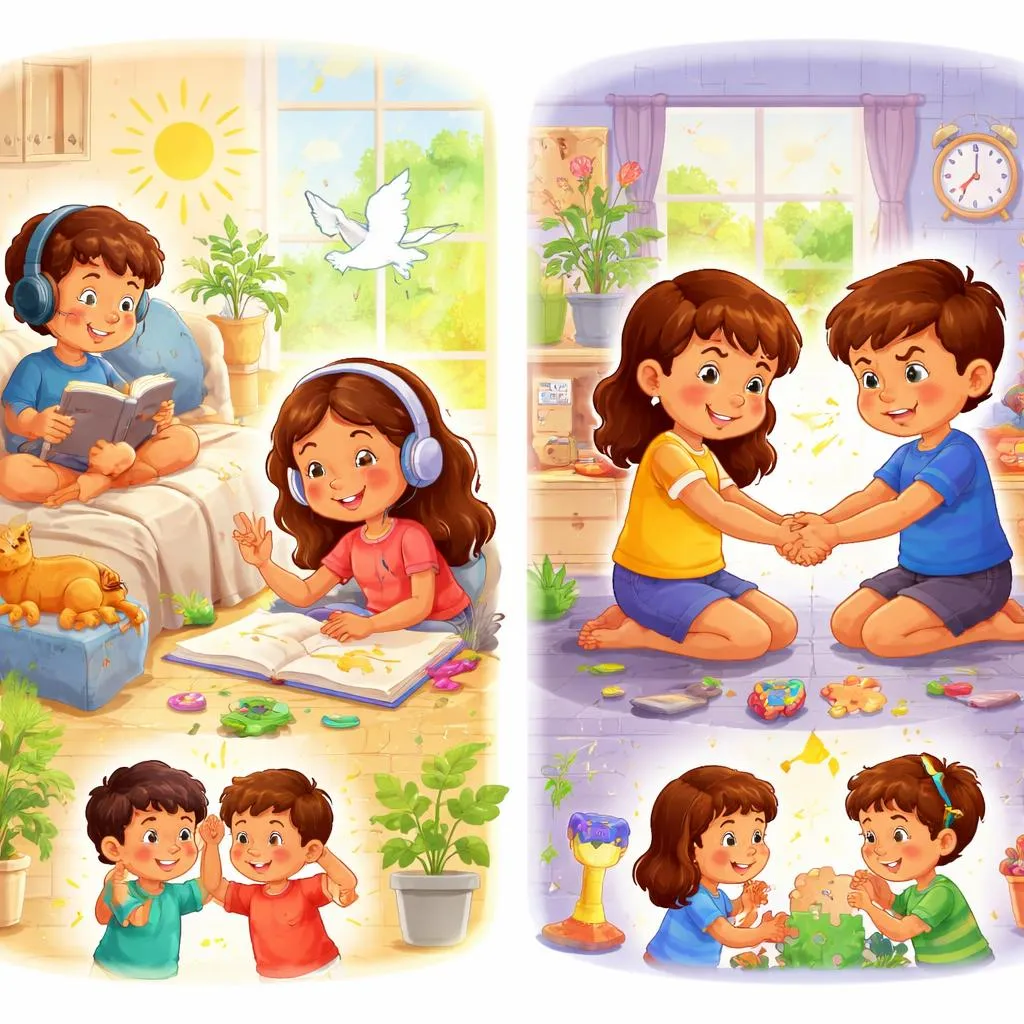

Children know what it feels like to be calm. They also know what it feels like to stop a fight. Parents hear kids say, "I just want peace" or "We called a truce". These two words seem similar. But they describe different kinds of calm. Knowing the difference between a "peace to" and a "truce to" helps children understand how to end disagreements. Let us explore these two hopeful words together.
What Do These Expressions Mean?
A "peace to" means a state of calm and no fighting. Peace lasts a long time. People feel safe and happy. For example, a family living without arguments has peace. Countries that are not at war have peace. A "truce to" means a temporary stop in fighting. A truce is an agreement to pause. Fighting can start again later. For example, two kids agree to stop arguing for one hour. That is a truce. For a child, peace feels like a long, happy summer vacation.
A truce feels like a five-minute break during a game. Both mean no fighting. That is why the two expressions seem similar. Both are better than fighting. But peace is permanent and happy. A truce is temporary and careful. Understanding this difference helps children aim for real peace, not just short breaks in fighting.
What's the Difference?
The main difference lies in how long it lasts and how it feels. A "peace to" lasts a long time. People trust each other. There is no anger underneath. A "truce to" is short. People still feel angry. They just agree to stop fighting for now. One is about true friendship and calm. The other is about taking a break from a fight. Think of peace as a warm, cozy blanket you sleep under all night. You feel safe and comfortable. Think of a truce as putting your hands up and saying "time out" for five minutes. You are still mad. You are just resting.
Another difference is how they start. Peace grows slowly. People forgive each other. They learn to get along. A truce happens quickly. Someone says "let us stop for now." No forgiveness needed. Just a pause. This difference helps children see that truces are easier but peace is better. A truce stops the fighting. Peace stops the anger.
When Do We Use Each One?
Use a "peace to" when fighting is completely over. At home, a child says "There is finally peace between me and my brother." Use peace for countries. "The two nations signed a peace treaty." Use peace for inner calm. "I feel at peace when I read a book." Use peace for long-term harmony. Peace is the goal. It is what everyone wants. It means no more fighting, ever.
Use a "truce to" for a short break in fighting. On the playground, a child says "Let us call a truce and share the ball." Use truce for siblings. "We agreed to a truce for the rest of the car ride." Use truce for games. "The two teams called a truce to get water." Use truce when people are still angry but need a break. A truce is not forever. It is just for now. It helps people cool down.
Real-life situations use both naturally. A parent says "You and your sister have been arguing all morning. Let us call a truce for one hour. No arguing during lunch. After lunch, we will talk about the problem. A truce is a break. What we really want is peace in our home. Peace means no more fighting at all." Another example: two friends have a conflict. They call a truce to finish a group project. After the project, they go back to arguing. That is a truce. If they solve their problem and become friends again, that is peace.
Example Sentences for Kids
Here are simple examples of a "peace to":
"The whole family enjoyed an evening of peace and quiet."
"After years of war, the countries finally made peace."
"I feel peace when I sit outside and listen to the birds."
Here are simple examples of a "truce to":
"The two brothers called a truce so they could finish dinner."
"Let us have a truce for the next ten minutes."
"The soldiers agreed to a truce on Christmas Day."
Notice how the peace examples talk about lasting calm and happiness. The truce examples talk about short breaks during ongoing conflict. A truce is a pause button. Peace is the end of the movie. Both are good. But peace is much better. Truces help people stop fighting long enough to find peace.
Common Mistakes to Avoid
Many children say "peace" when they mean "truce". They say "We made peace" after a five-minute break. The correct way is to say "We called a truce" if they might fight again later. Peace means the fighting is truly over. If the same argument happens tomorrow, it was not peace. It was just a truce. This distinction helps children be honest about their relationships.
Another mistake is thinking a truce is weak. A child says "Truces are for people who cannot solve problems." That is not correct. The correct way is to know that truces are helpful. They give angry people time to cool down. After a truce, people can talk calmly and find real peace. Truces are the first step. You cannot have peace without sometimes starting with a truce. So truces are smart, not weak.
A third mistake is forgetting that peace starts inside you. A child thinks peace is only about other people. The correct way is to know that you can have inner peace even when others are fighting. You can feel calm inside your heart. That is personal peace. It does not depend on anyone else. This is a powerful lesson for children. They can choose peace inside themselves even when the world around them is loud.
Easy Memory Tips
Here is a simple trick. Imagine a "peace to" as a long, quiet afternoon with no homework and no fighting. You read a book. You pet the dog. Everything is calm. Imagine a "truce to" as a referee blowing a whistle and saying "time out" in the middle of a basketball game. The players stop for a minute. Then they play again. So peace = quiet afternoon. Truce = time out. This sports comparison works wonderfully for children.
Another tip uses the first letters. Peace starts with P. Think of "P for Permanent." Peace is permanent. Truce starts with T. Think of "T for Temporary." A truce is temporary. Practice with your child. Ask "Will the fighting stop forever or just for a while?" If forever, say peace. If just for a while, say truce. This question works for every situation from siblings to countries.
Quick Practice Time
Try these simple exercises with your child.
Fill in the blank: Choose "peace" or "truce".
"The two friends called a __________ so they could finish their game without arguing." (Answer: truce)
"After years of fighting, the countries finally signed a __________ treaty." (Answer: peace)
Multiple choice: Pick the correct description.
Which one is a temporary stop in fighting, with no guarantee the fight will not start again?
A) Peace
B) A truce
(Answer: B)
Which one is a lasting state of calm and no fighting, often with forgiveness and happiness?
A) A truce
B) Peace
(Answer: B)
These quick questions take only two minutes. They help children see the difference between a pause and a permanent solution. Think of a recent argument at home. Ask your child "Did we have a truce or did we find peace?" That real practice builds emotional intelligence and vocabulary together.
Wrap-up
The key difference is simple. Peace is a lasting state of calm with no fighting. A truce is a temporary break in fighting that can start again. Learning this difference helps children solve disagreements wisely. Truces give people space to cool down. Peace is the beautiful goal. Keep calling truces when arguments get hot. Keep working toward lasting peace in your home. Your child will learn that every truce can be a first step toward a more peaceful life.