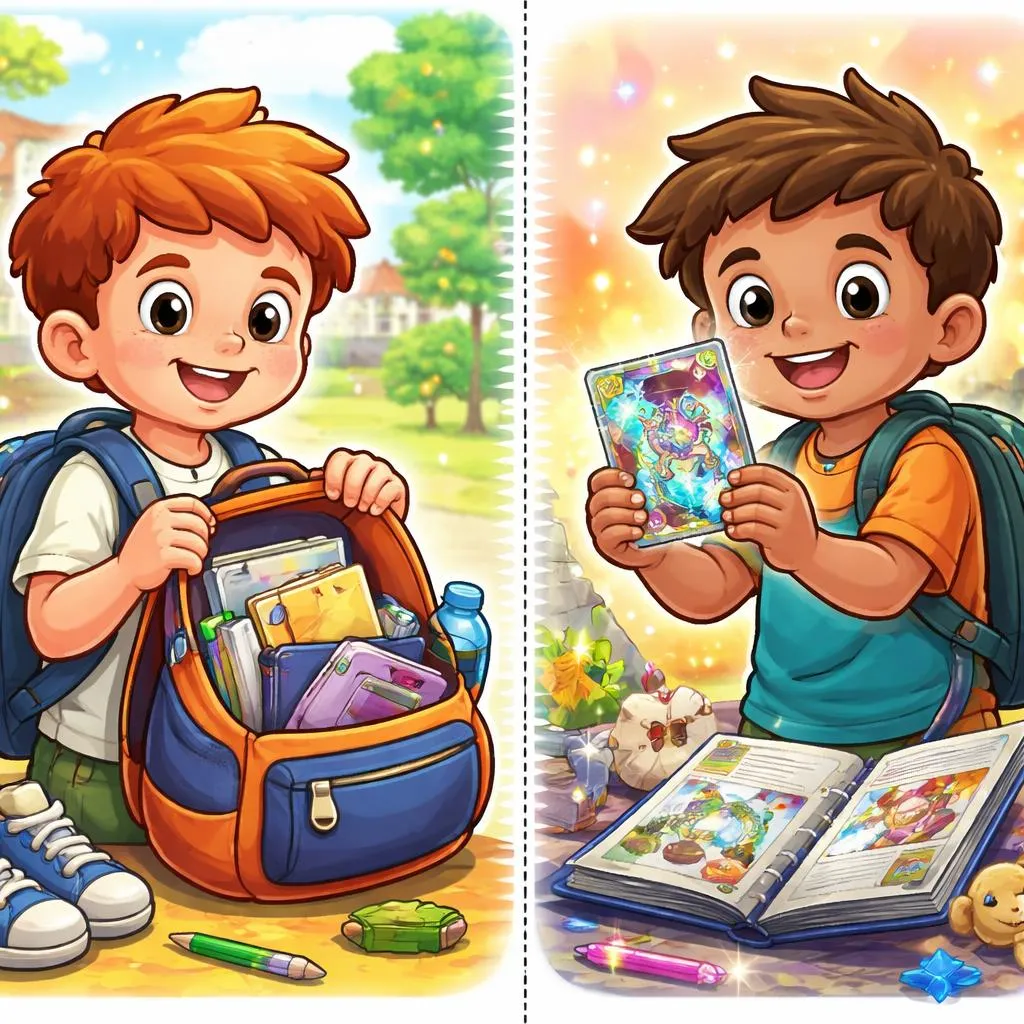

Children collect many things. They have backpacks, toys, and clothes. Parents hear kids say, "I have a new pencil case" or "I possess a rare coin". These two words seem very close. But they describe different ways of owning things. Knowing the difference between a "have to" and a "possess to" helps children talk about what belongs to them. Let us explore these two ownership words together.
What Do These Expressions Mean?
A "have to" means to hold, keep, or own something. Have is a common word. It can mean holding in your hand, keeping in your room, or owning legally. For example, you have a book. You have a pet. You have a family. A "possess to" means to own something, often with a sense of control or formality. Possess is stronger and more formal. It often implies legal ownership or special control. For example, you possess a driver's license. You possess a rare stamp collection. For a child, have feels like everyday holding.
Possess feels like something special or official. Both are about ownership. That is why the two expressions seem similar. Have is the everyday word. Possess is the fancy, formal word. You can have a cookie. You would not say you possess a cookie unless you were being funny or very formal. Understanding this difference helps children choose the right word for the right situation.
What's the Difference?
The main difference lies in formality and intensity. A "have to" is neutral and common. You can use have for almost anything you own or hold. A "possess to" is formal and stronger. It suggests control, value, or legal ownership. Think of have as carrying a sandwich in your lunchbox. It is yours. No big deal. Think of possess as owning a treasure chest with a lock. The treasure is valuable. You guard it. Possess feels more serious.
Another difference is what kind of things each word pairs with. Have works with everything. Possess sounds strange with everyday items. "I possess a toothbrush" sounds very odd. Possess is for items that are special, valuable, or legally important. This difference helps children avoid awkward sentences. Use have for daily life. Use possess for special contexts like forms, stories, or formal writing.
When Do We Use Each One?
Use a "have to" for everyday ownership. At home, a child says "I have a red backpack." Use have for body parts. "I have two hands." Use have for relationships. "I have a brother." Use have for possessions of all kinds. "We have a dog." Have is the go-to word for talking about what belongs to you. It is never wrong. It is always friendly and natural.
Use a "possess to" for formal or special ownership. In a school report, a child writes "The museum possesses a famous painting." Use possess for legal documents. "He possesses a passport." Use possess for rare or valuable items. "She possesses a coin from ancient Rome." Use possess for qualities or traits. "He possesses great patience." Possess is not for daily talk. Save it for when you want to sound official, serious, or dramatic.
Real-life situations use both naturally. A parent says "You have many toys in your room. You possess a few special ones that are very valuable or have sentimental meaning. For example, you have a box of crayons. But you possess the silver dollar Grandma gave you. The crayons you use every day. The silver dollar is special." Another example: a child says "I have a library card." That is fine. But the card says "The holder possesses borrowing privileges." The library uses possess because it is a formal rule.
Example Sentences for Kids
Here are simple examples of a "have to":
"I have three pencils in my case."
"She has a new bicycle with training wheels."
"We have a fish tank in the living room."
Here are simple examples of a "possess to":
"The queen possesses many precious jewels."
"He possesses a rare talent for drawing."
"The document states that you must possess a valid ticket."
Notice how the have examples are about everyday items and relationships. The possess examples are about rare things, formal situations, or special abilities. You can have a snack. You might possess a championship trophy. The trophy is special. The snack is just a snack. That is the feeling difference.
Common Mistakes to Avoid
Many children use "possess" for everything because it sounds smart. They say "I possess a sandwich." That is not wrong, but it sounds silly. The correct way is to use have for everyday things. Possess is for formal or special contexts. Using possess for a sandwich is like wearing a tuxedo to the playground. It fits, but it is too fancy. This helps children match their language to the situation.
Another mistake is thinking possess means you own something permanently. A child says "If I possess a toy, no one can ever take it." That is not true. The correct way is to know that possess means ownership or control at this moment. You can possess something that is borrowed. You can possess something that will be taken away. Possess is about current control, not forever. This nuance helps children understand legal and formal language.
A third mistake is forgetting that you can possess qualities, not just objects. A child says "You cannot possess kindness because it is not a thing." The correct way is to know that possess can mean having a quality or trait. "She possesses a kind heart" is beautiful English. This meaning helps children describe people's characters in a more vivid way. It is a great word for writing stories.
Easy Memory Tips
Here is a simple trick. Imagine a "have to" as your pocket. You put your keys, your snack, and a small toy in your pocket. These are everyday things. Imagine a "possess to" as a locked safe in the bank. Inside the safe is a gold coin and your birth certificate. These are valuable and important. So have = pocket (everyday). Possess = safe (special). This comparison works beautifully.
Another tip uses the first letters. Have starts with H. Think of "H for Hand." You can hold many things in your hand every day. Possess starts with P. Think of "P for Precious or Paperwork." Possess is for precious items or formal paperwork. Practice with your child. Ask "Is this item special, valuable, or part of a formal rule?" If yes, possess might fit. If not, use have. This question helps children make good word choices.
Quick Practice Time
Try these simple exercises with your child.
Fill in the blank: Choose "have" or "possess".
"I __________ a water bottle in my backpack every day." (Answer: have)
"The museum __________ a collection of ancient Egyptian artifacts." (Answer: possesses)
Multiple choice: Pick the correct description.
Which one is the everyday, neutral word for owning or holding something?
A) Possess
B) Have
(Answer: B)
Which one is more formal and often used for valuable, rare, or legally important items?
A) Have
B) Possess
(Answer: B)
These quick questions take only two minutes. They help children see the formality difference. Look around your room. Ask your child to name three things they have (everyday). Then ask what special thing they possess (valuable or formal). That real practice builds vocabulary and self-awareness together.
Wrap-up
The key difference is simple. Have is the everyday word for owning or holding anything. Possess is a more formal word, often used for valuable, rare, or legally important items. Learning this difference helps children speak naturally in daily life and write formally when needed. Keep using have for your snacks and pencils. Save possess for treasure, talents, and official papers. Your child will learn that both words are useful, but each has its own special job.