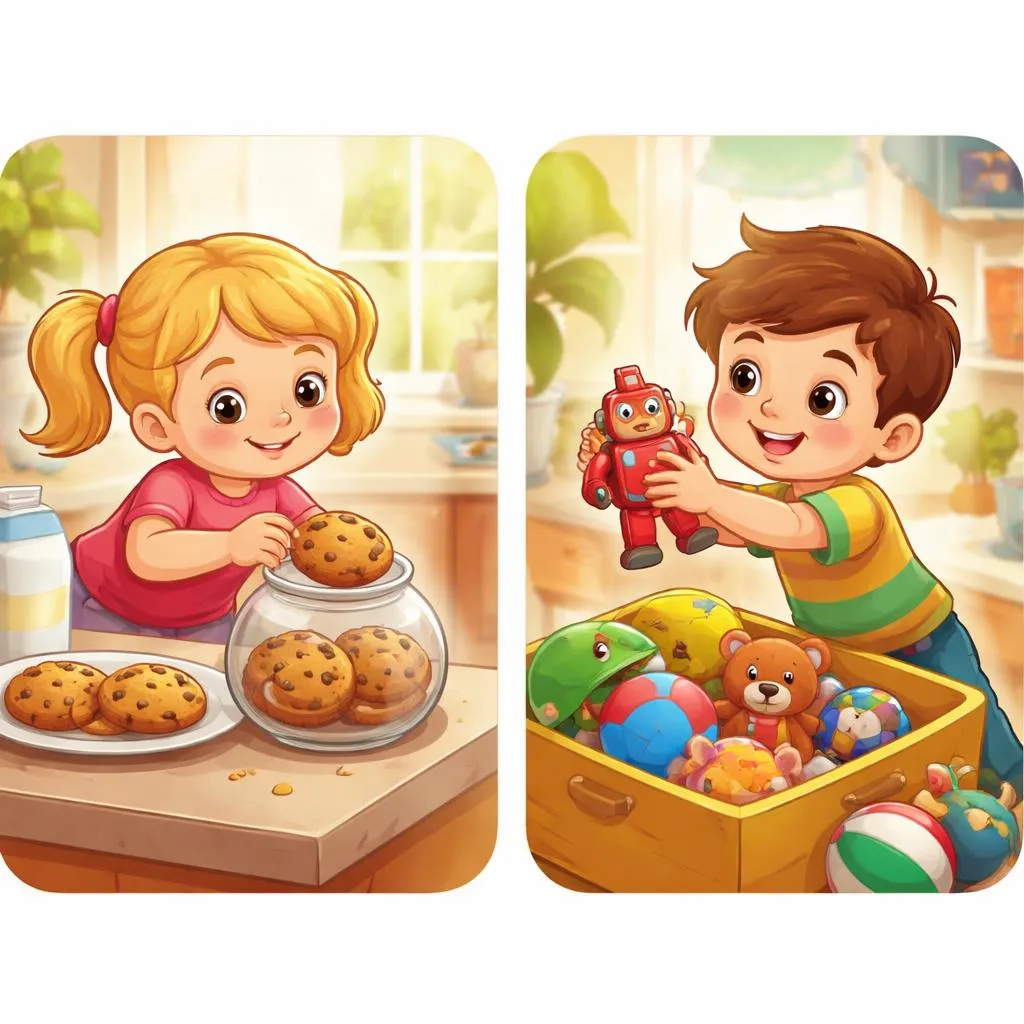

Children reach for things every day. They take a cookie from a plate. They grab a toy from a shelf. Parents hear kids say, "I took a pencil" or "He grabbed my arm". These two words seem very close. But they describe different kinds of reaching and getting. Knowing the difference between a "take to" and a "grab to" helps children describe their actions clearly. Let us explore these two action words together.
What Do These Expressions Mean?
A "take to" means to reach for something and get it, usually gently or normally. Taking is a common, neutral action. You take a book from the library. You take a sip of water. A "grab to" means to reach for something quickly and often with force. Grabbing is faster and sometimes more aggressive. You grab a falling cup. You grab a friend's hand to cross the street. For a child, taking feels like normal, everyday reaching. Grabbing feels like a sudden, quick movement.
Both are about getting something with your hand. That is why the two expressions seem similar. Taking is the general word. Grabbing is a specific kind of taking that is fast and sometimes rough. Understanding this difference helps children choose the right word for how they reach and get things.
What's the Difference?
The main difference lies in speed and force. A "take to" is usually gentle and normal speed. You take a crayon from the box. A "grab to" is fast and often uses more force. You grab a rail when you trip. One is calm. The other is urgent. Think of taking as picking a flower gently. You hold the stem. You pull softly. Think of grabbing as catching a ball flying toward your face. Your hand moves fast. You hold tight. The feeling is completely different.
Another difference is about permission. Taking often implies permission or normalcy. You take your own snack. Grabbing can imply urgency or even rudeness. "He grabbed the last cookie before I could" sounds pushy. This difference helps children understand social situations. Taking is polite. Grabbing can be rude unless it is an emergency.
When Do We Use Each One?
Use a "take to" for normal, everyday getting. At home, a child says "I will take a plate for dinner." Use take for choosing. "Take any book you like." Use take for receiving. "Please take this gift." Take is polite and calm. You take things all day long. You take a breath. You take a step. You take a seat. Take is friendly and never too strong.
Use a "grab to" for quick, urgent, or forceful getting. On the playground, a child says "I grabbed the swing before anyone else." Use grab for emergencies. "She grabbed my arm as she slipped." Use grab for fast actions. "He grabbed his backpack and ran for the bus." Use grab when speed matters. Grab feels urgent. It is not rude if there is a good reason. Grabbing a falling glass is good. Grabbing a toy from a friend is not good.
Real-life situations use both naturally. A parent says "You can take a cookie from the plate nicely. Use your fingers gently. That is taking. If you snatch it fast because you are afraid your brother will take it first, that is grabbing. Grabbing can look rude. Taking looks polite. Try to take, not grab." Another example: a child sees a sale at a store. People grab items quickly. That is grabbing. The same child takes a book from the library shelf. That is taking. One is fast and competitive. One is calm and normal.
Example Sentences for Kids
Here are simple examples of a "take to":
"Please take one sticker from the sheet."
"I will take my lunchbox to school."
"Take a deep breath before you speak."
Here are simple examples of a "grab to":
"He grabbed the rope to keep from falling."
"She grabbed her coat and ran outside."
"The cat grabbed the toy mouse with its paws."
Notice how the take examples are calm, normal, and often polite. The grab examples are fast, urgent, or forceful. You can take something gently. You grab something quickly. Taking is like walking. Grabbing is like sprinting. Both get you where you want to go, but the feeling is very different.
Common Mistakes to Avoid
Many children say "grab" for everyday taking. They say "I grabbed a spoon" when they mean "I took a spoon." That is not wrong, but it sounds a little rough. The correct way is to use take for normal, calm actions. Save grab for when speed or force matters. Using grab too often makes a child sound aggressive, even when they are not. This is a social skill as much as a vocabulary skill.
Another mistake is thinking grabbing is always bad. A child says "I should never grab anything." The correct way is to know that grabbing is good in emergencies. Grab a friend who is about to fall. Grab a hot pan with a mitt. Grabbing is for quick, important moments. It is not bad. It is just different. The key is knowing when to grab and when to take.
A third mistake is forgetting that you can grab things nicely. A child says "You cannot grab nicely." That is not true. The correct way is to know that grab means fast and firm, but it can still be kind. You can grab someone's hand to help them up. That is nice grabbing. The word describes the speed and firmness, not the intention. This nuance helps children see that context matters more than the word alone.
Easy Memory Tips
Here is a simple trick. Imagine a "take to" as picking a flower from a garden. You bend down slowly. You hold the stem gently. You lift it carefully. Imagine a "grab to" as catching a falling phone. Your hand shoots out. You grip tight. You save the phone. So take = slow and gentle. Grab = fast and firm. This comparison works beautifully.
Another tip uses the first letters. Take starts with T. Think of "T for Take your time." Taking is not rushed. Grab starts with G. Think of "G for Go fast." Grabbing is quick. Practice with your child. Ask "Is this action slow and gentle or fast and firm?" If slow and gentle, say take. If fast and firm, say grab. This question works for almost every situation.
Quick Practice Time
Try these simple exercises with your child.
Fill in the blank: Choose "take" or "grab".
"Please __________ a seat at the table for dinner." (Answer: take)
"He __________ the ball before it rolled into the street." (Answer: grabbed)
Multiple choice: Pick the correct description.
Which one is calm, normal, and often polite, for everyday getting?
A) Grab
B) Take
(Answer: B)
Which one is fast, forceful, and often urgent, for quick actions?
A) Take
B) Grab
(Answer: B)
These quick questions take only two minutes. They help children see the speed and force difference. Practice with a pillow. Ask your child to take it gently. Then ask them to grab it quickly. Feel the difference. That real practice builds vocabulary and body awareness together.
Wrap-up
The key difference is simple. Take means to get something gently and normally, often with calm and permission. Grab means to get something quickly and firmly, often with urgency or force. Learning this difference helps children describe their actions accurately and understand social cues about polite versus urgent behavior. Keep practicing taking and grabbing with everyday objects. Your child will learn that both actions have their place, but knowing when to use each one makes all the difference.