
Phileas Fogg rightly suspected that his departure from London would create a lively sensation at the West End. The news of the bet spread through the Reform Club, and afforded an exciting topic of conversation to its members. From the club it soon got into the papers throughout England. The boasted "tour of the world" was talked about, disputed, argued with as much warmth as if the subject were another Alabama claim. Some took sides with Phileas Fogg, but the large majority shook their heads and declared against him; it was absurd, impossible, they declared, that the tour of the world could be made, except theoretically and on paper, in this minimum of time, and with the existing means of travelling. The Times, Standard, Morning Post, and Daily News, and twenty other highly respectable newspapers scouted Mr. Fogg's project as madness; the Daily Telegraph alone hesitatingly supported him. People in general thought him a lunatic, and blamed his Reform Club friends for having accepted a wager which betrayed the mental aberration of its proposer.
Articles no less passionate than logical appeared on the question, for geography is one of the pet subjects of the English; and the columns devoted to Phileas Fogg's venture were eagerly devoured by all classes of readers. At first some rash individuals, principally of the gentler sex, espoused his cause, which became still more popular when the Illustrated London News came out with his portrait, copied from a photograph in the Reform Club. A few readers of the Daily Telegraph even dared to say, "Why not, after all? Stranger things have come to pass."
At last a long article appeared, on the 7th of October, in the bulletin of the Royal Geographical Society, which treated the question from every point of view, and demonstrated the utter folly of the enterprise.
Everything, it said, was against the travellers, every obstacle imposed alike by man and by nature. A miraculous agreement of the times of departure and arrival, which was impossible, was absolutely necessary to his success. He might, perhaps, reckon on the arrival of trains at the designated hours, in Europe, where the distances were relatively moderate; but when he calculated upon crossing India in three days, and the United States in seven, could he rely beyond misgiving upon accomplishing his task? There were accidents to machinery, the liability of trains to run off the line, collisions, bad weather, the blocking up by snow—were not all these against Phileas Fogg? Would he not find himself, when travelling by steamer in winter, at the mercy of the winds and fogs? Is it uncommon for the best ocean steamers to be two or three days behind time? But a single delay would suffice to fatally break the chain of communication; should Phileas Fogg once miss, even by an hour; a steamer, he would have to wait for the next, and that would irrevocably render his attempt vain.
This article made a great deal of noise, and, being copied into all the papers, seriously depressed the advocates of the rash tourist.
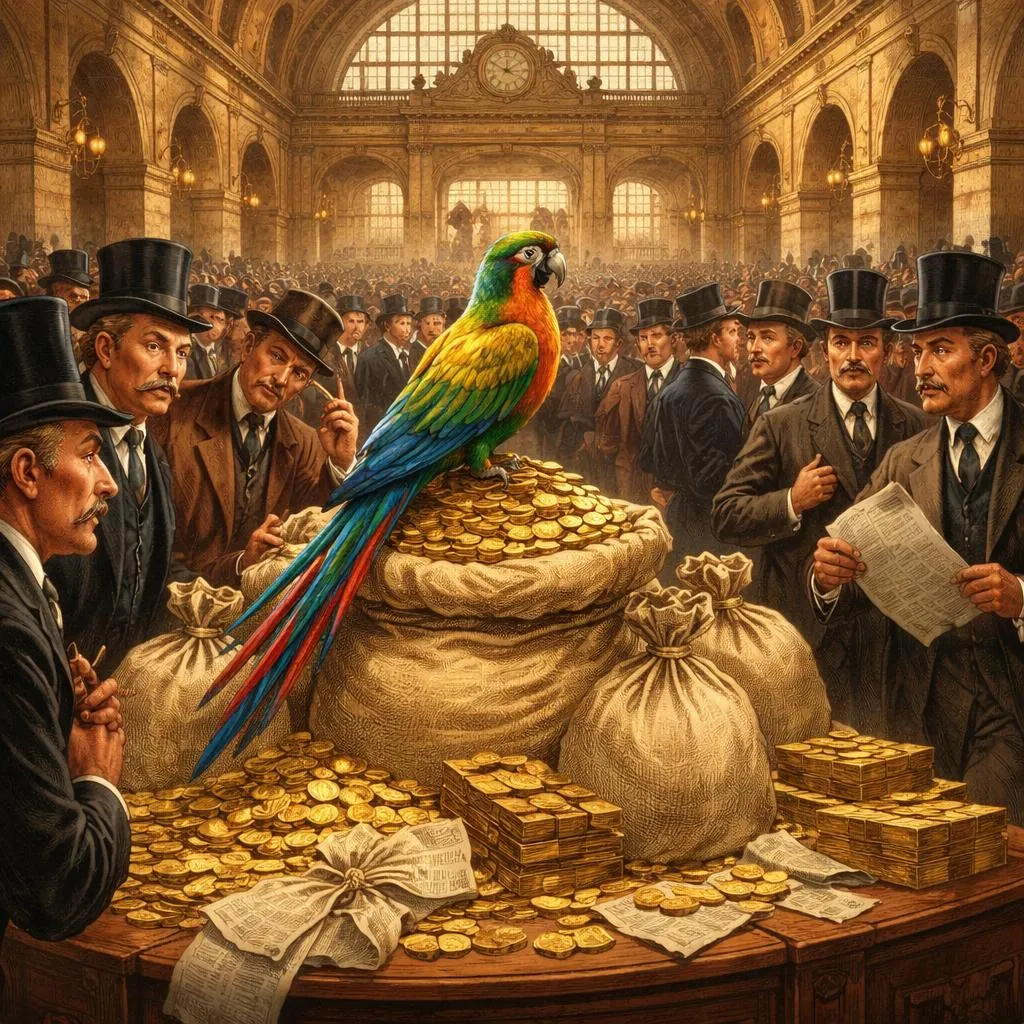
Everybody knows that England is the world of betting men, who are of a higher class than mere gamblers; to bet is in the English temperament. Not only the members of the Reform, but the general public, made heavy wagers for or against Phileas Fogg, who was set down in the betting books as if he were a race–horse. Bonds were issued, and made their appearance on 'Change; "Phileas Fogg bonds" were offered at par or at a premium, and a great business was done in them. But five days after the article in the bulletin of the Geographical Society appeared, the demand began to subside: "Phileas Fogg" declined. They were offered by packages, at first of five, then of ten, until at last nobody would take less than twenty, fifty, a hundred!
Lord Albemarle, an elderly paralytic gentleman, was now the only advocate of Phileas Fogg left. This noble lord, who was fastened to his chair, would have given his fortune to be able to make the tour of the world, if it took ten years; and he bet five thousand pounds on Phileas Fogg. When the folly as well as the uselessness of the adventure was pointed out to him, he contented himself with replying, "If the thing is feasible, the first to do it ought to be an Englishman."
The Fogg party dwindled more and more, everybody was going against him, and the bets stood a hundred and fifty and two hundred to one; and a week after his departure an incident occurred which deprived him of backers at any price.
The commissioner of police was sitting in his office at nine o'clock one evening, when the following telegraphic dispatch was put into his hands:
Suez to London.
Rowan, Commissioner of Police, Scotland Yard:
I've found the bank robber, Phileas Fogg. Send with out delay warrant of arrest to Bombay.
Fix, Detective.
The effect of this dispatch was instantaneous. The polished gentleman disappeared to give place to the bank robber. His photograph, which was hung with those of the rest of the members at the Reform Club, was minutely examined, and it betrayed, feature by feature, the description of the robber which had been provided to the police. The mysterious habits of Phileas Fogg were recalled; his solitary ways, his sudden departure; and it seemed clear that, in undertaking a tour round the world on the pretext of a wager, he had had no other end in view than to elude the detectives, and throw them off his track.
Pengantar Latar Belakang dan Penulis
Kutipan ini berasal dari novel klasik Keliling Dunia dalam Delapan Puluh Hari karya Jules Verne, seorang penulis Prancis yang dikenal karena karya-karyanya yang merintis dalam fiksi ilmiah dan sastra petualangan. Ditulis pada tahun 1873, kisah ini menangkap semangat abad ke-19 yang terpesona dengan eksplorasi, teknologi, dan penyusutan dunia melalui kemajuan transportasi. Imajinasi Verne yang jelas dan penelitian yang mendetail membuat novelnya menghibur dan mendidik, menginspirasi generasi pembaca untuk bermimpi tentang tempat-tempat yang jauh dan petualangan yang berani.
Ikhtisar Cerita dan Signifikansi
Kisah ini mengikuti Phileas Fogg, seorang pria Inggris yang tepat dan kaya, yang bertaruh bahwa ia dapat mengelilingi dunia hanya dalam waktu delapan puluh hari. Taruhan yang berani ini menjadi dasar bagi perjalanan yang mengasyikkan yang penuh dengan tantangan, pertemuan budaya, dan momen ketegangan. Bagian ini menggambarkan reaksi publik awal terhadap rencana Fogg, menyoroti skeptisisme dan ketidakpercayaan dari surat kabar dan masyarakat, serta dinamika sosial seputar taruhan dan reputasi di Inggris Victoria.
Perjalanan Fogg bukan hanya petualangan fisik tetapi juga ujian tekad manusia, kecerdikan, dan kekuatan teknologi modern. Kisah ini mengeksplorasi tema-tema seperti waktu, kemajuan, dan bentrokan antara tradisi dan inovasi. Hal ini juga mencerminkan sifat manusia—bagaimana masyarakat bereaksi terhadap hal-hal yang tidak konvensional dan yang tidak diketahui, seringkali dengan keraguan atau ketakutan.
Pelajaran dan Wawasan untuk Siswa
-
Keberanian dan Tekad: Kesediaan Phileas Fogg untuk menghadapi tantangan yang hampir mustahil mengajarkan siswa nilai keberanian dan ketekunan. Bahkan ketika menghadapi keraguan dan rintangan yang meluas, tetap berkomitmen pada tujuan seseorang adalah hal yang sangat penting.
-
Berpikir Kritis dan Skeptisisme: Reaksi masyarakat menunjukkan bagaimana orang sering menilai ide berdasarkan pengalaman dan bias mereka sendiri. Siswa dapat belajar untuk mengevaluasi ide-ide baru dengan hati-hati tetapi juga tetap berpikiran terbuka terhadap kemungkinan-kemungkinan di luar batasan saat ini.
-
Pentingnya Perencanaan dan Kemampuan Beradaptasi: Perjalanan Fogg bergantung pada waktu dan koordinasi yang tepat, tetapi peristiwa tak terduga mengancam keberhasilannya. Hal ini menyoroti perlunya perencanaan yang cermat dan kemampuan untuk beradaptasi ketika segala sesuatunya tidak berjalan sesuai harapan.
-
Kesadaran Budaya: Saat Fogg melakukan perjalanan keliling dunia, ia bertemu dengan berbagai budaya dan lingkungan. Hal ini mendorong siswa untuk menghargai keragaman global dan mengembangkan empati serta rasa ingin tahu tentang cara hidup lain.
-
Peran Teknologi: Kisah ini menunjukkan bagaimana kemajuan teknologi (seperti kereta api dan kapal uap) dapat mengubah masyarakat. Siswa dapat merenungkan bagaimana inovasi berdampak pada kehidupan sehari-hari dan pentingnya merangkul perubahan.
Menerapkan Pelajaran Ini dalam Kehidupan dan Pembelajaran
-
Di Sekolah: Siswa dapat menerapkan contoh Fogg dengan menetapkan tujuan yang menantang tetapi dapat dicapai, mengelola waktu mereka dengan baik, dan bertekun melalui kesulitan dalam studi mereka.
-
Dalam Situasi Sosial: Sikap Fogg yang tenang dan hormat, meskipun ada kritik, mengajarkan pentingnya kepercayaan diri dan integritas saat menghadapi tekanan teman sebaya atau skeptisisme.
-
Dalam Pertumbuhan Pribadi: Merangkul pengalaman baru dan belajar dari berbagai budaya dapat memperluas perspektif seseorang dan mendorong keterbukaan pikiran.
Mengembangkan Sifat Positif dari Cerita
-
Ketahanan: Seperti Fogg, siswa harus belajar untuk bangkit kembali dari kemunduran dan terus bergerak maju.
-
Rasa Ingin Tahu dan Eksplorasi: Mendorong semangat petualangan dalam belajar—baik melalui membaca, bepergian, atau hobi baru—dapat memperkaya hidup.
-
Hormat terhadap Orang Lain: Memahami dan menghargai keragaman, seperti yang dilakukan Fogg selama perjalanannya, membantu membangun hubungan yang lebih baik.
Refleksi dan Apresiasi
Membaca Keliling Dunia dalam Delapan Puluh Hari mengundang siswa untuk membayangkan sensasi petualangan sambil berpikir kritis tentang tantangan perubahan dan kemajuan. Ini adalah kisah yang merayakan kecerdikan manusia dan keinginan untuk mendorong batasan, menginspirasi pembaca untuk bermimpi besar dan bertindak berani. Melalui perjalanan Fogg, pembaca muda tidak hanya mendapatkan hiburan tetapi juga pelajaran hidup yang berharga yang mendorong mereka untuk menjadi berani, bijaksana, dan berhati terbuka dalam kehidupan mereka sendiri.
