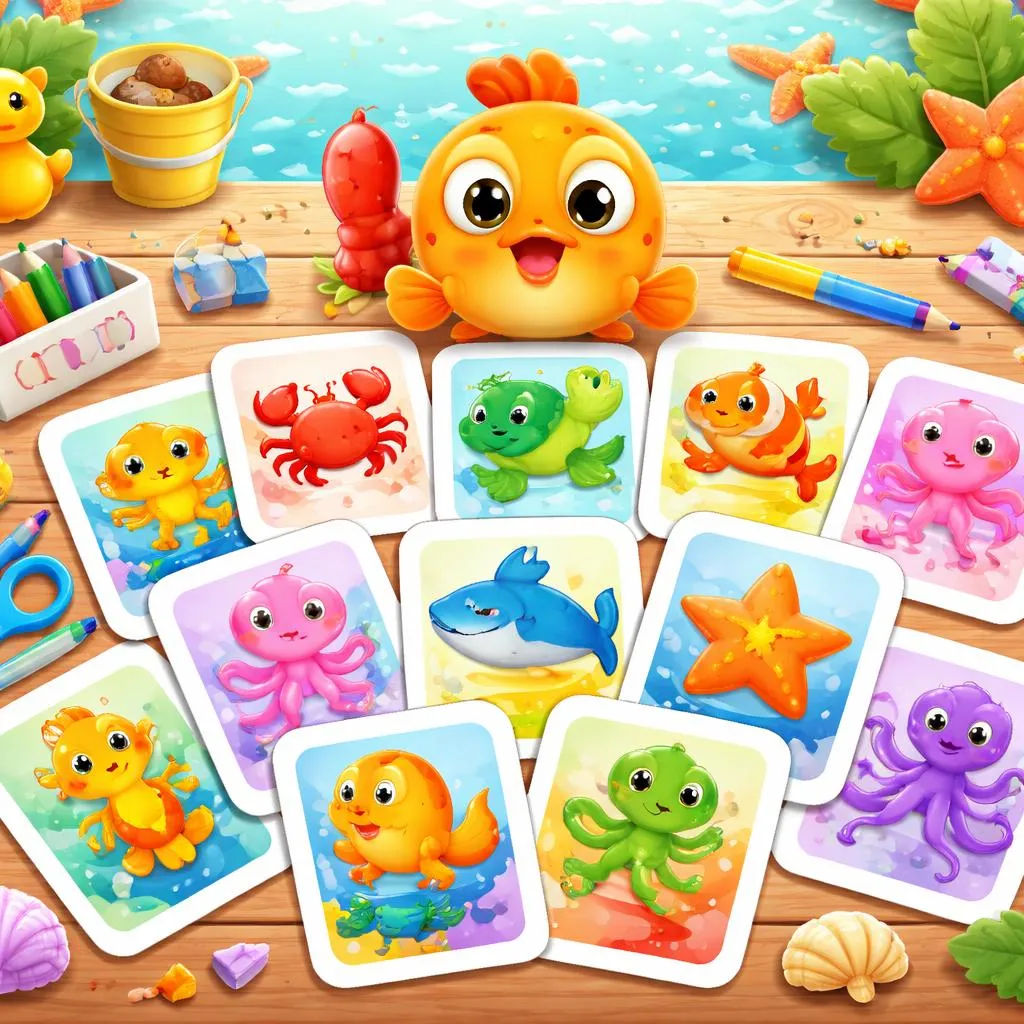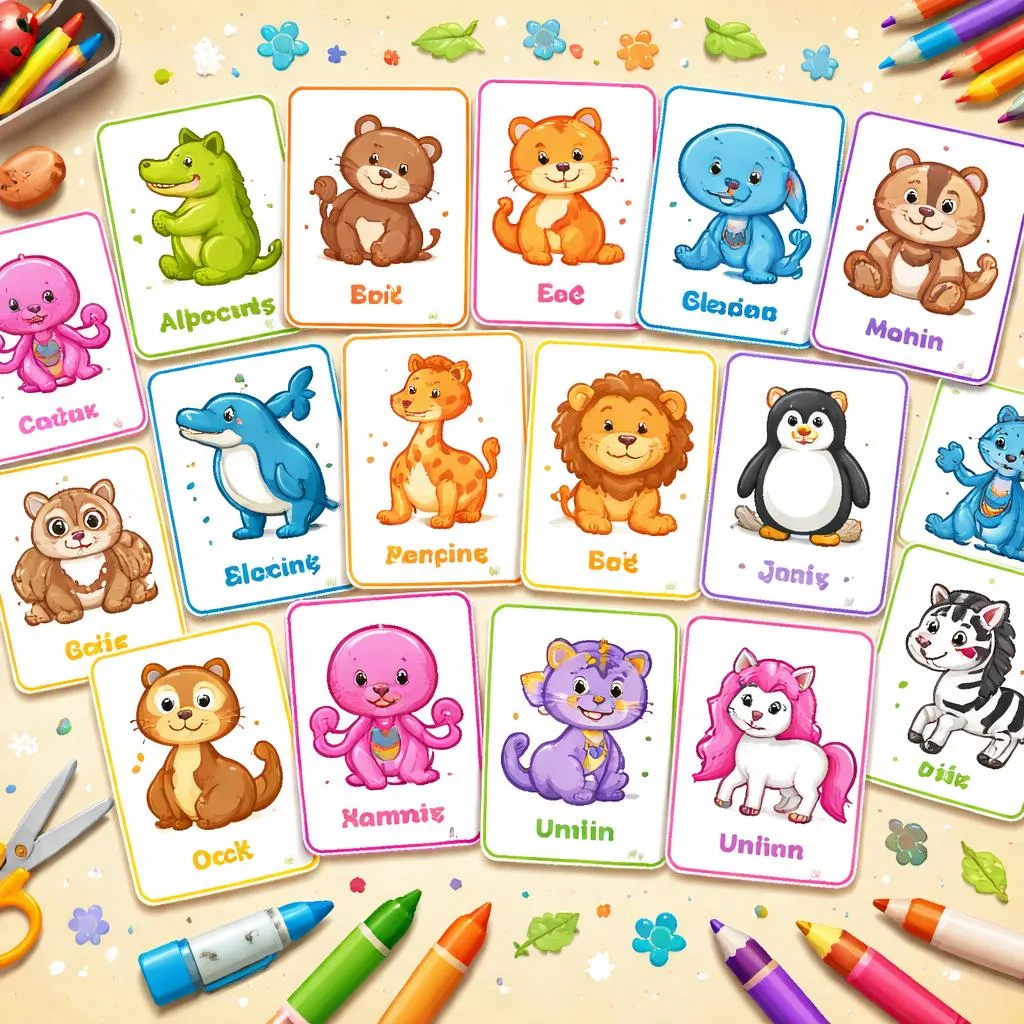

This is a large set of animal flashcards. You will find at least one animal for every letter of the alphabet except X . All the pictures in this set are black and white, but some are simple clipart style and others are vintage illustrations. To gather 54 images, you’ll notice some are general words– like bird– and other words are more specific, like bulldog and barracuda. Use this set to teach specificity of language before a writing assignment or to play A-Z vocabulary building games.
Word list: alligator, armadillo, barracuda, bat, bear, bee, beetle, bird, boar, bulldog, butterfly, camel, chimpanzee, cobra, deer, donkey, dragonfly, eagle, elephant, fox, frog, giraffe, goat, goldfish, hedgehog, hippopotamus, iguana, jaguar, kangaroo, lizard, lobster, manatee, narwhal, octopus, ostrich, panda, penguin, quail, rabbit, rhino, scorpion, seahorse, seal, shark, swan, toucan, turtle, unau, vulture, walrus, whale, wolf, yak, zebra
Click here to download the full Animals A to Z Flashcards PDF — free
By practicing with animal flashcards, children can:
- Expand their vocabulary by learning the names of a wide variety of animals from A to Z.
- Improve their memory and recognition skills through repeated exposure to animal names and images.
- Develop language specificity by distinguishing between general and specific animal terms.
- Enhance their curiosity and knowledge about the animal kingdom, fostering a love for nature and science.
- Build confidence in using new words in conversation and writing.
How to Teach Animal Flashcards with Flashcards
Parents and educators can use these animal flashcards to create engaging learning sessions. Start by introducing a few cards at a time, showing the picture and saying the animal name clearly. Encourage children to repeat the names and talk about the animals’ characteristics or sounds. Use the cards to tell simple stories or ask questions like “Which animal starts with B?” or “Can you find the animal that lives in water?” This interactive approach helps children connect words with images and concepts more effectively.
(1) Fun Animal Flashcard Games
Playing games with flashcards makes learning enjoyable and reinforces vocabulary. Try “Animal Alphabet,” where children arrange cards in alphabetical order, or “Guess the Animal,” where one child describes an animal and others guess which card it is. Another game is “Memory Match,” placing cards face down and finding pairs. These games promote active participation, listening, and speaking skills.
(2) Example Sentences with Animal Vocabulary
Using animal words in sentences helps children understand context and usage. For example: “The elephant is very big and strong,” or “A butterfly flies from flower to flower.” Adding emotions can make sentences more vivid: “The scared rabbit ran into its burrow,” or “The happy dolphin jumped out of the water.” This practice improves sentence construction and expressive language.
Free Animal Flashcards PDF Download
You can download and print the complete set of animal flashcards for free from the provided link. These printable cards are perfect for home or classroom use and allow for repeated practice without screen time. Simply cut out the cards and laminate them for durability. Having a physical set makes it easy to organize games and learning activities anytime.
FAQ about Animal Flashcards
Q: What age group are these flashcards suitable for?
A: They are ideal for preschool and early elementary children, roughly ages 3 to 8.
Q: Can these flashcards help with writing skills?
A: Yes, by learning specific animal names, children can use more precise vocabulary in their writing.
Q: How often should children practice with flashcards?
A: Short, frequent sessions (5-10 minutes daily) are most effective for retention.
Q: Are there activities besides games to reinforce learning?
A: Yes, children can draw their favorite animals, create stories, or match animals with their habitats to deepen understanding.