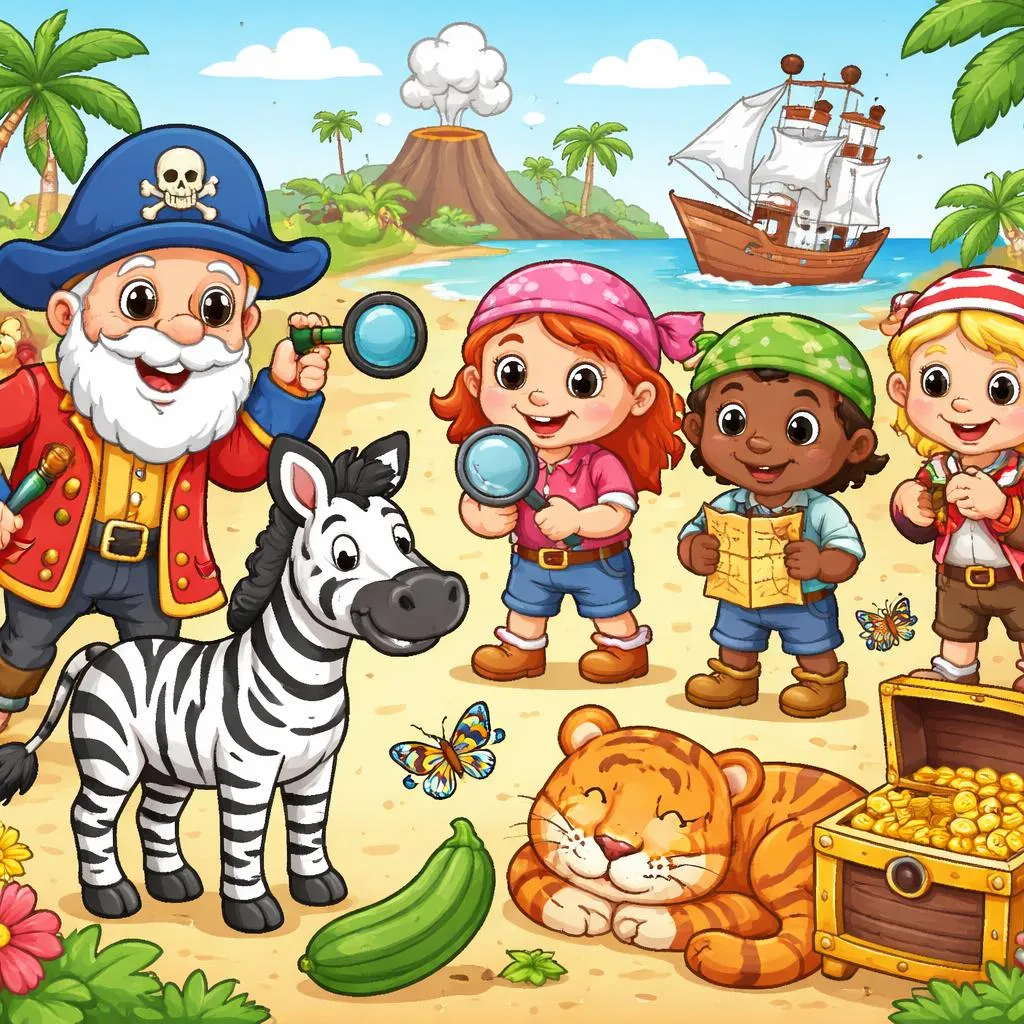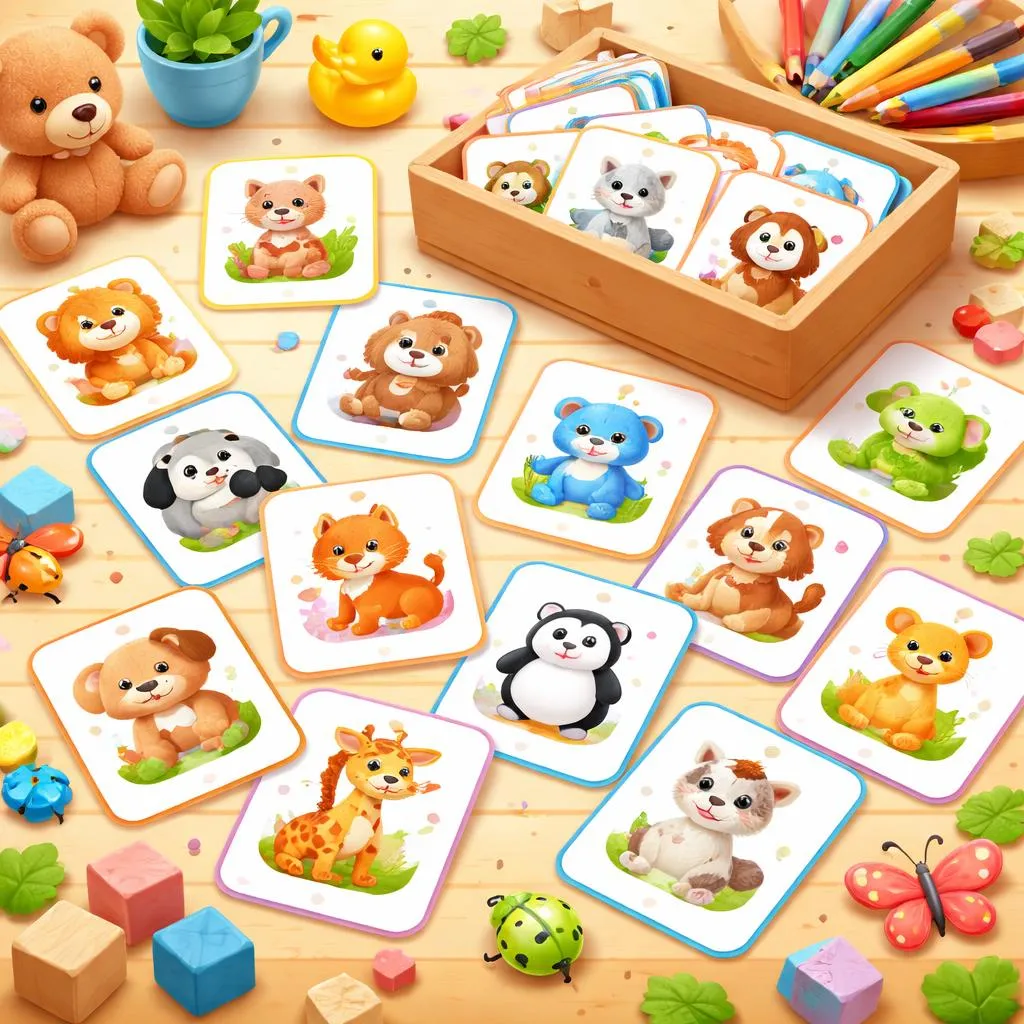

This set of mini animal flashcards are great for games and activities, and for using at home!
Contains 38 Cards : alligator, bird, buffalo, butterfly, camel, cat, chicken, cow, dog, duck, elephant, fish, frog, giraffe, goat, gorilla, hippopotamus, horse, kangaroo, koala, lamb, lion, monkey, mouse, panda, penguin, pig, polar bear, rabbit, rhinoceros, rooster, sheep, snake, squirrel, teddy bear, tiger, toucan, zebra
Download For best results, we recommend printing with Adobe Acrobat Reader .
Click here to download the full Super Simple Songs – Animals – Mini Cards PDF — free
By practicing with animal flashcards, children can:
Animal flashcards are an engaging and effective tool for young learners to develop vocabulary, recognition skills, and language comprehension. By interacting with these colorful and diverse animal cards, children enhance their memory, pronunciation, and ability to associate words with images. These flashcards also encourage curiosity about the animal world, promoting cognitive development and a love for learning. Through repeated exposure and playful activities, children build confidence in using new words and improve their communication skills in English.
How to Teach Animal Flashcards with Flashcards
Parents and educators can use animal flashcards in various interactive ways to maximize learning. Start by introducing each card one by one, saying the animal’s name clearly and encouraging the child to repeat it. Use the cards to tell simple stories or describe the animals’ characteristics, sounds, or habitats. Incorporate questions like “What sound does a lion make?” or “Where does a penguin live?” to engage children’s thinking. Flashcards can also be used for sorting activities, grouping animals by categories such as farm animals, wild animals, or sea creatures, helping children understand classification.
(1) Fun Animal Flashcard Games
Games make learning with flashcards exciting and memorable. Try the “Memory Match” game, where cards are placed face down and children flip two at a time to find pairs. “Animal Charades” encourages children to act out animals while others guess, reinforcing vocabulary and expressive skills. Another popular game is “I Spy,” where children find animals based on clues given by adults. These playful activities not only strengthen word recognition but also foster social interaction and turn-taking.
(2) Example Sentences with Animal Vocabulary
Using animal flashcards in sentences helps children understand context and improve sentence structure. For example: “The elephant is very big,” “A cat likes to chase mice,” or “The tiger lives in the jungle.” Adding emotions or actions can make sentences more vivid, such as “The happy dog wags its tail,” or “The scared rabbit hides in the bush.” This practice enriches children’s descriptive language and encourages them to create their own sentences.
Free Animal Flashcards PDF Download
To support learning at home or in the classroom, free printable animal flashcards are available for download. These high-quality PDFs can be printed easily, allowing families and teachers to have a handy resource for daily practice. Using printed flashcards helps children engage physically by holding and sorting cards, which enhances memory retention. Visit the provided link to download the full set of 38 animal flashcards and start exploring the animal kingdom today!
FAQ about Animal Flashcards
Q: At what age are animal flashcards suitable?
A: These flashcards are ideal for preschool and early elementary children, typically ages 2-7.
Q: How often should children practice with flashcards?
A: Short, frequent sessions of 5-10 minutes daily are most effective for retention.
Q: Can flashcards be used for bilingual learning?
A: Yes, flashcards can be labeled in multiple languages to support bilingual education.
Q: What if a child loses interest?
A: Introduce new games or combine flashcards with songs and stories to keep learning fun.
Q: Are there activities to reinforce learning beyond flashcards?
A: Yes, activities like drawing animals, watching educational videos, and visiting zoos complement flashcard learning and deepen understanding.