
Words help us share what we feel. One family of words does this very well. That family includes “express, expression, expressive, expressed.” Each word connects to sharing thoughts and feelings.
Children feel many emotions. They feel happy, sad, curious, or frustrated. Learning these words gives them tools. They can name their inner world. They can share it with you.
This article helps parents and children explore these words together. No pressure. No tests. Just friendly learning through daily moments.
Let us see how one small root grows into many useful words.
What Does “Same Word, Different Forms” Mean?
A single idea can take different shapes. The root here means “to press out” or “to show clearly.” Think of squeezing an orange. Juice comes out. That is like expressing.
Now each form does a different job. “Express” is usually an action. “Expression” is the name of that action. “Expressive” describes someone who shows feelings well. “Expressed” tells us the action happened before.
Your child already knows other families. Like “help, helper, helpful, helped.” This is the same pattern. Just new words.
Personal Pronouns Change Their Form
Pronouns like I, you, he, she, and we work with verbs. “Express” changes a little. “I express my love. She expresses her joy. They express their worries.”
That small “s” on “expresses” matters. It matches with he, she, or it. Children pick this up by hearing it often.
Nouns like “expression” do not change for pronouns. “My expression. Your expression. His expression.” Easy and steady.
For “expressive,” it stays the same too. “I am expressive. She is expressive.” No change needed.
From Verb to Noun to Adjective to Adverb – One Family, Many Words
Let us line up our four words.
“Express” – verb. Shows action. “Please express your idea clearly.”
“Expression” – noun. Names the action or result. “Her face showed a sad expression.”
“Expressive” – adjective. Describes a person or thing. “He is an expressive child.”
“Expressed” – past tense verb. Shows finished action. “We expressed our thanks yesterday.”
See the growth? The verb leads to a noun. Then an adjective. Then another verb form. Each useful. Each simple to practice.
One Root, Many Roles – How Words Grow from Actions to Qualities
From “express” we can make “expressively.” That is an adverb. It tells how someone does something. “She spoke expressively.” That is for older children. Start with the four main forms.
The root keeps the meaning of “showing.” Whether action, name, or description, the heart stays the same. This helps children guess meanings. When they see a new word like “expressionless,” they can break it down.
Focus first on everyday use. Use these words during meals, play, or reading time.
Same Meaning, Different Jobs – Is It a Verb or a Noun?
Let us check each word’s job in a sentence.
“Express” – verb. “Can you express your wish?”
Ask your child: Can I do it? Yes. So it is a verb.
“Expression” – noun. “Her expression looked worried.”
Ask: Can I touch it or point to it? The look on her face. Yes. So it is a noun.
“Expressive” – adjective. “That baby has expressive eyes.”
Ask: Does it describe a noun (eyes)? Yes. So it is an adjective.
“Expressed” – past tense verb. “He expressed his love with a hug.”
Ask: Did it happen before now? Yes. So it is past tense verb.
Teach your child to ask these small questions. They work for any word.
Adjectives and Adverbs – When Do We Add -ly?
Adding -ly turns an adjective into an adverb. “Expressive” becomes “expressively.” The man spoke expressively. That means he used many gestures and tone changes.
When do we use it? When we show how someone does an action. “The girl drew expressively.” “The teacher explained expressively.”
For young children, skip -ly forms. They will learn them later. Focus on “expressive” first. That adjective appears more often in stories and daily talk.
Watch Out for Tricky Spelling Changes (Double Letters, y to i, and More)
“Express” has no tricky changes. It keeps its letters. “Expressed” just adds -ed. No double letters.
“Expression” – here we change a little. We drop nothing. “Express” + “ion” = expression. But we add an “s” sound? No. The spelling stays. The pronunciation changes. The “ss” sound stays strong.
“Expressive” – “express” + “ive” = expressive. No letter lost. No letter doubled.
One tip for parents: the “ex-” start means “out.” So “express” means “press out.” “Express” your feelings. Press them out of your heart. This little meaning trick helps memory.
Let’s Practice – Can You Choose the Right Form?
Try these sentences with your child. Fill in each blank. Use express, expression, expressive, or expressed.
Yesterday I _____ my thanks to Grandma.
A painter uses color as an _____ of feeling.
Please _____ your opinion politely.
That singer is very _____. You can see every emotion on her face.
Answers:
expressed (past action)
expression (noun – the thing used)
express (verb – present or future action)
expressive (adjective – describes the singer)
Read the sentences aloud. Ask why each answer fits. Let your child explain. That builds confidence.
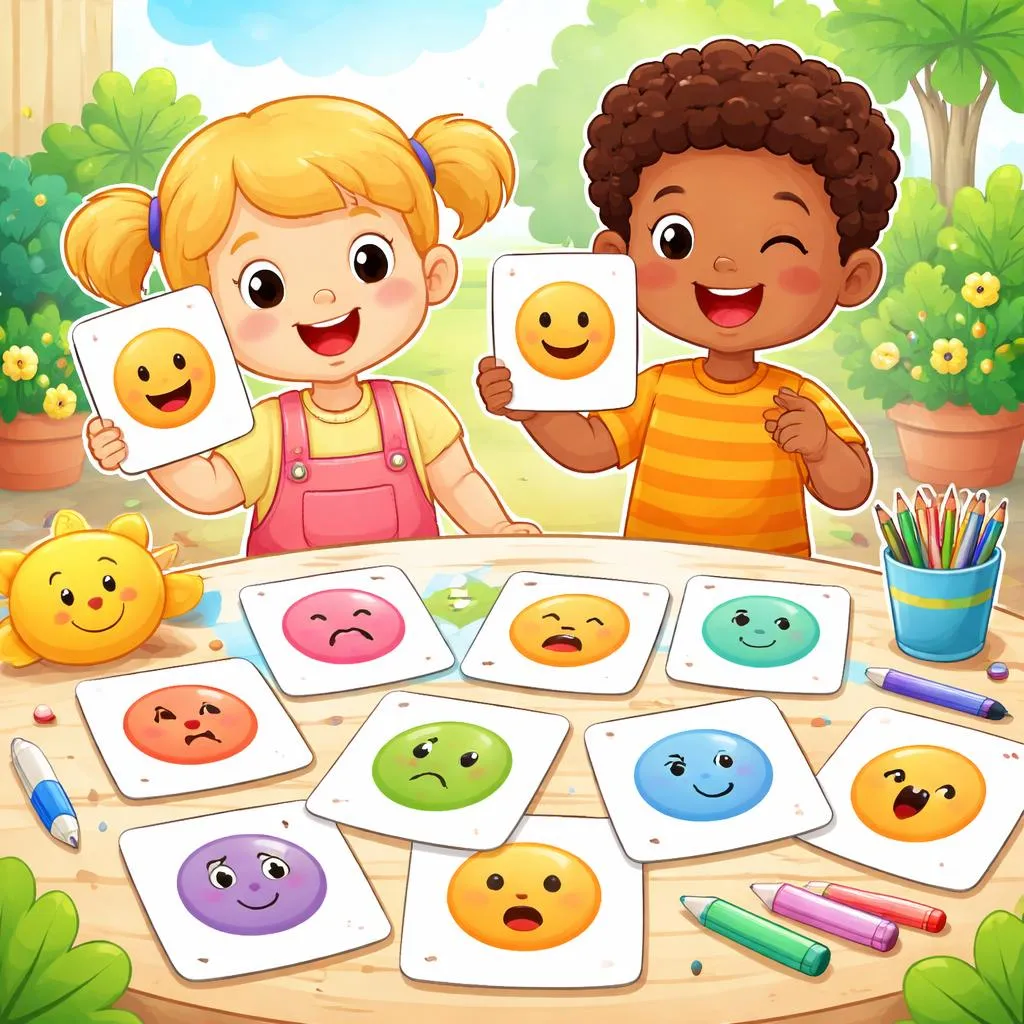
Now play a game. Look at family photos. Point to a face. Ask “What expression do you see?” Sad? Happy? Surprised? Then ask “Did that person express a feeling?” Then “Was that person expressive?”
Tips for Parents – Help Your Child Learn Word Families in a Fun Way
Create a feelings chart. Draw six faces. Write one word under each: happy, sad, angry, scared, surprised, loved. Then write “express” next to the chart. Say “We use words to express these feelings.”
Read books with strong characters. Find moments when a character shows emotion. Pause and say “Look at that expression. How expressive!” Point to the word if it appears.
Play the mirror game. Sit face to face. Make an expression. Happy face. Sad face. Tired face. Ask your child “What expression am I showing?” Then switch. Your child makes an expression. You guess. Use the word “expressed” for past turns. “You just expressed surprise!”
Use art time. Give paper and crayons. Ask your child to draw an expressive scene. A dog lost its toy. A girl found a gift. After drawing, talk about it. “What feeling did you express here?” “What expression does this person have?”
Write thank-you notes together. “I want to express my thanks for your gift.” “You expressed kindness when you helped me.” Short sentences. Big meaning.
Celebrate small moments. When your child shows a clear feeling, name it. “Oh, you expressed joy just now. What a wonderful expressive face!”
Remember that these words teach more than English. They teach emotional awareness. Children who name feelings manage them better. They share them more easily. They become kind friends.
One evening, sit together. Ask “How was your day?” Then ask “Can you express one feeling from today?” Let your child speak freely. Do not correct grammar. Just listen. Then share your own expressed feeling.
Learning word families becomes a bridge. It connects language to life. Keep the tone light. Keep the practice short. Five minutes a day works wonders.
Soon your child will say “I express myself” with pride. And you will see the most beautiful expression of all – a smile of understanding.