
You see a puppy wagging its tail. Your heart feels light. You smile.
That is delight. Today we learn four words.
“Delight,” “delightful,” “delightfully,” and “delighted.”
Each word shares the idea of great pleasure. Each does a different job.
Parents and children can learn these words together. They help with happiness.
What Does “Same Word, Different Forms” Mean?
One feeling takes different shapes. The feeling here is joy and pleasure.
“Delight” is a noun. “The child’s delight was clear on her face.” Joy.
“Delight” is also a verb. “Your gift will delight your grandma.” Action.
“Delightful” is an adjective. “A delightful surprise.” Describes.
“Delightfully” is an adverb. “The music played delightfully.” Describes a verb.
“Delighted” is an adjective. “I am delighted to see you.” Describes a feeling.
Same root. Different endings. Different jobs. The joy stays.
Personal Pronouns Change Their Form
Pronouns change for grammar. “I” becomes “me.” “We” becomes “us.”
Our words change for role and description. “Her delight was contagious.” Noun.
“This dessert is delightful.” Describes. “She laughed delightfully.” How she laughed.
“We are delighted.” Describes feeling.
Pronouns help us speak faster. Word families help us talk about happiness.
When children know these four words, they express joy richly.
From Verb to Noun to Adjective to Adverb – One Family, Many Words
“Delight” works as a noun. “The kitten brought delight to everyone.” Joy.
“Delight” also works as a verb. “You delight me with your kindness.” Action.
“Delightful” is an adjective. “A delightful picnic.” Describes.
“Delightfully” is an adverb. “The garden was delightfully colorful.” Describes.
“Delighted” is an adjective. “She was delighted by the present.” Feeling.
Five members. Very happy family.
One Root, Many Roles – How Words Grow from Actions to Qualities
The root “delight” comes from Latin “delectare,” meaning to charm or please.
From that root, we add “-ful” to make an adjective. “Delightful” means full of delight.
We add “-ly” to make an adverb. “Delightfully” means in a delightful way.
We add “-ed” to make an adjective meaning “feeling delight.”
Help your child see this pattern. Delight is the joy. Delightful describes what causes joy. Delightfully tells how. Delighted describes how you feel.
Same Meaning, Different Jobs – Is It a Verb or a Noun?
Look at “delight” in a sentence. Ask: Is it a feeling? Or is it an action?
“The baby’s delight was loud.” Feeling. Noun.
“The clown will delight the children.” Action. Verb.
Same word. Two jobs. Context tells you.
Now look at “delightful.” Always an adjective. “What a delightful idea!”
“Delightfully” is always an adverb. “The cookies were delightfully soft.”
“Delighted” is always an adjective for a person’s feeling. “I am delighted with my gift.”
Teach children to look at the endings. “-ful” adjective. “-ly” adverb. “-ed” adjective (feeling).
“Delight” alone can be noun or verb.
Adjectives and Adverbs – When Do We Add -ly?
We add “-ly” to “delightful” to make “delightfully.” This is the rule.
Adjective + ly = adverb. “Delightful” + “ly” = “delightfully.”
Example: “The song is delightful.” Adjective. “The song played delightfully.” Adverb.
We do not add “-ly” to “delight” or “delighted.”
For children, “delightfully” is a lovely word.
Watch Out for Tricky Spelling Changes (Double Letters, y to i, and More)
Spelling here is very regular. No double letters. No y to i changes.
“Delight” adds “-ful” to make “delightful.” Just add. Keep the “gh.”
“Delightful” adds “-ly” to make “delightfully.” Just add.
“Delight” adds “-ed” to make “delighted.” Just add.
No dropping. No vowel changes. Very clean.
Practice with your child. Write “delight.” Add “ful.” You get “delightful.” Add “ly.” You get “delightfully.” Add “ed.” You get “delighted.”
No tricks.
Let’s Practice – Can You Choose the Right Form?
Try these sentences. Fill in the blank with delight, delightful, delightfully, or delighted.
The puppy’s _____ was clear when it saw its toy. (noun, joy)
The surprise party was _____. (adjective)
The flowers smelled _____. (adverb)
I am _____ to meet you. (adjective, feeling)
Your jokes always _____ me. (action verb)
What a _____ day for a picnic! (adjective)
The cake was _____ decorated with sprinkles. (adverb)
She clapped her hands in _____. (noun)
Answers: 1 delight, 2 delightful, 3 delightfully, 4 delighted, 5 delight, 6 delightful, 7 delightfully, 8 delight.
Number 1 and 8 use “delight” as a noun.
Number 5 uses “delight” as a verb.
Tips for Parents – Help Your Child Learn Word Families in a Fun Way
Point to delight. “Look at the baby’s delight at the bubbles.”
Call things delightful. “This warm soup is delightful on a cold day.”
Use delightfully for description. “You sang delightfully at the concert.”
Show delighted feelings. “I am delighted that you helped me.”
Play a game. You name a thing. Your child says “delightful” or “not delightful.”
“Broccoli.” “Delightful (if you like it)!” “A rainy picnic.” “Not delightful.”
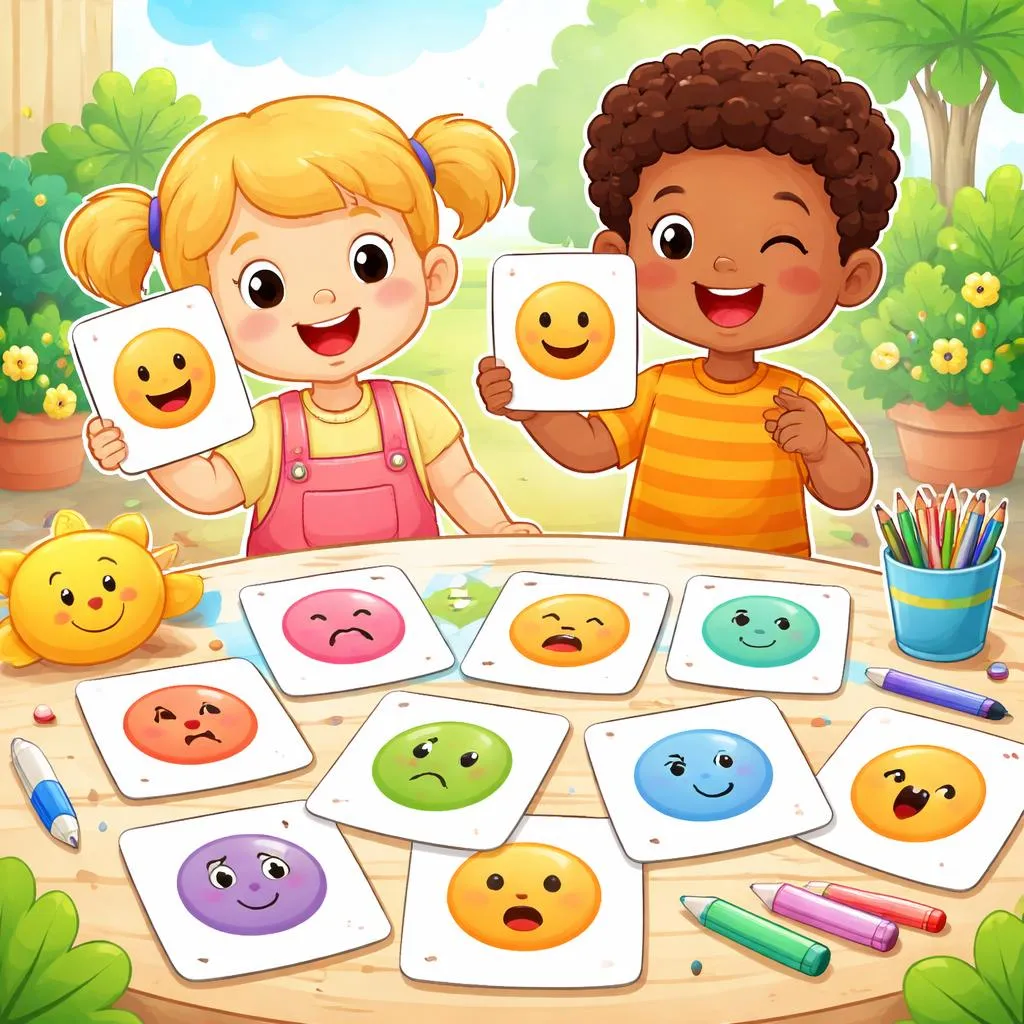
Draw a delighted face. Big smile, sparkly eyes.
Read a book about joy. “When Sophie Gets Angry — Really, Really Angry” ends with delight.
Do not correct every mistake. If your child says “delighting” for “delighted,” gently say “We say delighted for the feeling.”
Celebrate when your child uses “delightfully.” That word adds sparkle.
Explain that “delight” can also be a verb meaning to please greatly. “Your drawing delights me.”
Tomorrow you will find delight in a sunrise. You will eat a delightful breakfast. The sun will shine delightfully. You will feel delighted for a new day.
Your child might say “You delight me with your hugs.” You will squeeze them tight.
Keep noticing delight. Keep calling things delightful. Keep speaking delightfully. Keep feeling delighted.
Your child will grow in language and in joy. Delight is everywhere. Words help us see it.