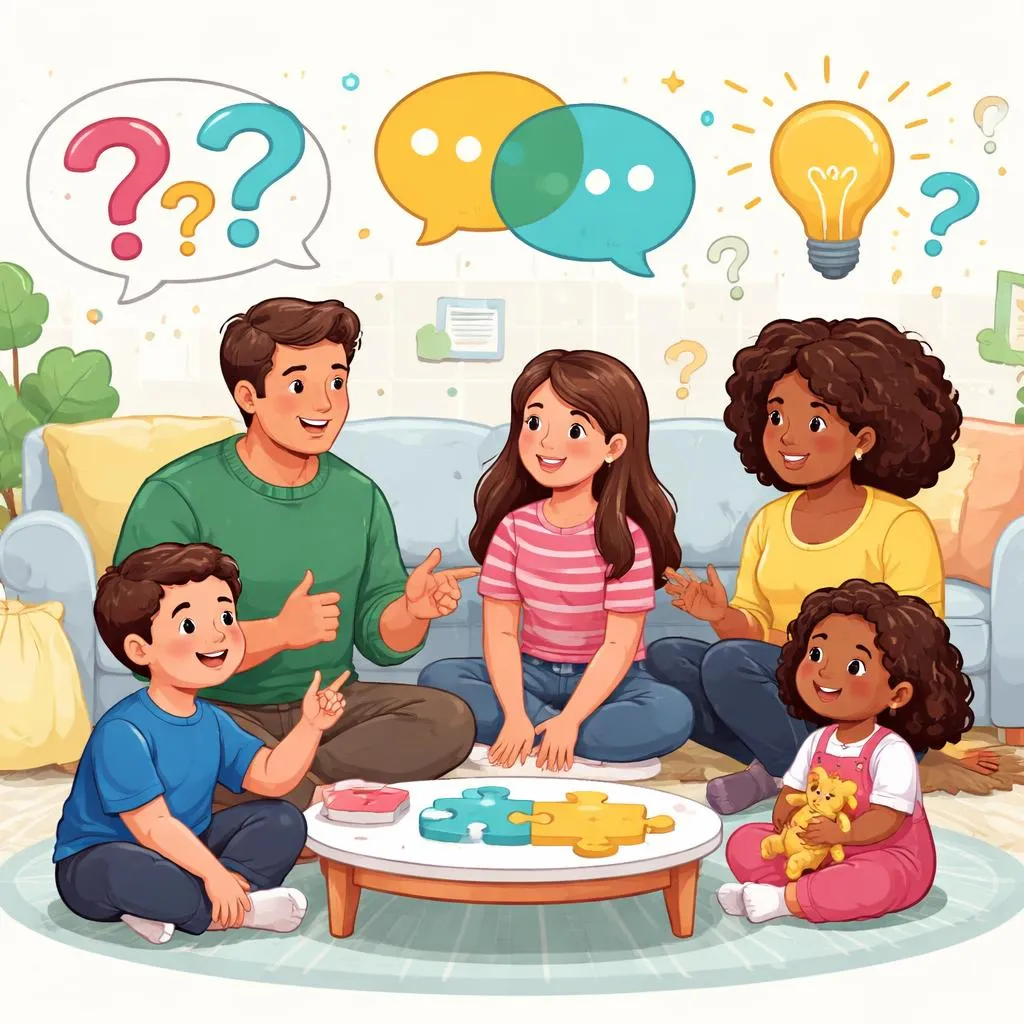

What Does “Same Word, Different Forms” Mean? One root word can grow into three talking forms. “Discuss, discussion, discussable” share one meaning. That meaning is “to talk about something with others.” Each form has a different job in a sentence. One word shows an action. One word names the act of talking. One word describes a topic that can be talked about. Learning these three forms builds conversation skills.
Personal Pronouns Change Their Form This rule applies to pronouns like “we, us, our.” But word families work the same way for other words. “Discuss” is a verb. “Discussion” is a noun. “Discussable” is an adjective. Each form answers a different question. What action? Discuss. What thing or event? Discussion. What kind of topic? Discussable.
From Verb to Noun to Adjective to Adverb – One Family, Many Words This family starts with the verb “discuss.” You discuss a book with a friend. You discuss what to eat for dinner. From “discuss,” we make the noun “discussion.” “Discussion” names the conversation or talk. Example: “The class had a discussion about recycling.” From “discuss,” we make the adjective “discussable.” “Discussable” describes a topic that is okay to talk about. Example: “The rules of the game are discussable.” This family has no common adverb form.
One Root, Many Roles – How Words Grow from Actions to Qualities Think of two friends choosing a movie. They will “discuss” which one to watch. That is the verb. Their back-and-forth talk is a “discussion.” That is the noun. The topic of movies is “discussable” because both can share ideas. That is the adjective. The root meaning stays “to talk together.” The role changes with each sentence. Good discussions happen when topics are discussable.
Same Meaning, Different Jobs – Is It a Verb or a Noun? “Discuss” is always a verb. It shows the action of talking about something. Example: “Let’s discuss the plan for Saturday.” “Discussion” is always a noun. It names the conversation or exchange of ideas. Example: “The discussion lasted twenty minutes.” “Discussable” is always an adjective. It describes a topic that can be talked about. Example: “Homework is a discussable topic at dinner.” Same family. Different jobs. No adverb form exists in common use.
Adjectives and Adverbs – When Do We Add -ly? This family does not have a common adverb. You could say “discussably,” but it is very rare. The -ly rule does not apply directly to these three forms. That is fine. Many word families have gaps. The important part is learning these three talking forms.
Watch Out for Tricky Spelling Changes (Double Letters, y to i, and More) “Discuss” has a double “s” in the middle. Discuss – D i s c u s s. Yes, double “s” at the end. When we add “-ion,” we keep the double “s.” Discuss + ion = discussion (double s). When we add “-able,” we keep the double “s.” Discuss + able = discussable (double s). A common mistake is writing “discuss” with one “s” (dicus). The correct spelling has double “s” – discuss. Another mistake is writing “discussion” with one “s” (discusion). The correct spelling has double “s” – discussion. Another mistake is writing “discussable” with one “s” (discusable). The correct spelling has double “s” – discussable. Write slowly at first. Remember: discuss, discussion, discussable.
Let’s Practice – Can You Choose the Right Form? Try these sentences with your child. Fill in the blank with discuss, discussion, or discussable.
Let’s _______ our weekend plans.
The _______ about the book was very interesting.
Is this topic _______ at the dinner table?
We need to _______ the rules before we play.
The class had a long _______ about the field trip.
Any question is _______ if we are respectful.
Please _______ your answer with a partner.
Our _______ helped us solve the problem.
Answers:
discuss
discussion
discussable
discuss
discussion
discussable
discuss
discussion
Go through each answer slowly. Ask your child why the word fits. Praise effort and respectful talking. Keep practice short and friendly.
Tips for Parents – Help Your Child Learn Word Families in a Fun Way You can teach “discuss, discussion, discussable” through daily life. Use mealtime, car rides, and family meetings.
At dinner, say “Let’s discuss what happened at school today.” Ask “What action are we doing?”
When you have a family talk, say “That was a good discussion.” Ask “What is a discussion?”
When your child brings up a topic, say “That is discussable.” Ask “What does discussable mean?”
Play a “talk it out” game. Write the three words on sticky notes. Say a sentence. Let your child hold up the correct word. Example: “Discuss the movie.” Child holds “discuss.” “We had a discussion.” Child holds “discussion.” “The topic is discussable.” Child holds “discussable.”
Draw a three-part poster. Write “discuss” with a picture of two people talking. Write “discussion” with a picture of a speech bubble with a question mark. Write “discussable” with a picture of a checkmark next to a topic. Hang it on the wall.
Use a “family meeting” game. Sit in a circle. Say “Let’s have a discussion about weekend plans.” Ask “What is one discussable idea?”
Keep each session under five minutes. Repeat games on different days. Children learn through playful conversation and respect.
When your child makes a mistake, smile. Say “Good try. Let me show you again.” Use the correct word in a simple sentence. Then continue.
No need for grammar drills. No need for tests. Just warm examples and real discussions every day. Soon your child will master “discuss, discussion, discussable.” That skill will help them share ideas, listen to others, and solve problems together.