
A baby needs a parent. A plant needs water. A team needs a coach.
That is dependence. Today we learn four words.
“Depend,” “dependent,” “dependence,” and “independent.”
Each word shares the idea of needing help or being free. Each does a different job.
Parents and children can learn these words together. They help with growing up.
What Does “Same Word, Different Forms” Mean?
One idea takes different shapes. The idea here is relying on someone or something.
“Depend” is a verb. “Children depend on their parents.” Action.
“Dependent” is an adjective or noun. “A dependent child needs care.” Describes. “A tax dependent.” Person.
“Dependence” is a noun. “The dependence on a phone can be too much.” State.
“Independent” is an adjective. “An independent person does things alone.” Opposite.
Same root. Different endings. Different jobs. The need or freedom stays.
Personal Pronouns Change Their Form
Pronouns change for grammar. “I” becomes “me.” “We” becomes “us.”
Our words change for role and description. “I depend on my glasses.” Action.
“He is dependent.” Describes. “Dependence grows over time.” State.
“She is independent.” Opposite.
Pronouns help us speak faster. Word families help us talk about needs and freedom.
When children know these four words, they understand growing up.
From Verb to Noun to Adjective to Adverb – One Family, Many Words
“Depend” is a verb. “Plants depend on sunlight to grow.” Action.
“Dependent” is an adjective. “A dependent person asks for help often.” Describes.
“Dependent” is also a noun. “The child is a dependent on the tax form.” Person.
“Dependence” is a noun. “Dependence on sugar is not healthy.” State.
“Independent” is an adjective. “An independent bird leaves the nest.” Opposite.
We have adverbs “dependently” and “independently.” “She acts independently.” But not in keywords.
Five members. Very important for psychology.
One Root, Many Roles – How Words Grow from Actions to Qualities
The root “depend” comes from Latin “dependere.” “De-” means down. “Pendere” means to hang. To hang down from something.
From that root, we add “-ent” to make an adjective meaning “hanging from” or “needing support.”
We add “-ence” to make a noun meaning “the state of hanging from.”
We add “in-” as a prefix to make the opposite. “Independent” means not hanging from.
Help your child see this pattern. Depend is the action. Dependent describes needing help. Dependence is the state of need. Independent means free.
Same Meaning, Different Jobs – Is It a Verb or a Noun?
Look at “depend.” Always a verb. “You can depend on me.” Action.
“Dependent” can be an adjective or noun. “A dependent child.” Adjective. “He is my dependent.” Noun.
“Dependence” is always a noun. “The dependence on oil is risky.”
“Independent” is always an adjective. “She is very independent.”
Teach children to look at the endings. “-ent” adjective or noun. “-ence” noun. “in- + dependent” adjective opposite.
“Depend” alone is the verb.
Adjectives and Adverbs – When Do We Add -ly?
We add “-ly” to “dependent” to make “dependently.” Rare. “He acted dependently.”
We add “-ly” to “independent” to make “independently.” Common. “She walked independently.”
For children, “independently” is a great word. “He tied his shoes independently.”
But our keywords do not include adverbs.
Watch Out for Tricky Spelling Changes (Double Letters, y to i, and More)
Spelling has one note. “Depend” ends with “d.” No double letters.
“Depend” adds “-ent” to make “dependent.” Keep the “d.” Depend + ent = dependent.
“Depend” adds “-ence” to make “dependence.” Keep the “d.” Depend + ence = dependence.
“In-” adds to “dependent” to make “independent.” In + dependent = independent. (Change the “d”? No.)
No dropping. No vowel changes. Very clean.
Practice with your child. Write “depend.” Add “ent.” You get “dependent.” Add “ence.” You get “dependence.” Put “in” in front of “dependent.” You get “independent.”
No tricks.
Let’s Practice – Can You Choose the Right Form?
Try these sentences. Fill in the blank with depend, dependent, dependence, or independent.
You can _____ on me to be there. (action verb)
A baby is _____ on its parents for food. (adjective)
_____ on technology can reduce real-world skills. (noun)
An _____ child can dress themselves. (adjective)
The plant’s _____ on water is clear. (noun)
I _____ on my alarm clock to wake up. (action verb)
The _____ person learned to do chores alone. (adjective)
My little sister is still _____. She needs help with buttons. (adjective)
Answers: 1 depend, 2 dependent, 3 Dependence, 4 independent, 5 dependence, 6 depend, 7 independent, 8 dependent.
Number 3 starts with a capital letter because it begins the sentence.
Number 7 uses “independent” as an adjective.
Tips for Parents – Help Your Child Learn Word Families in a Fun Way
Talk about who you depend on. “We depend on the mail carrier for letters.”
Explain dependent. “A baby bird is dependent on its mother for food.”
Name dependence as a state. “His dependence on the calculator is too much.”
Celebrate independent acts. “You got dressed independently! Good job.”
Play a game. You name a creature. Your child says “dependent” or “independent.”
“A newborn kitten.” “Dependent.” “A grown bear.” “Independent.”
Draw a baby chick needing a mother (dependent). Draw a grown eagle flying alone (independent).
Read a book about growing up. “The Little Engine That Could” is about independence.
Do not correct every mistake. If your child says “dependence” for “dependent,” gently say “The person is dependent. The state is dependence.”
Celebrate when your child uses “independent.” That word feels powerful.
Explain that everyone starts dependent and grows independent over time.
Tomorrow you will depend on your alarm. You will help a dependent plant grow. You will notice dependence on a device. You will feel proud of an independent choice.
Your child might say “I am independent when I pour my own milk.” You will watch with pride.
Keep depending on good things. Keep helping dependent ones. Keep noticing dependence. Keep growing independent.
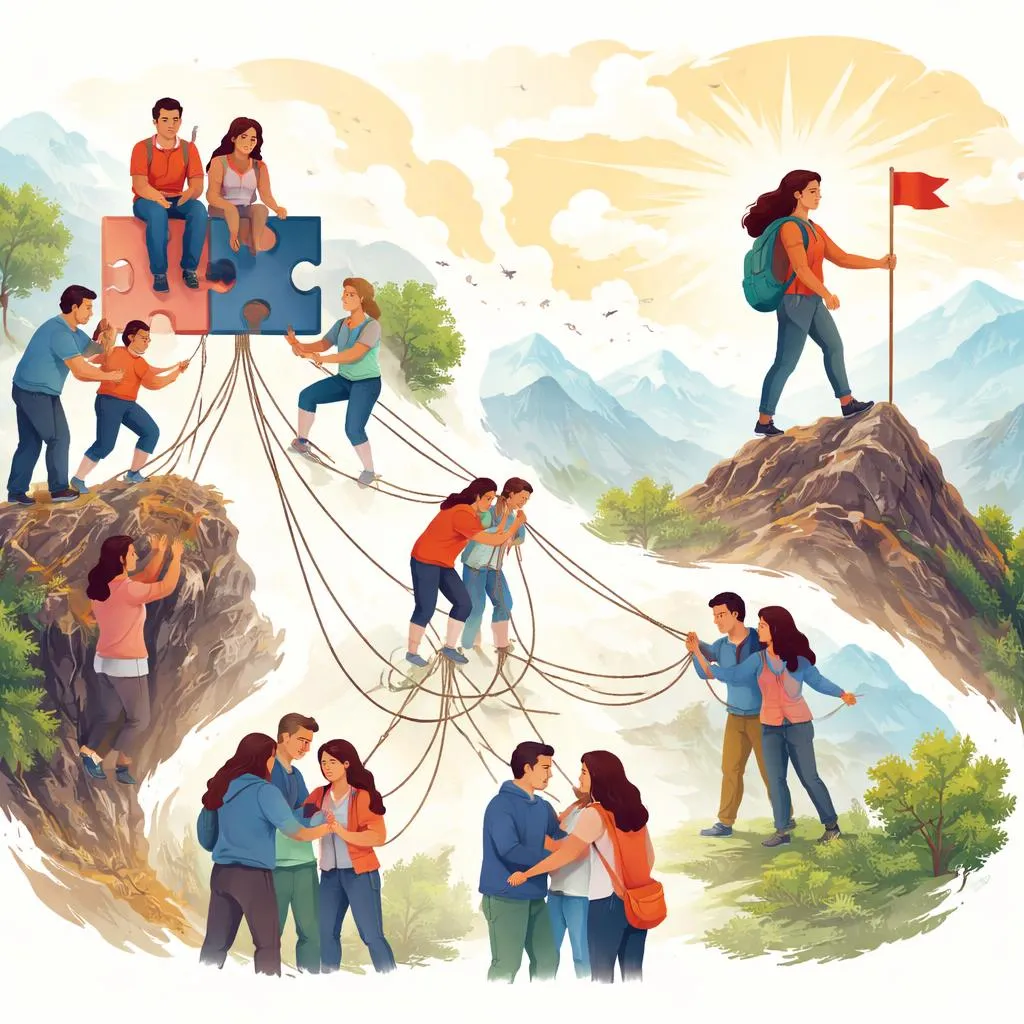
Your child will grow in language and in self-reliance. Dependence is natural. Independence is a goal. Words help us walk the path.