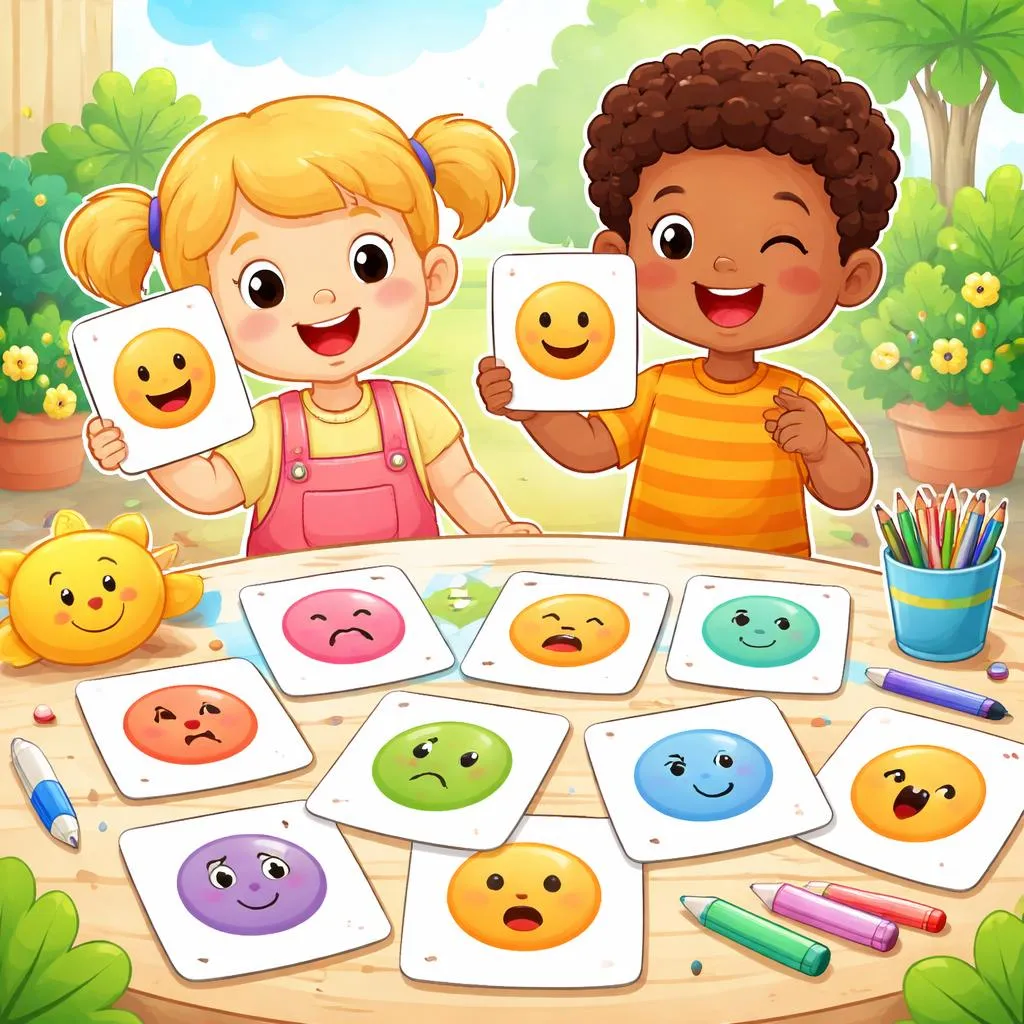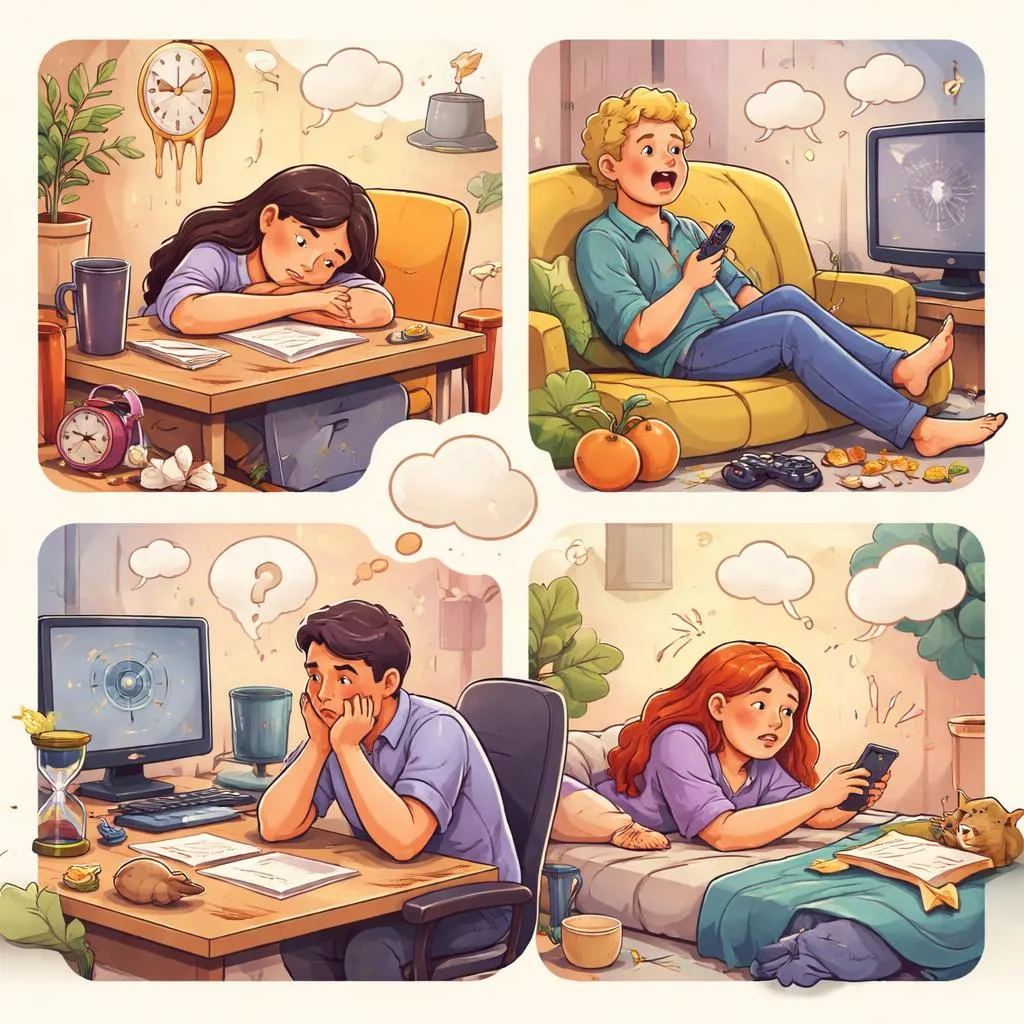

Feelings have names. Some feelings feel heavy. Some feelings feel empty.
Today we talk about one kind of feeling. The feeling when something is not interesting.
We use four words for this feeling. “Bore,” “boring,” “bored,” and “boredom.”
Each word shows a different side. Each word has a different job.
Let us explore this family together. Parents and children will understand better.
What Does “Same Word, Different Forms” Mean?
One idea can wear many masks. The idea here is lack of interest.
“Bore” can be a verb. It means to make someone tired. “You bore me with long stories.”
“Bore” can also be a noun. A person who is not fun. “My uncle is a bore.”
“Boring” describes things. “This movie is boring.”
“Bored” describes people. “I feel bored at home.”
“Boredom” names the state. “Boredom fills the long afternoon.”
Same root. Different endings. Different jobs. The heart stays the same.
Personal Pronouns Change Their Form
Pronouns change for grammar. “I” becomes “me.” “She” becomes “her.”
Our words change for meaning. But they also change for who feels the feeling.
“Boring” points to the thing outside. “The lesson is boring.”
“Bored” points to the person inside. “I am bored.”
You cannot say “I am boring” if you mean you feel bored. That would mean you make others tired.
Small change. Big difference in meaning.
Teach children this difference. It helps them express feelings clearly.
From Verb to Noun to Adjective to Adverb – One Family, Many Words
“Bore” works as a verb. “Long speeches bore me.” Action.
“Bore” also works as a noun. “He is such a bore.” Person or thing.
“Boring” is an adjective. It describes things or events. “A boring day.”
“Bored” is also an adjective. It describes people. “The bored child sighed.”
“Boredom” is a noun. It names the feeling. “Boredom makes time slow down.”
We have no common adverb here. “Boringly” exists but is rare. Skip it for now.
Four useful members. Each one helps us talk about a common feeling.
One Root, Many Roles – How Words Grow from Actions to Qualities
The root “bore” comes from Old English “borian.” It meant to pierce or drill.
That old meaning is interesting. A boring person pierces your patience. A boring movie drills into your energy.
The feeling of boredom feels like a hole. Empty. Hollow. Time passing slowly.
From that root, we grew new uses. Each word keeps a little sharpness.
“Boring” things drain your attention. “Bored” people feel drained. “Boredom” is the empty space left behind.
Help your child see this picture. A drill makes a hole. A boring day makes a hole in your joy.
Same Meaning, Different Jobs – Is It a Verb or a Noun?
Look at “bore” in a sentence. Ask: Is it an action or a person?
“You bore me.” Action. Verb.
“You are a bore.” Person. Noun.
Same sound. Same spelling. Two different jobs.
Now look at “boredom.” Always a noun. No confusion. “Boredom settled over the room.”
“Boring” is always an adjective. “This puzzle is boring.”
“Bored” is always an adjective for people. “The kitten looked bored.”
Teach children to ask: Who is doing the action? Who is feeling the feeling? What is the name of the feeling?
Adjectives and Adverbs – When Do We Add -ly?
We can add “-ly” to “boring.” It becomes “boringly.” This is an adverb.
“He spoke boringly for two hours.” Means his speaking had no life.
We can add “-ly” to “bored.” It becomes “boredly.” Much rarer. “She stared boredly out the window.”
Most people say “in a bored way” instead. That sounds more natural.
For children, skip the adverbs. Focus on the adjectives first.
“Boring” for things. “Bored” for people. That rule alone helps a lot.
Watch Out for Tricky Spelling Changes (Double Letters, y to i, and More)
Spelling here is simple. No double letters. No y to i changes.
“Bore” adds “-ing” to make “boring.” Drop the final “e.” Bore becomes bor + ing.
That is one change. Drop the silent “e.” Very common rule.
“Bore” adds “-ed” to make “bored.” Also drop the “e.” Bore becomes bor + ed.
“Bore” adds “-dom” to make “boredom.” Here we keep the “e” from “bored.” Then add “-dom.”
So the path is bore → bored → boredom. Each step is clear.
Practice this with your child. Write bore. Cross out the “e.” Add “ing.” You get boring.
No tricks. Just one small rule.
Let’s Practice – Can You Choose the Right Form?
Try these sentences together. Fill in the blank with bore, boring, bored, or boredom.
This math homework is so _____. (describes the task)
Long car rides _____ my little sister. (action verb)
The children felt deep _____ on the rainy day. (name of feeling)
I feel _____ when I wait for the bus. (describes a person)
My dad tells the same joke. He is a _____. (noun for a person)
The movie was _____, so we left early. (describes the movie)
She tried to hide her ____ during the long speech. (name of feeling)
Does it _____ you when I ask many questions? (action verb)
Answers: 1 boring, 2 bore, 3 boredom, 4 bored, 5 bore, 6 boring, 7 boredom, 8 bore.
How did your child do on “bored” versus “boring”? That is the hardest pair.
Remind them: Things are boring. People feel bored.
Tips for Parents – Help Your Child Learn Word Families in a Fun Way
Talk about feelings openly. Ask your child: What makes you feel bored?
Use the words correctly when you answer. “I understand the boredom. Let us find a new game.”
Draw faces. A bored face has tired eyes. A boring object has a straight line mouth.
Role play. You pretend to be a bore. Talk very slowly about grass growing. Let your child say “You bore me!”
Then switch. Your child pretends to be bored. You guess the feeling.
Use a feelings jar. Write “boredom” on one paper. Write “excitement” on another. Sort activities into the jar.
Read stories where characters feel bored. Many picture books show this feeling well.
Do not shame boredom. It is a normal feeling. Naming it helps control it.
When your child says “I am boring,” gently correct. “You mean you feel bored. The activity is boring. You are wonderful.”
Praise effort. “You used the word boredom! That is a big word for a big feeling.”
Remember that learning feelings takes years. Adults still mix up “bored” and “boring” sometimes.
Tomorrow you will hear your child say “This is boring.” You will say “Do you feel bored?” They will nod. That is progress.
Then one day they will say “I know boredom. Let us do something else.” That is emotional wisdom.
Keep talking. Keep naming feelings. Keep playing word games. Your child will grow in language and in heart.