
Have you ever looked at a calendar? Monday, Tuesday, Wednesday… all the way to Sunday. Each day feels different. Monday might be for school, Saturday for play. But what if a whole story, a whole life, happened in just one week? There is a very old, very short poem that tells exactly this kind of story. It is not a happy song about playing, but a curious puzzle about time. It has a strange and memorable name. Let us meet the mysterious man in the rhyme called Solomon Grundy.
About the Song
The song is more of a chanting poem. It is very short, but it tells a complete story from start to finish. Here is the whole thing.
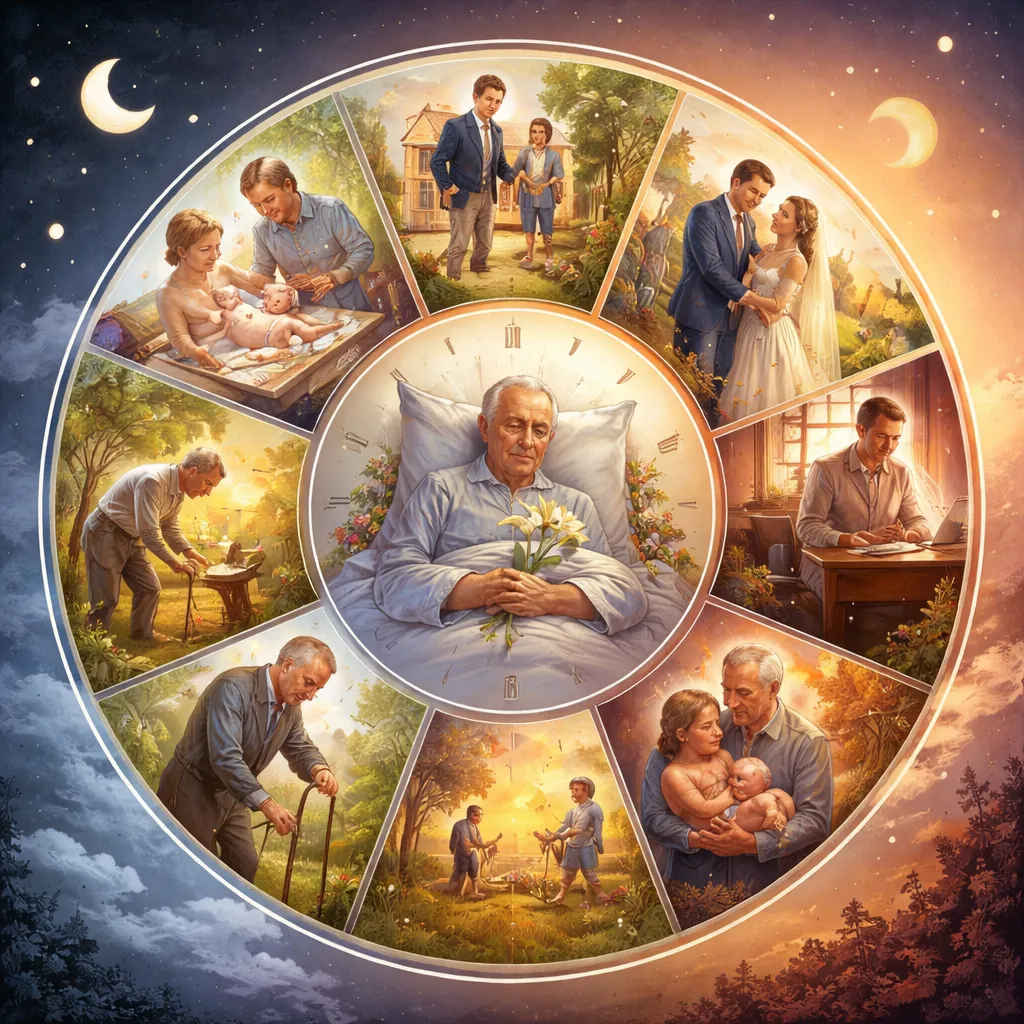
Full lyrics: Solomon Grundy, / Born on a Monday, / Christened on Tuesday, / Married on Wednesday, / Took ill on Thursday, / Grew worse on Friday, / Died on Saturday, / Buried on Sunday. / That was the end / Of Solomon Grundy.
This is a traditional English nursery rhyme and counting chant. It is not a song with a big tune, but words we say in a steady, rhythmic way. The poem is like a tiny, sad book. It uses the seven days of the week as chapters to tell the entire life of a man named Solomon Grundy. Each day brings one big event. The rhyme makes us think about how fast time can feel and how we use our own days.
What the Song is About
The poem paints a clear, simple picture for each day. On Monday, a baby boy is born. His name is Solomon Grundy. On Tuesday, people have a ceremony for him and give him his official name at church. This is called being christened. On Wednesday, he grows up and gets married. He stands with his partner and makes big promises. On Thursday, he becomes sick. He feels very unwell. On Friday, his sickness becomes more serious. He feels even worse. On Saturday, his life ends. He dies. On Sunday, his friends and family put his body in the ground. They bury him to say goodbye. The poem starts with a beginning and ends with an ending, all in seven lines.
Who Made It & Its Story
The creator of this rhyme is unknown. It comes from England a long time ago, perhaps in the 1800s. People think it might have started as a way for children to remember the order of the days of the week. Each day is linked to a major life event, making the sequence easier to remember. The name "Solomon Grundy" is funny and strange. It might have been a made-up name that sounds good in the rhyme. Some people think it could be connected to a type of food called "solomon gundy," which is pickled fish, but no one knows for sure.
Why has this sad little rhyme stayed popular for so long? First, it is an amazing tool for memory. Linking the days to big events helps anyone learn "Monday, Tuesday, Wednesday" perfectly. Second, its rhythm is very strong and steady, like the ticking of a clock. It is easy to chant and hard to forget. Third, it makes children think and ask big questions. It talks about life and death in a simple way. This can start important conversations with family about feelings, time, and how we live.
When to Sing It
You can chant the Solomon Grundy rhyme during quiet times or when you are thinking about time. It is not a song for dancing, but for remembering and wondering. Here are some good times for it.
On a Monday morning, looking at the week ahead on a calendar. Point to each day as you say the rhyme. During a long car ride on a Thursday or Friday, watching the world go by. Chant it slowly like a clock. When you are learning to write the days of the week. Say the rhyme for each day as you write the word. On a Sunday evening, thinking about the week that just passed. Talk about what your own "Monday event" and "Saturday event" were.
What Children Can Learn
Vocabulary & Language Skills
This rhyme teaches us special words about life. "Christened" is an old word for a ceremony where a baby is given a name and welcomed into a Christian church. "Married" means two people promise to live together as partners for life. "Took ill" is an old-fashioned way to say "became sick." "Grew worse" means the sickness became more serious. "Buried" means to put a dead body in a hole in the ground, usually at a special place called a cemetery. The rhyme is a great example of the simple past tense. It tells a finished story. Look at the verbs: was born, was christened, was married, took ill, grew worse, died, was buried. They all tell us what happened in the past. The words "on Monday," "on Tuesday," etc., show us how to use "on" for days of the week.
Sounds & Rhythm Fun
Listen to the sound pattern. The name "Solomon Grundy" has a funny, rumbling sound. The most important sound is the rhyme at the end of each line. "Monday" sounds like "Tuesday," but the real rhyme is in the middle: "Monday," "Tuesday," "Wednesday," "Thursday," "Friday," "Saturday," "Sunday." The "-day" part repeats every time, making a perfect, predictable pattern. The rhythm is slow and steady, like footsteps or a heartbeat. It is not a fast, jumping rhythm. It is a serious, walking rhythm. This strong, regular beat makes the order of the days lock into your memory. You can almost march to it, one step for each day.
Culture & Big Ideas
This rhyme comes from old England. It mentions "christened," which was a very common and important event for families in Christian countries. It shows a traditional life path from that time: birth, a church ceremony, marriage, and a church burial. The poem presents the cycle of life in a simple way. Life has a beginning, a middle, and an end, just like a story. The main idea is about time. A whole life feels very long, but the poem shows it can be measured in just seven days. This reminds us that time is precious. It also shows how a community is there for a person's big moments: at birth (christening), at marriage, and at death (burial).
Values & Imagination
Let your imagination fill in the blanks. The poem only gives us the facts. What was Solomon Grundy like? Was he a kind man? What did he do for work? What made him laugh? Imagine his wedding on Wednesday. What color was the sky? What did his wife's dress look like? Imagine his friends visiting him when he was ill on Thursday. What did they say to make him feel better? This thinking teaches us that every person has a full, rich story, even if we only know a little bit of it. The rhyme can make us think about our own lives. It encourages us to cherish each day and the people we share them with. Here is a small idea. Think about your last week. Can you give each day a special title, like "Played Soccer Saturday" or "Ate Ice Cream Tuesday"? Make your own happy version of a week.
Your Core Takeaways
You have just explored a deep and memorable rhyme. You know that Solomon Grundy is a traditional English poem that tells a life story using the days of the week. You understand the meaning of words like christened and buried, and you can feel the steady, marching rhythm. Most importantly, you have seen how a story can help us remember important things, like the order of days, and how it can make us think about big ideas like time and life in a gentle way.
Your Practice Missions
First, be a calendar storyteller. Take a calendar and point to each day of this week. For each day, say one true thing that happened or will happen, using the "on [Day]" pattern from the rhyme, like "On Monday, I went to school." Second, imagine a new middle. The rhyme jumps from Wednesday (married) to Thursday (ill). Imagine what Solomon Grundy did on Wednesday afternoon after his wedding. Draw a picture or tell a family member a happy story about his wedding picnic or dance.