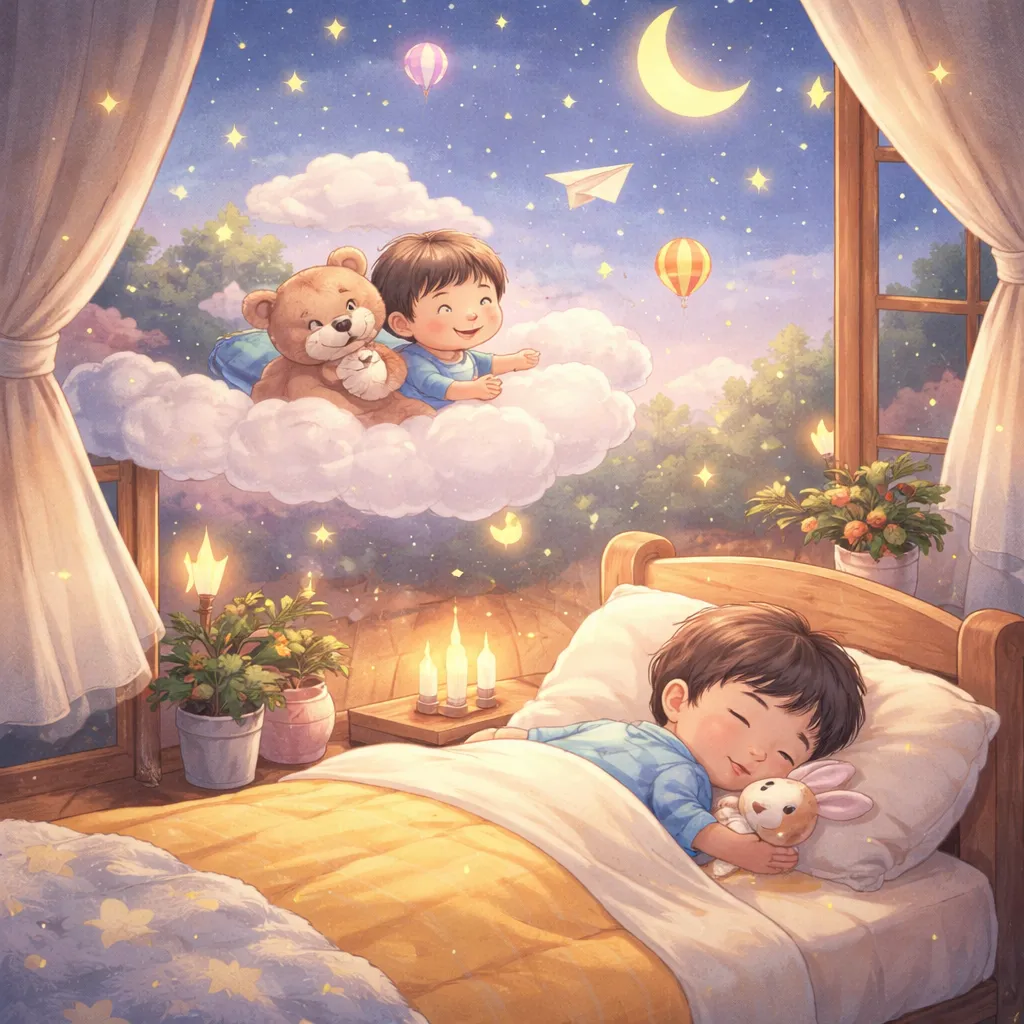

Some songs wrap children in warmth like a cozy blanket. The Chinese Songs: Little Bed (小床) does exactly that. This gentle lullaby celebrates the little bed where children rest, dream, and wake up refreshed. For families learning English and Chinese together, this song offers a beautiful way to explore bedtime vocabulary, the comfort of rest, and the magic of dreams. Let us discover what makes this traditional song so soothing for young learners.
What Is the Story Behind This Famous Song?
The Chinese Songs: Little Bed (小床) is a beloved lullaby from China. It describes a child's small bed as a safe, warm place where they sleep peacefully through the night. The song comforts children as they drift off to sleep.
In Chinese culture, bedtime is a special time. Parents tuck children in, sing lullabies, and wish them sweet dreams. The bed becomes a little nest, a safe harbor after a busy day of playing and learning.
The song personifies the little bed as a gentle friend who holds the child safely all night. It doesn't move or complain. It simply waits, providing a soft place for rest and dreams.
The melody is soft and rocking, like a mother gently swaying. Children often close their eyes while listening, feeling safe and loved.
Understanding this背景 helps families appreciate the song's connection to bedtime routines and the universal need for rest. It opens conversations about sleep, dreams, and the comfort of having a special place to rest.
The Complete Lyrics of the Song
Reading the words helps us understand this cozy bedtime scene. Here are the lyrics to the Chinese Songs: Little Bed (小床) in Chinese characters, pinyin, and English.
小床,小床,软软又宽敞
Xiǎo chuáng, xiǎo chuáng, ruǎn ruǎn yòu kuān chǎng
Little bed, little bed, soft soft and spacious
被子盖身上,枕头在身旁
Bèi zi gài shēn shàng, zhěn tou zài shēn páng
Blanket cover body on, pillow at body side
小床,小床,陪我入梦乡
Xiǎo chuáng, xiǎo chuáng, péi wǒ rù mèng xiāng
Little bed, little bed, accompany me enter dreamland
星星眨眼睛,月亮在歌唱
Xīng xing zhǎ yǎn jīng, yuè liang zài gē chàng
Stars blink eyes, moon is singing
小床,小床,天亮醒过来
Xiǎo chuáng, xiǎo chuáng, tiān liàng xǐng guò lái
Little bed, little bed, sky bright wake up
伸个小懒腰,又是新一天
Shēn gè xiǎo lǎn yāo, yòu shì xīn yī tiān
Stretch a little lazy waist, again is new day
Learning New Words from the Song
The Chinese Songs: Little Bed (小床) introduces many useful words. Let us explore them in both Chinese and English.
First, "小床" (xiǎo chuáng) means little bed. "床" (chuáng) is bed, one of the first nouns children learn.
"软软又宽敞" (ruǎn ruǎn yòu kuān chǎng) means soft soft and spacious. Repeating "软" (ruǎn) emphasizes softness. "宽敞" (kuān chǎng) means spacious or roomy.
"被子盖身上" (bèi zi gài shēn shàng) means blanket cover body on. "被子" (bèi zi) is blanket. "盖" (gài) means cover. "身上" (shēn shàng) means on the body.
"枕头在身旁" (zhěn tou zài shēn páng) means pillow at body side. "枕头" (zhěn tou) is pillow. "身旁" (shēn páng) means beside the body.
"陪我入梦乡" (péi wǒ rù mèng xiāng) means accompany me enter dreamland. "入" (rù) means enter. "梦乡" (mèng xiāng) means dreamland, a poetic word for deep sleep.
"星星眨眼睛" (xīng xing zhǎ yǎn jīng) means stars blink eyes. "星星" (xīng xing) are stars. "眨" (zhǎ) means blink. "眼睛" (yǎn jīng) means eyes. This personification makes the night sky friendly.
"月亮在歌唱" (yuè liang zài gē chàng) means moon is singing. "月亮" (yuè liang) is moon. "歌唱" (gē chàng) means sing. The night becomes musical.
"天亮醒过来" (tiān liàng xǐng guò lái) means sky bright wake up. "亮" (liàng) means bright. "醒" (xǐng) means wake. "过来" (guò lái) means come over, showing returning to consciousness.
"伸个小懒腰" (shēn gè xiǎo lǎn yāo) means stretch a little lazy waist. This describes the morning stretch.
"又是新一天" (yòu shì xīn yī tiān) means again is new day. Each morning brings fresh possibilities.
Exploring Pronunciation and Rhythm
The Chinese Songs: Little Bed (小床) offers wonderful practice with Mandarin tones and rhythm. The lullaby melody rocks gently back and forth.
Listen to "Xiǎo chuáng, xiǎo chuáng" repeated. The tones go: xiǎo (third tone, falling then rising), chuáng (second tone, rising). The rising tone feels like floating up into dreams.
The phrase "ruǎn ruǎn yòu kuān chǎng" uses third tone for "ruǎn" (falling then rising), repeated, fourth tone for "yòu" (falling), first tone for "kuān" (high level), and third tone for "chǎng" (falling then rising). The soft tones feel like a cozy bed.
"Xīng xing zhǎ yǎn jīng" uses first tone for "xīng" (high level), neutral for "xing", third tone for "zhǎ" (falling then rising), third tone for "yǎn" (falling then rising), and first tone for "jīng" (high level). The blinking stars come alive.
Finding Grammar Patterns in the Lyrics
The Chinese Songs: Little Bed (小床) offers useful grammar examples for Chinese learners. One pattern appears with "又" (yòu) meaning "and" or "again". "软软又宽敞" uses it to connect two qualities.
The song uses "在" (zài) to indicate location. "枕头在身旁" shows where the pillow is. This basic structure is essential.
Another pattern appears with "入" (rù) meaning enter. "入梦乡" shows going into dreamland. This directional verb is common.
The phrase "在歌唱" (zài gē chàng) uses "在" (zài) before a verb to show ongoing action. The moon is currently singing.
"醒过来" (xǐng guò lái) uses the directional complement "过来" (guò lái) to show returning to a state. Waking up is coming back to awareness.
"又是新一天" (yòu shì xīn yī tiān) uses "又是" to mean "again is". This expresses daily renewal.
Fun Learning Activities for the Whole Family
Listening to the Chinese Songs: Little Bed (小床) can inspire many family activities. Here are some ideas to try together.
First, create a cozy bedtime routine. Use the song as part of winding down for sleep. Before bed, talk about the bed in Chinese. "我的小床" (my little bed), "软软的被子" (soft blanket), "舒服的枕头" (comfortable pillow). This makes bedtime a language learning moment.
Second, talk about dreams. In the morning, ask children what they dreamed about. Use Chinese to share. "我梦见星星" (I dreamed about stars), "月亮对我笑" (moon smiled at me). This builds imagination and narrative skills.
Third, practice morning stretches. When waking up, stretch like in the song. Say "伸个懒腰" (stretch) in Chinese. Talk about the new day. "新的一天" (new day), "早安" (good morning). This starts the day with language.
Creating Printable Materials at Home
Families can make simple learning tools based on the Chinese Songs: Little Bed (小床). These activities help reinforce new ideas.
Create bilingual bedtime flashcards. On one side, write the Chinese character and pinyin for bedtime words. Bed, 床. Blanket, 被子. Pillow, 枕头. Dream, 梦. On the other side, draw a picture and write the English word. Review these cards during bedtime routine.
Make a night sky drawing page. Draw a scene with stars, moon, and a little bed. Label everything in Chinese. "星星" (stars), "月亮" (moon), "小床" (little bed). Color and talk about the picture before sleep.
Create a fill-in-the-blank page using song lyrics in pinyin. Remove key words like "chuáng", "bèi zi", "zhěn tou", "xīng xing", "yuè liang", and "mèng". Leave blanks where those words belong. Listen to the song together and fill in the missing words. This builds listening and character recognition.
Connecting the Song to Daily Life
The Chinese Songs: Little Bed (小床) connects to daily life through sleep and dreams. Every child has a bed. Every child sleeps and wakes.
Talk with your children about their bed. How does it feel? What do they like about it? Use Chinese to share. "我的床很舒服" (my bed is very comfortable), "我喜欢我的小床" (I like my little bed). This builds personal connection to vocabulary.
The song also teaches about the cycle of day and night. Night brings rest. Morning brings new energy. Use Chinese to talk about this rhythm. "天黑了,睡觉" (sky dark, sleep), "天亮了,起床" (sky bright, wake up). This builds time vocabulary.
Parents can model gratitude for rest. When tucking children in, say "谢谢小床" (thank you little bed) and "好梦" (sweet dreams). This creates loving bedtime rituals.
Educational Games to Play Together
Games make learning with the Chinese Songs: Little Bed (小床) exciting. Here are some simple games to try.
Play the bedtime routine game. Act out getting ready for bed. Brush teeth, put on pajamas, get in bed. Use Chinese for each step. "刷牙" (brush teeth), "穿睡衣" (wear pajamas), "睡觉" (sleep). This builds routine vocabulary.
Try the dream storytelling game. One person starts a dream story. "我梦见..." (I dreamed that...). Next person adds a sentence. Continue building a dream together. This builds narrative skills.
Play the wake up game. One person pretends to be asleep. Another gently wakes them and says "天亮了,起床" (sky bright, wake up). The waking person stretches and says "新的一天" (new day). This builds morning vocabulary.
Why This Song Helps Language Learning
The Chinese Songs: Little Bed (小床) helps learners in special ways. The gentle lullaby tempo makes words easy to hear. Each phrase is clear and soothing. This helps children absorb vocabulary without stress.
The bedtime theme connects to daily routine. Children hear these words every night. Repetition in real life reinforces learning.
The dream theme sparks imagination. Children love talking about dreams. This engagement keeps them interested in the language.
The comfort of bed creates positive associations. Children feel safe and loved when thinking about their bed. This emotional connection deepens learning.
Making Music Part of Your Routine
Families can make songs a regular part of bilingual learning. Choose one song each week to explore together. Listen during bedtime routines or quiet moments.
The Chinese Songs: Little Bed (小床) works perfectly for bedtime. Play it while tucking children in. Let the music carry them gently into dreams.
Remember that language learning thrives in peaceful moments. When children associate Chinese with cozy beds and sweet dreams, they learn naturally. They understand that words can be as comforting as a soft blanket.
Keep singing, keep dreaming, and keep resting well together. In the gentle night of bilingual learning, every new word is like a lullaby, soothing your child into sweet dreams of language.