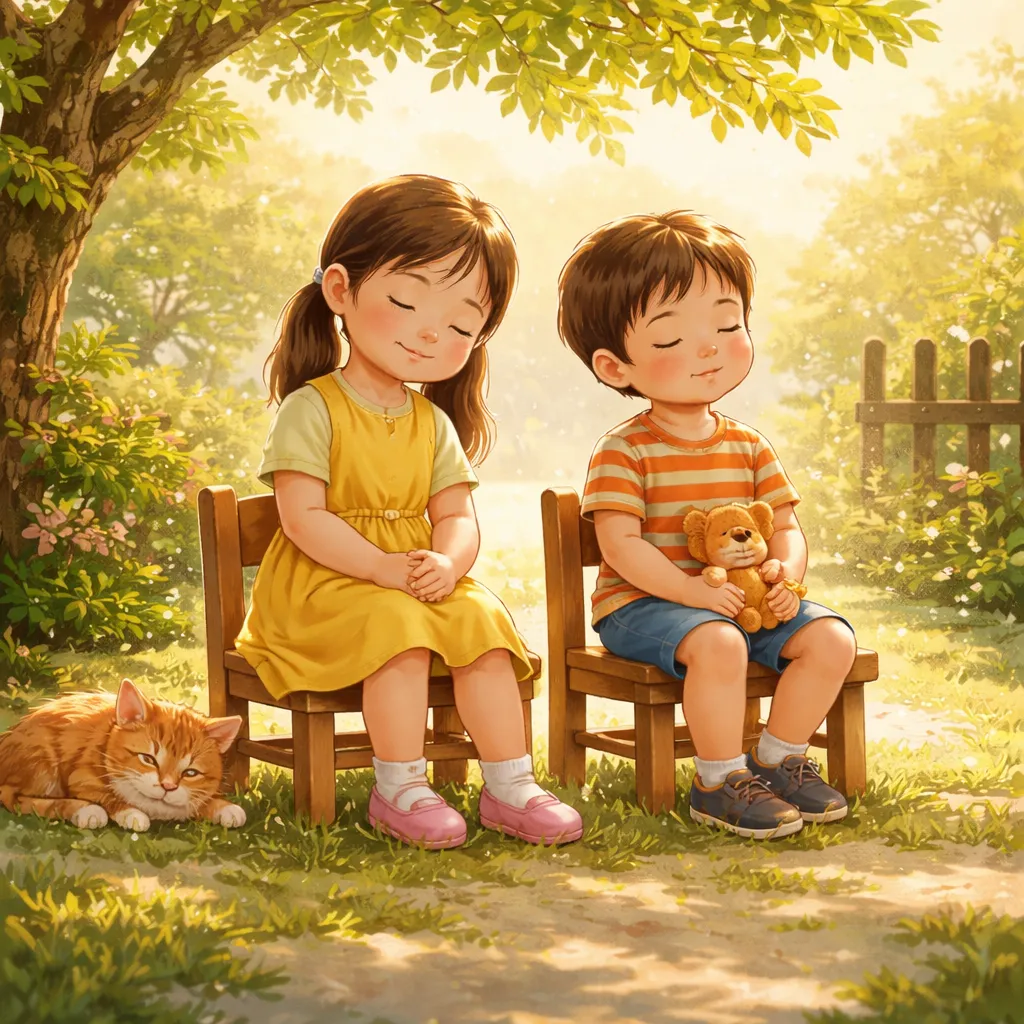

Some songs celebrate the quiet moments when we rest. The Chinese Songs: Little Chair (小椅子) does exactly that. This gentle children's song honors the little chair where children sit to rest, eat, and learn. For families learning English and Chinese together, this song offers a wonderful way to explore daily routines, gratitude, and the simple comfort of having a place to sit. Let us discover what makes this traditional song so heartwarming for young learners.
What Is the Story Behind This Famous Song?
The Chinese Songs: Little Chair (小椅子) is a beloved children's song from China. It describes a small chair that waits patiently for a child to sit down. The song teaches children to appreciate the simple furniture that supports them every day.
In Chinese homes and classrooms, chairs are essential companions. Children sit on them to eat meals, do homework, and listen to stories. A chair is always there, ready to provide a comfortable place to rest.
The song personifies the little chair as a patient friend who waits all day for the child. It never complains about being empty. It simply stands ready, hoping the child will come and sit.
The melody is gentle and rocking, like a chair that sways slightly. Children often rock gently while singing, imagining themselves sitting comfortably.
Understanding this背景 helps families appreciate the song's message of patience and gratitude. It opens conversations about waiting, resting, and appreciating the simple things in life.
The Complete Lyrics of the Song
Reading the words helps us understand this patient friend. Here are the lyrics to the Chinese Songs: Little Chair (小椅子) in Chinese characters, pinyin, and English.
小椅子,小椅子,四条腿儿站
Xiǎo yǐ zi, xiǎo yǐ zi, sì tiáo tuǐ er zhàn
Little chair, little chair, four little legs stand
等我回家放下书,坐你上面玩
Děng wǒ huí jiā fàng xià shū, zuò nǐ shàng miàn wán
Wait for me return home put down books, sit on you play
小椅子,小椅子,让我靠一靠
Xiǎo yǐ zi, xiǎo yǐ zi, ràng wǒ kào yī kào
Little chair, little chair, let me lean lean
累了你就托着我,就像妈妈抱
Lèi le nǐ jiù tuō zhe wǒ, jiù xiàng mā ma bào
Tired you then hold me, just like mom hug
小椅子,小椅子,轻轻搬动你
Xiǎo yǐ zi, xiǎo yǐ zi, qīng qīng bān dòng nǐ
Little chair, little chair, gently move you
不推不摔爱护你,我们在一起
Bù tuī bù shuāi ài hù nǐ, wǒ men zài yī qǐ
Not push not drop cherish you, we together
Learning New Words from the Song
The Chinese Songs: Little Chair (小椅子) introduces many useful words. Let us explore them in both Chinese and English.
First, "小椅子" (xiǎo yǐ zi) means little chair. "椅" (yǐ) means chair. "子" (zi) is a common suffix for nouns.
"四条腿儿站" (sì tiáo tuǐ er zhàn) means four little legs stand. "条" (tiáo) is a measure word for long things. "腿" (tuǐ) means leg. "站" (zhàn) means stand.
"等我回家放下书" (děng wǒ huí jiā fàng xià shū) means wait for me return home put down books. "等" (děng) means wait. "回家" (huí jiā) means return home. "放下" (fàng xià) means put down.
"坐你上面玩" (zuò nǐ shàng miàn wán) means sit on you play. "坐" (zuò) means sit. "上面" (shàng miàn) means on top. "玩" (wán) means play.
"让我靠一靠" (ràng wǒ kào yī kào) means let me lean lean. "让" (ràng) means let or allow. "靠" (kào) means lean. Repeating the verb makes the action brief.
"累了你就托着我" (lèi le nǐ jiù tuō zhe wǒ) means tired you then hold me. "累" (lèi) means tired. "托" (tuō) means hold up or support.
"就像妈妈抱" (jiù xiàng mā ma bào) means just like mom hug. This beautiful comparison shows how comforting the chair feels.
"轻轻搬动你" (qīng qīng bān dòng nǐ) means gently move you. Repeating "轻" (qīng) makes the movement even softer.
"不推不摔爱护你" (bù tuī bù shuāi ài hù nǐ) means not push not drop cherish you. The child promises to treat the chair gently.
"我们在一起" (wǒ men zài yī qǐ) means we together. The child and chair are companions.
Exploring Pronunciation and Rhythm
The Chinese Songs: Little Chair (小椅子) offers wonderful practice with Mandarin tones and rhythm. The gentle, rocking melody matches the comforting theme.
Listen to "Xiǎo yǐ zi" repeated. The tones go: xiǎo (third tone, falling then rising), yǐ (third tone), zi (neutral). The neutral ending softens the word.
The phrase "sì tiáo tuǐ er zhàn" uses fourth tone for "sì" (falling), second tone for "tiáo" (rising), third tone for "tuǐ" (falling then rising), neutral for "er", and fourth tone for "zhàn" (falling). The pattern feels like legs standing firmly.
"Jiù xiàng mā ma bào" uses fourth tone for "jiù" (falling), fourth tone for "xiàng" (falling), first tone for "mā" (high level), neutral for "ma", and fourth tone for "bào" (falling). The falling tones create a sense of security.
Finding Grammar Patterns in the Lyrics
The Chinese Songs: Little Chair (小椅子) offers useful grammar examples for Chinese learners. One pattern appears with the verb "等" (děng) meaning wait. "等我回家" shows waiting for an action to happen.
The song uses "放下" (fàng xià) with the directional complement "下" (xià) meaning down. This shows putting something onto a surface.
Another pattern appears with verb reduplication. "靠一靠" (kào yī kào) shows doing something briefly. This friendly form makes requests softer.
The word "就" (jiù) in "你就托着我" means "then" and shows immediate response. When tired, the chair immediately supports.
The comparison "就像" (jiù xiàng) means "just like". This teaches how to make comparisons.
The negative commands "不推不摔" use "不" (bù) to express what not to do.
Fun Learning Activities for the Whole Family
Listening to the Chinese Songs: Little Chair (小椅子) can inspire many family activities. Here are some ideas to try together.
First, practice sitting mindfully. Sit on chairs together and notice how they feel. Thank your chairs in Chinese. "谢谢椅子" (thank you chair), "椅子真舒服" (chair is really comfortable). This builds gratitude and body awareness.
Second, learn chair vocabulary. Look at different chairs around your home. Describe them in Chinese. "大椅子" (big chair), "红椅子" (red chair), "木头椅子" (wooden chair). This builds descriptive vocabulary.
Third, practice moving chairs carefully. Show children how to gently push in chairs without scraping floors. Use Chinese phrases. "轻轻推" (gently push), "慢慢放" (slowly place). This builds careful habits and language.
Creating Printable Materials at Home
Families can make simple learning tools based on the Chinese Songs: Little Chair (小椅子). These activities help reinforce new ideas.
Create bilingual furniture flashcards. On one side, write the Chinese character and pinyin for furniture words. Chair, 椅子. Table, 桌子. Bed, 床. On the other side, draw a picture and write the English word. Practice by finding these items around the house.
Make a chair counting book. Fold papers together to make a small book. On each page, draw a different number of chairs. Write the number in Chinese and English. "三把椅子" (three chairs). This builds number and measure word vocabulary.
Create a fill-in-the-blank page using song lyrics in pinyin. Remove key words like "yǐ zi", "tuǐ", "zuò", "kào", "lèi", and "bào". Leave blanks where those words belong. Listen to the song together and fill in the missing words. This builds listening and character recognition.
Connecting the Song to Daily Life
The Chinese Songs: Little Chair (小椅子) connects to daily life through rest and gratitude. Every day, children sit many times. Chairs are always there.
Talk with your children about times they feel tired and need to rest. Where do they sit? How does it feel? Use Chinese to share. "我累了,坐椅子" (I'm tired, sit chair) or "椅子很舒服" (chair is very comfortable). This builds body and feeling vocabulary.
The song also teaches about waiting. The chair waits patiently for the child. In life, we also wait for many things. Use Chinese to talk about patience. "等一下" (wait a moment), "耐心等待" (wait patiently). This builds patience vocabulary.
Parents can model gratitude for furniture. When sitting down, say "谢谢椅子" (thank you chair). Children learn to appreciate the objects that serve them.
Educational Games to Play Together
Games make learning with the Chinese Songs: Little Chair (小椅子) exciting. Here are some simple games to try.
Play the musical chairs game with Chinese instructions. Play music and walk around chairs. When music stops, everyone sits and says "我坐椅子" (I sit chair). Remove one chair each round. This builds listening and quick response.
Try the chair hide and seek. Hide a small object under or near a chair. Give clues in Chinese. "在椅子下面" (under the chair), "在椅子旁边" (next to the chair). Children search and say where they found it. This builds preposition vocabulary.
Play the chair dance game. Call out actions with chairs. "搬椅子" (move chair), "擦椅子" (wipe chair), "靠椅子" (lean on chair). Everyone does the action. This builds action vocabulary.
Why This Song Helps Language Learning
The Chinese Songs: Little Chair (小椅子) helps learners in special ways. The gentle tempo makes words easy to hear. Each phrase is clear. This helps children catch new vocabulary without feeling rushed.
The comfort theme creates positive associations. Children feel safe and cozy when thinking about chairs. This emotional connection deepens learning.
The patience theme teaches character along with language. Children learn about waiting while learning new words.
The comparison to mother's hug is powerful. Children understand this deep comfort and remember the words.
Making Music Part of Your Routine
Families can make songs a regular part of bilingual learning. Choose one song each week to explore together. Listen during rest times or while sitting together.
The Chinese Songs: Little Chair (小椅子) works perfectly for quiet moments. Play it when children need to rest or calm down. Let the music comfort them like a gentle chair.
Remember that language learning thrives in restful moments. When children associate Chinese with comfort and rest, they learn naturally. They understand that words can feel as good as a cozy chair.
Keep singing, keep resting, and keep appreciating the simple comforts together. In the great home of bilingual learning, every new word is like a little chair, ready to support your child whenever they need to rest.