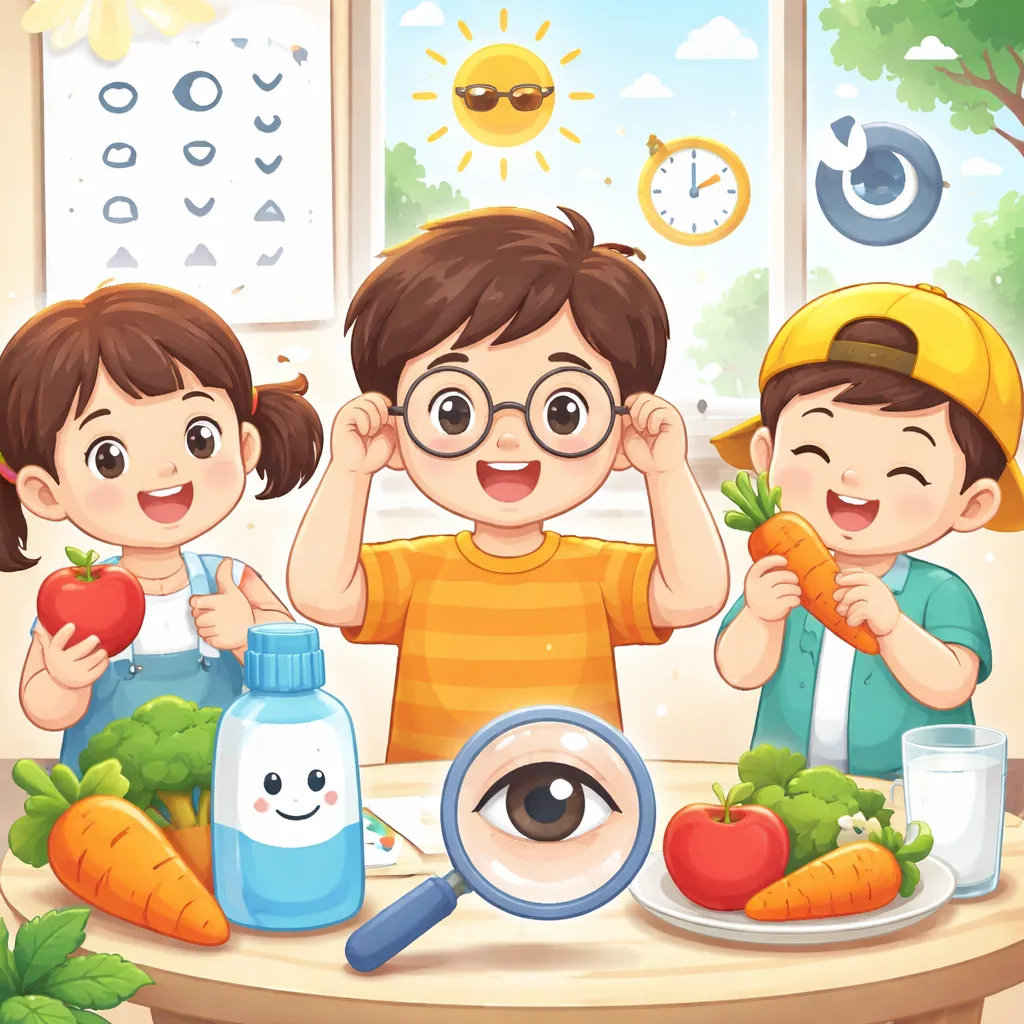

Some songs carry important lessons about taking care of ourselves. The Chinese Songs: Little Glasses (小眼镜) does exactly that. This gentle children's song teaches about eye care and why we should protect our vision. For families learning English and Chinese together, this song offers a wonderful way to explore body parts, healthy habits, and the importance of seeing clearly. Let us discover what makes this thoughtful song so valuable for young learners.
What Is the Story Behind This Famous Song?
The Chinese Songs: Little Glasses (小眼镜) is a popular children's song from China that teaches about eye health. It tells the story of a child who needs to wear glasses because they didn't take good care of their eyes. The song gently reminds children to protect their vision.
In modern China, as in many countries, more children need glasses at younger ages. Too much time looking at screens, reading in poor light, and not enough outdoor play can strain young eyes. This song helps children understand why eye care matters.
The song personifies the glasses as "little glasses" that become a friend who helps the child see. But the message is clear. It's better to take care of your eyes so you might not need glasses at all.
The melody is gentle and caring, like a parent reminding a child. It doesn't scold. It simply explains and encourages good habits. Children learn that taking care of their eyes is a form of self-love.
Understanding this背景 helps families appreciate the song's practical wisdom. It opens conversations about health, habits, and how we can take care of our bodies.
The Complete Lyrics of the Song
Reading the words helps us understand this caring message. Here are the lyrics to the Chinese Songs: Little Glasses (小眼镜) in Chinese characters, pinyin, and English.
小眼镜,小眼镜,鼻梁上面坐
Xiǎo yǎn jìng, xiǎo yǎn jìng, bí liáng shàng miàn zuò
Little glasses, little glasses, on nose bridge sit
看东西,真清楚,世界变明亮
Kàn dōng xi, zhēn qīng chǔ, shì jiè biàn míng liǎng
Look at things, really clear, world becomes bright
小眼镜,小眼镜,为啥找到我
Xiǎo yǎn jìng, xiǎo yǎn jìng, wèi shá zhǎo dào wǒ
Little glasses, little glasses, why found me
看电视,玩手机,眼睛累坏啦
Kàn diàn shì, wán shǒu jī, yǎn jīng lèi huài la
Watch TV, play phone, eyes tired broken
小眼镜,小眼镜,我要爱护眼
Xiǎo yǎn jìng, xiǎo yǎn jìng, wǒ yào ài hù yǎn
Little glasses, little glasses, I will cherish eyes
多远眺,做眼操,明亮每一天
Duō yuǎn tiào, zuò yǎn cāo, míng liàng měi yī tiān
More look far, do eye exercises, bright every day
Learning New Words from the Song
The Chinese Songs: Little Glasses (小眼镜) introduces many useful words. Let us explore them in both Chinese and English.
First, "小眼镜" (xiǎo yǎn jìng) means little glasses. "眼" (yǎn) means eye. "镜" (jìng) means lens or mirror. Together they mean glasses or spectacles.
"鼻梁上面坐" (bí liáng shàng miàn zuò) means on nose bridge sit. "鼻梁" (bí liáng) is the bridge of the nose. "坐" (zuò) means sit, personifying the glasses.
"看东西" (kàn dōng xi) means look at things. "看" (kàn) means look or watch. "东西" (dōng xi) means things or objects.
"真清楚" (zhēn qīng chǔ) means really clear. This describes good vision.
"世界变明亮" (shì jiè biàn míng liǎng) means world becomes bright. "世界" (shì jiè) means world. "变" (biàn) means become. "明亮" (míng liàng) means bright.
"为啥找到我" (wèi shá zhǎo dào wǒ) means why found me. "为啥" (wèi shá) is casual for why. "找到" (zhǎo dào) means find. The child wonders why they need glasses.
"看电视" (kàn diàn shì) means watch TV. "电视" (diàn shì) means television.
"玩手机" (wán shǒu jī) means play phone. "手机" (shǒu jī) means mobile phone.
"眼睛累坏啦" (yǎn jīng lèi huài la) means eyes tired broken. "累" (lèi) means tired. "坏" (huài) means broken or damaged. This shows what happens with too much screen time.
"爱护眼" (ài hù yǎn) means cherish eyes. "爱护" (ài hù) combines love and protection.
"多远眺" (duō yuǎn tiào) means more look far. Looking into distance rests the eyes.
"做眼操" (zuò yǎn cāo) means do eye exercises. Special exercises help keep eyes healthy.
"明亮每一天" (míng liàng měi yī tiān) means bright every day. This is the goal of good eye care.
Exploring Pronunciation and Rhythm
The Chinese Songs: Little Glasses (小眼镜) offers wonderful practice with Mandarin tones and rhythm. The caring melody matches the gentle message.
Listen to "Xiǎo yǎn jìng" repeated. The tones go: xiǎo (third tone, falling then rising), yǎn (third tone), jìng (fourth tone, falling). Three tones in sequence require careful practice.
The phrase "kàn dōng xi" uses fourth tone for "kàn" (falling), first tone for "dōng" (high level), and neutral for "xi". The falling tone emphasizes the action of looking.
"Yǎn jīng lèi huài la" uses third tone for "yǎn" (falling then rising), first tone for "jīng" (high level), fourth tone for "lèi" (falling), fourth tone for "huài" (falling), and neutral "la". The falling tones suggest something going wrong.
Finding Grammar Patterns in the Lyrics
The Chinese Songs: Little Glasses (小眼镜) offers useful grammar examples for Chinese learners. One pattern appears with resultative complements. "累坏" (lèi huài) uses "坏" (huài) to show the result of being tired. The eyes become damaged from strain.
The song uses "找到" (zhǎo dào) with the complement "到" (dào) showing successful finding. This structure appears often.
Another pattern appears with "多" (duō) meaning "more" before verbs. "多远眺" (duō yuǎn tiào) means do more of looking far. This teaches how to encourage actions.
The phrase "每一天" (měi yī tiān) means every day. "每" (měi) means every, and "天" (tiān) means day. This pattern works with other time words too.
The song uses simple commands for healthy habits. "多远眺" and "做眼操" are gentle suggestions using verb phrases.
Fun Learning Activities for the Whole Family
Listening to the Chinese Songs: Little Glasses (小眼镜) can inspire many family activities. Here are some ideas to try together.
First, practice eye exercises together. Learn simple eye exercises like looking far away, rolling eyes gently, and palming. Do them while saying Chinese phrases. "看远处" (look far), "闭上眼睛" (close eyes). This connects language to healthy habits.
Second, create a screen time chart. Track how much time family members spend on screens. Set goals for reducing screen time. Use Chinese words. "看电视" (watch TV), "玩手机" (play phone), "少看屏幕" (look less at screen). This builds awareness and vocabulary.
Third, go on a "look far" walk. Find a park or open space with distant views. Practice looking at faraway things. Name what you see in Chinese. "看那座山" (look at that mountain), "看天上的云" (look at clouds in sky). This combines eye care with language learning.
Creating Printable Materials at Home
Families can make simple learning tools based on the Chinese Songs: Little Glasses (小眼镜). These activities help reinforce new ideas.
Create bilingual eye care flashcards. On one side, write the Chinese character and pinyin for eye-related words. Eyes, 眼睛. Glasses, 眼镜. Look, 看. Far, 远. On the other side, draw a picture and write the English word. Review these cards during eye care routines.
Make a daily eye care chart. Draw a simple chart with spaces for each day. List healthy habits in Chinese. "看远处" (look far), "做眼操" (do eye exercises), "闭眼休息" (close eyes rest). Check off each day. This builds habit formation and vocabulary.
Create a fill-in-the-blank page using song lyrics in pinyin. Remove key words like "yǎn jìng", "yǎn jīng", "kàn", "lèi", "ài hù", and "míng liàng". Leave blanks where those words belong. Listen to the song together and fill in the missing words. This builds listening and character recognition.
Connecting the Song to Daily Life
The Chinese Songs: Little Glasses (小眼镜) connects to daily life through eye care. Every child uses their eyes constantly. Taking care of them matters.
Talk with your children about how eyes work. What helps them see? What hurts them? Use Chinese to discuss. "眼睛很重要" (eyes are very important) or "看电视太久伤眼睛" (watching TV too long hurts eyes). This builds health vocabulary.
The song also teaches about responsibility. The child realizes they need to take better care of their eyes. In daily life, children can take responsibility for their health. Use Chinese to encourage this. "你要爱护眼睛" (you need to cherish your eyes) or "自己保护自己" (protect yourself).
Parents can model good eye habits. Take breaks from screens. Look out windows at faraway views. Say "我在爱护眼睛" (I'm cherishing my eyes). Children learn by watching.
Educational Games to Play Together
Games make learning with the Chinese Songs: Little Glasses (小眼镜) exciting. Here are some simple games to try.
Play the "look far, look near" game. Call out "看远处" (look far) or "看近处" (look near). Children adjust their focus accordingly. This builds listening and helps eye muscles practice focusing.
Try the eye exercise freeze game. Play music while doing eye exercises. When music stops, freeze in position. Name the exercise in Chinese. "上下看" (look up down) or "左右看" (look left right). This builds vocabulary through movement.
Play the "what do you see?" game. Look out a window or at a picture. Take turns describing what you see in Chinese. "我看到一只鸟" (I see a bird) or "我看到白云" (I see white clouds). This builds observation and descriptive skills.
Why This Song Helps Language Learning
The Chinese Songs: Little Glasses (小眼镜) helps learners in special ways. The gentle tempo makes words easy to hear. Each phrase is clear. This helps children catch new vocabulary without feeling rushed.
The health theme connects to daily routines. Children hear these words every day when parents remind them about eye care. This repetition in real life reinforces learning.
The personal question "why found me" makes children think. They engage with the song's message personally, wondering about their own eye habits.
The practical advice gives children useful language they can actually use. "多看远处" and "做眼操" become part of their daily vocabulary.
Making Music Part of Your Routine
Families can make songs a regular part of bilingual learning. Choose one song each week to explore together. Listen during screen breaks or before eye exercises.
The Chinese Songs: Little Glasses (小眼镜) works perfectly for eye care moments. Play it when reminding children to rest their eyes. Let the music reinforce healthy habits.
Remember that language learning thrives in practical moments. When children associate Chinese with taking care of themselves, they learn naturally. They understand that words help them live healthier lives.
Keep singing, keep looking far, and keep your family's eyes bright together. In the clear vision of bilingual learning, every new word helps children see the world more clearly.