
Original Story:
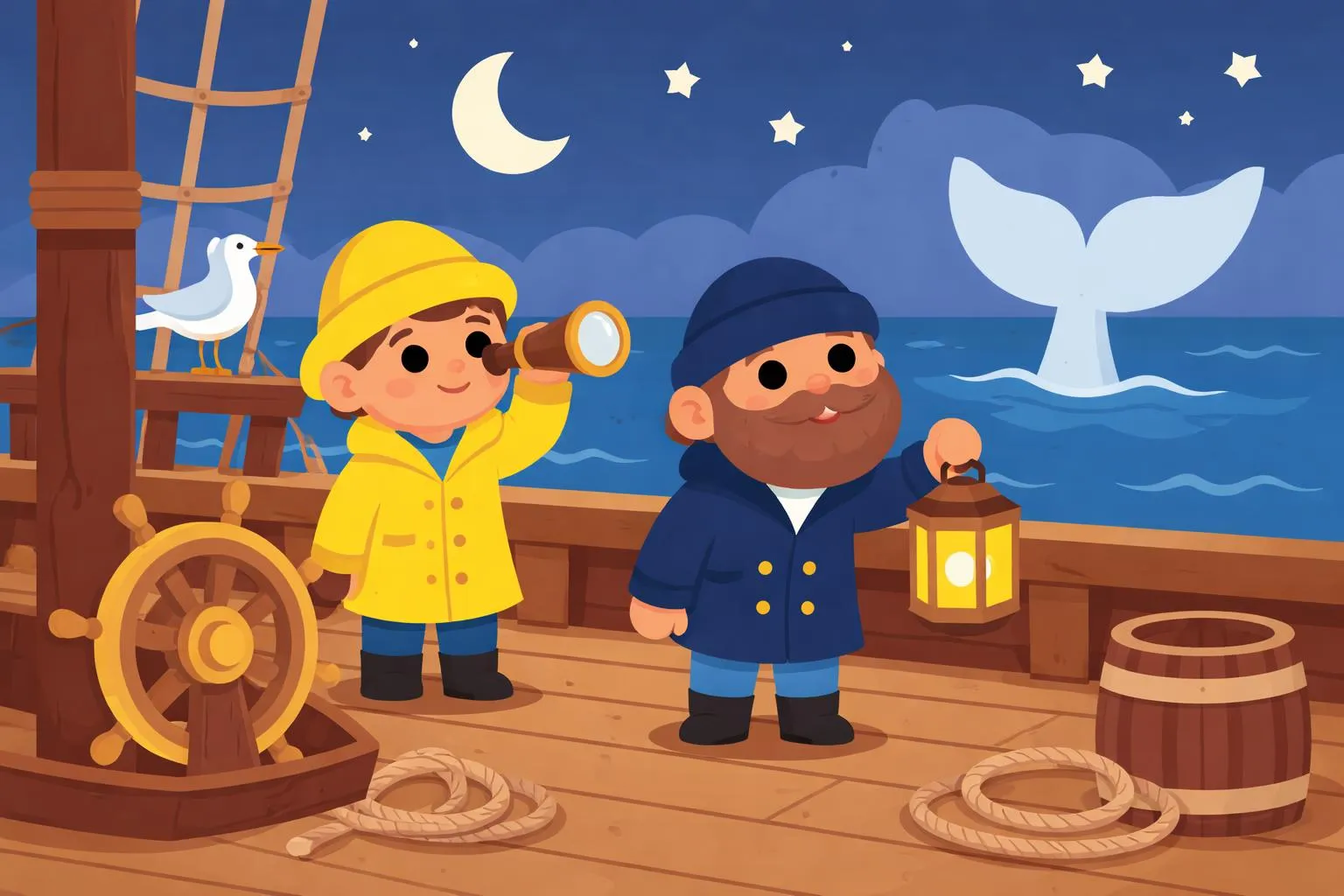
Ahab standing by the helm. Starbuck approaching him.
We must send down the main-top-sail yard, sir. The band is working loose and the lee lift is half-stranded. Shall I strike it, sir?”
“Strike nothing; lash it. If I had sky-sail poles, I’d sway them up now.”
“Sir!- in God’s name!- sir?”
“Well.”
“The anchors are working, sir. Shall I get them inboard?”
“Strike nothing, and stir nothing but lash everything. The wind rises, but it has not got up to my table-hands yet. Quick, and see to it.- By masts and keels! he takes me for the hunchbacked skipper of some coasting smack. Send down my main-top-sail yard! Ho, gluepots! Loftiest trucks were made for wildest winds, and this brain-truck of mine now sails amid the cloud-scud. Shall I strike that? Oh, none but cowards send down their brain-trucks in tempest time. What a hooroosh aloft there! I would e’en take it for sublime, did I not know that the colic is a noisy malady. Oh, take medicine, take medicine!”
Story Explanation and Analysis
This passage depicts a tense moment aboard a ship, with Captain Ahab standing firm at the helm while his first mate, Starbuck, advises caution. The dialogue reveals Ahab’s stubbornness and determination to face the storm without reducing sail or taking safety measures that might be considered prudent. The “main-top-sail yard” is a key part of the ship’s rigging, and Starbuck suggests lowering it to prevent damage, but Ahab refuses, insisting on lashing it instead. His metaphor of the “brain-truck” — his head — sailing amid the clouds shows his pride and resolve, even in the face of danger.
The story captures themes of courage, stubbornness, and the human struggle against nature’s forces. Ahab’s refusal to “strike” (lower) the sails symbolizes his defiance and unwillingness to yield, even when the situation demands caution. The vivid imagery of the storm and the ship’s rigging creates a dramatic atmosphere, emphasizing the tension between human will and the unpredictable sea.
Background and Author Introduction
This excerpt is from Moby-Dick, written by Herman Melville, an American novelist and sailor. Published in 1851, Moby-Dick is considered one of the greatest American novels and a classic of world literature. Melville drew on his own experiences at sea to craft a complex narrative exploring themes of obsession, revenge, and the human condition.
The character of Captain Ahab is iconic, representing the tragic hero whose monomaniacal pursuit of the white whale leads to his downfall. Melville’s rich language and philosophical depth make Moby-Dick a challenging but rewarding read, blending adventure with profound reflections on fate, nature, and humanity.
Lessons and Educational Value for Children and Students
From this passage and the larger work, children and students can learn several important lessons:
- Courage and Determination: Ahab’s steadfastness shows the value of bravery, but also warns against stubbornness and ignoring wise advice.
- Leadership and Responsibility: The interaction between Ahab and Starbuck highlights different leadership styles — boldness versus caution — and the importance of teamwork.
- Vocabulary and Nautical Knowledge: Terms like main-top-sail yard, lee lift, anchors, and helm introduce learners to maritime vocabulary and concepts.
- Metaphorical Thinking: Ahab’s “brain-truck” metaphor encourages students to appreciate figurative language and how it can convey complex ideas.
- Nature’s Power: The story emphasizes respect for natural forces and the limits of human control.
Practical Applications and Insights
- In Life: This story teaches the importance of balancing courage with prudence. Children can learn to listen to advice and assess risks carefully.
- In Learning: The passage encourages critical thinking about leadership decisions and the consequences of actions under pressure.
- In Literature Studies: Students can explore narrative techniques, character development, and symbolism.
- In Vocabulary Building: Understanding specialized terms enhances language skills and broadens knowledge.
Reading Comprehension Questions
- Who is standing by the helm in the story?
- What does Starbuck suggest should be done with the main-top-sail yard?
- How does Captain Ahab respond to Starbuck’s suggestion?
- What does Ahab mean by calling his head a “brain-truck”?
- What theme does the story illustrate about human behavior in the face of nature?
- Why might Ahab’s refusal to lower the sails be considered both brave and foolish?
- What kind of leadership styles are shown by Ahab and Starbuck?
- What can readers learn about teamwork from this passage?
Answers
- Captain Ahab is standing by the helm.
- Starbuck suggests sending down (lowering) the main-top-sail yard because it is loose and at risk.
- Ahab refuses to strike the sail and insists on lashing it instead, showing his determination to keep the sail up.
- Ahab’s “brain-truck” metaphor means his head or mind, which he compares to the highest part of the ship that faces the wildest winds, symbolizing his boldness.
- The story illustrates themes of courage, stubbornness, and the struggle between human will and nature’s power.
- Ahab’s refusal is brave because it shows resolve, but foolish because it ignores safety and the advice of others.
- Ahab shows a bold, risk-taking leadership style, while Starbuck shows caution and responsibility.
- Readers learn that good teamwork involves listening to others and balancing different perspectives.
This passage from Moby-Dick offers rich material for literary analysis, vocabulary development, and life lessons, making it a valuable resource for children and students studying classic literature.