
Original Story:
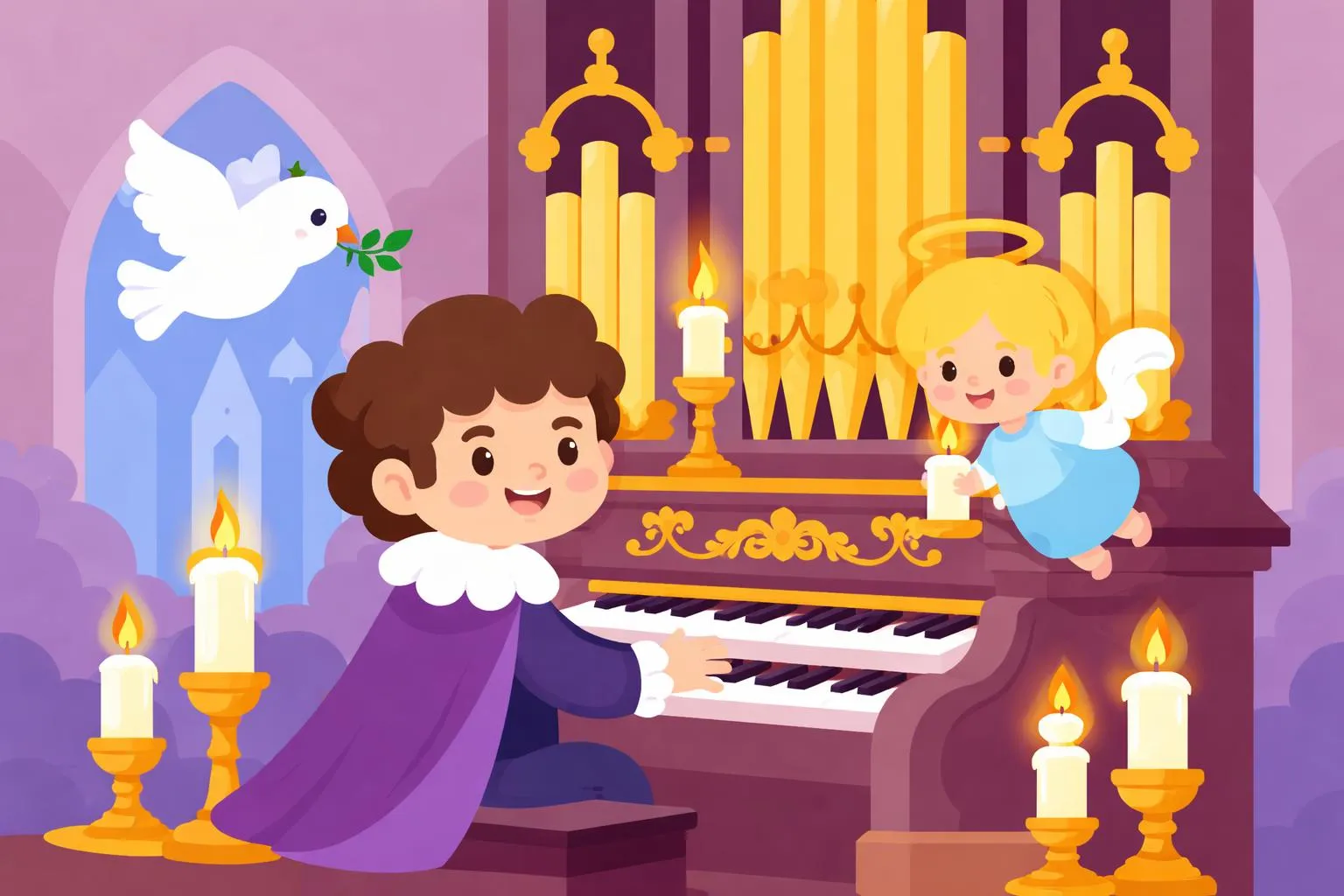
Ring out, ye bells! All Nature swells
With gladness at the wondrous story,—
The world was lorn,
But Christ is born
To change our sadness into glory.
Sing, earthlings, sing! To–night a King
Hath come from heaven’s high throne to bless us.
The outstretched hand
O’er all the land
Is raised in pity to caress us.
Come at his call;
Be joyful all;
Away with mourning and with sadness!
The heavenly choir
With holy fire
Their voices raise in songs of gladness.
The darkness breaks
And Dawn awakes,
Her cheeks suffused with youthful blushes.
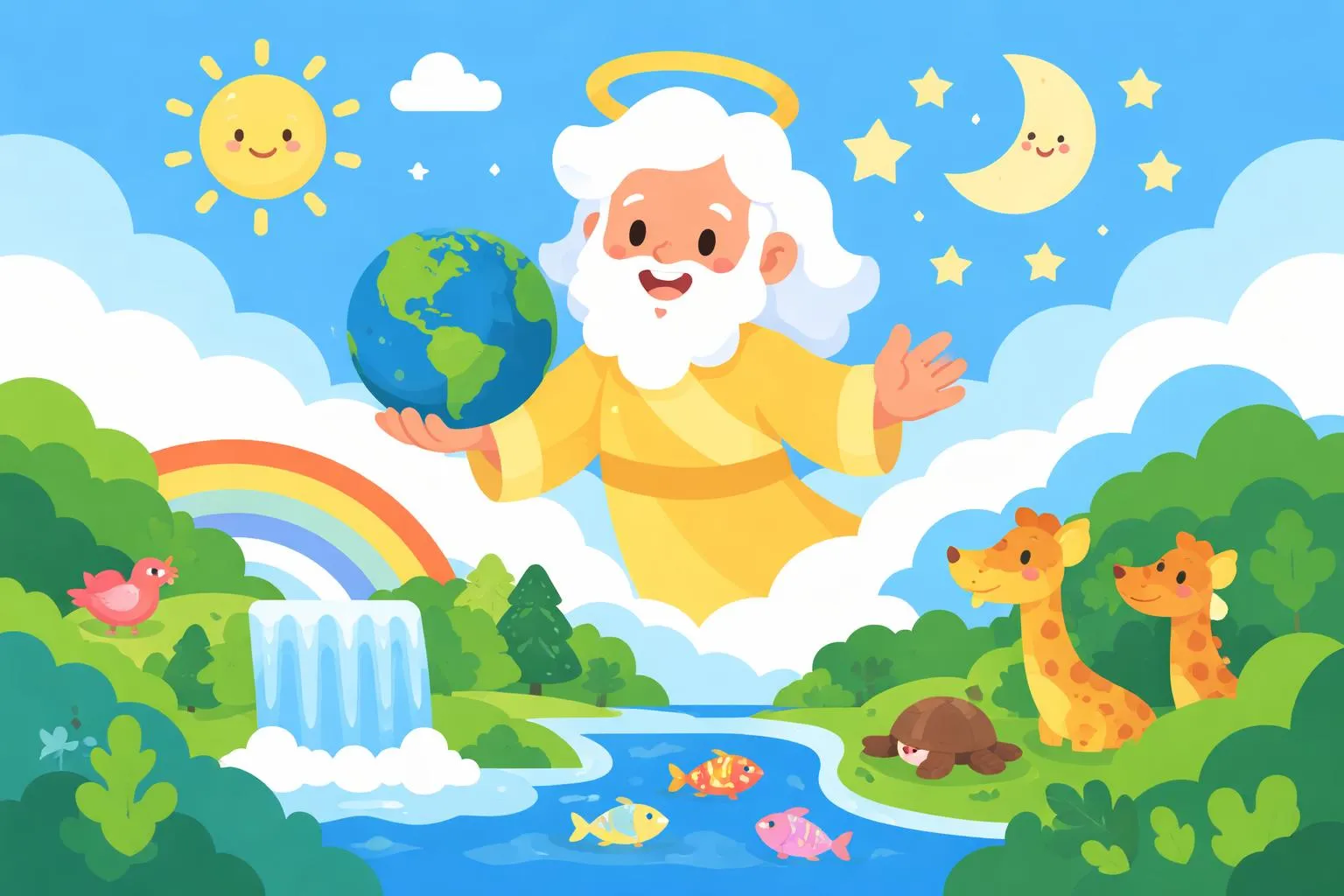
The rocks and stones
In holy tones
Are singing sweeter than the thrushes.
Then why should we
In silence be,
When Nature lends her voice to praises;
When heaven and earth
Proclaim the truth
Of Him for whom that lone star blazes?
No, be not still,
But with a will
Strike all your harps and set them ringing;
On hill and heath
Let every breath
Throw all its power into singing!
Expansion and Analysis
Summary and Interpretation
This beautiful poem celebrates the birth of Christ, a momentous event that brings joy and transformation to a sorrowful world. The bells ring out, and all of nature joins in the celebration, symbolizing the universal joy that Christ’s birth inspires. The poem contrasts the previous sadness ("The world was lorn") with the new glory brought by Christ. It invites everyone—earthlings, nature, and even inanimate things like rocks and stones—to sing and rejoice. The imagery of dawn breaking and the heavenly choir singing highlights the spiritual awakening and hope that Christmas represents.
Creative Background and Author Introduction
This poem is a classic example of Christmas poetry, often inspired by Christian traditions celebrating the Nativity. The author, though not explicitly named here, likely drew from the rich heritage of religious poetry that seeks to express the profound joy and hope brought by the birth of Jesus Christ. Such poems were often written during the 19th century, a period rich in religious and nature-themed poetry, blending spiritual themes with vivid natural imagery.
Reflection and Personal Response
Reading this poem fills the heart with warmth and hope. It reminds us that even in times of darkness and sadness, there is a reason to rejoice and look forward to new beginnings. The poem’s call to join in singing and celebration encourages a communal spirit and reminds us of the power of faith and joy to transform our lives.
Educational Value and Learning Points
Children and students can learn several important lessons from this poem:
- Religious and Cultural Understanding: The poem introduces the Christian celebration of Christmas and the significance of Christ’s birth.
- Literary Devices: Students can explore the use of imagery, personification (nature singing), and symbolism (bells, dawn, star).
- Emotional Expression: The poem teaches how poetry can express complex emotions like joy, hope, and transformation.
- Vocabulary Building: Words like lorn, caress, heavenly choir, and blushes can expand children’s vocabulary.
- Nature and Spirituality Connection: It shows how nature is often used in literature to reflect spiritual themes.
Practical Applications and Life Lessons
- In Daily Life: The poem encourages finding joy and hope even in difficult times, inspiring a positive attitude.
- In School: It can be used to teach poetry reading, memorization, and appreciation of rhythm and rhyme.
- In Social Settings: The message of unity and celebration can help children understand the importance of community and shared happiness.
- In Creative Writing: Students can be inspired to write their own poems about nature, celebrations, or personal feelings.
Key Learning Challenges
- Understanding the archaic language and poetic expressions might be challenging for younger students.
- Grasping the symbolism and deeper spiritual meaning requires guided discussion.
- Appreciating the rhythmic and melodic qualities of the poem can be enhanced through reading aloud and musical accompaniment.
Reading Comprehension Exercises
-
What event is the poem celebrating?
a) The birth of Christ
b) The arrival of spring
c) A wedding ceremony
d) A festival of lights -
How does nature respond to the event in the poem?
a) It remains silent
b) It sings and rejoices
c) It becomes dark and gloomy
d) It falls asleep -
What does the poem suggest we should do in response to Christ’s birth?
a) Be silent and thoughtful
b) Sing and be joyful
c) Cry and mourn
d) Stay indoors -
Which of the following is an example of personification in the poem?
a) “Ring out, ye bells!”
b) “The darkness breaks and Dawn awakes”
c) “The world was lorn”
d) “A King hath come from heaven’s high throne” -
What is the overall mood of the poem?
a) Sad and lonely
b) Joyful and hopeful
c) Angry and upset
d) Calm and indifferent
Answers
- a) The birth of Christ
- b) It sings and rejoices
- b) Sing and be joyful
- b) “The darkness breaks and Dawn awakes”
- b) Joyful and hopeful