
Original Story:
I have a little sister, she’s called Peep-peep;
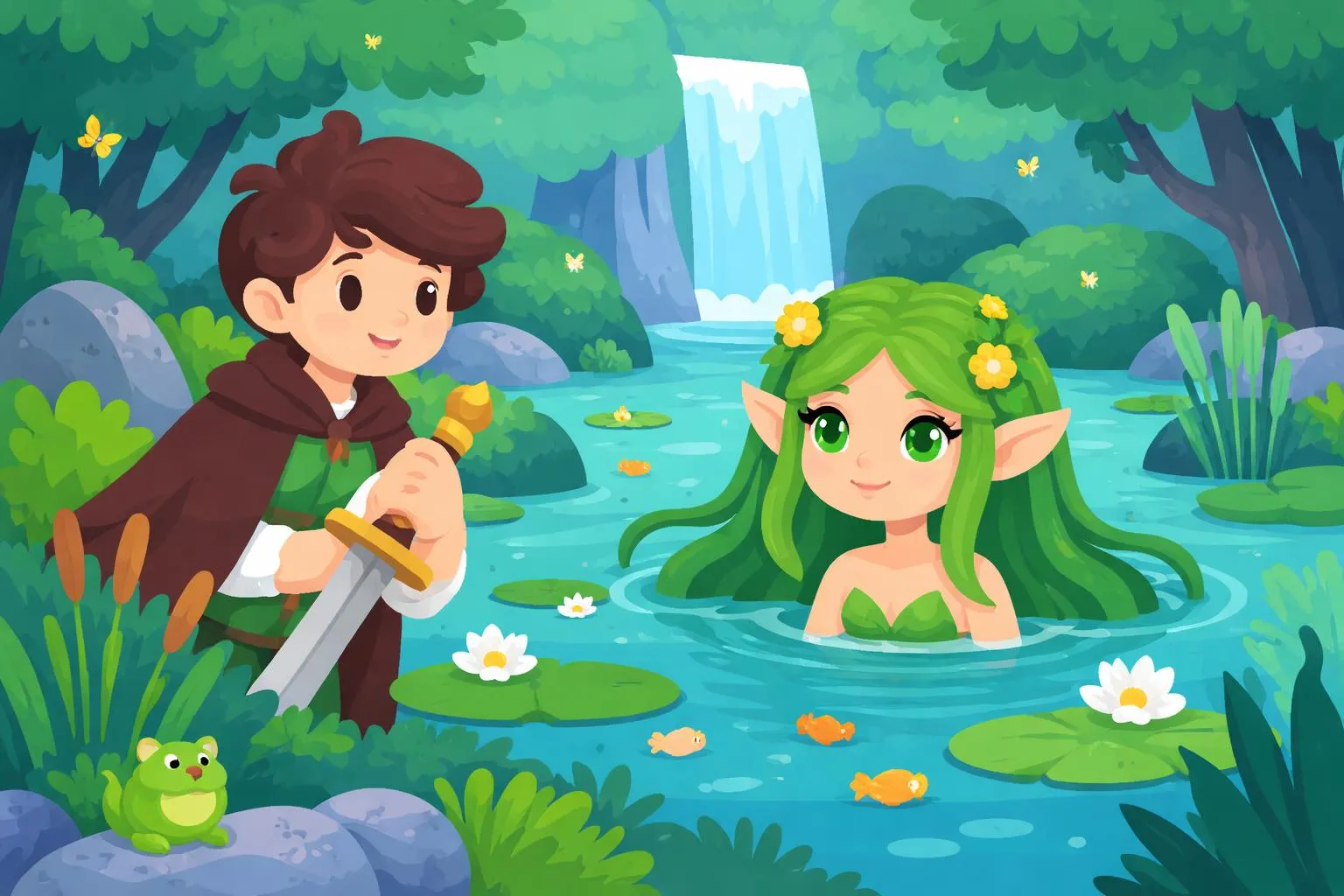
She wades the waters deep, deep, deep;
She climbs the mountains high, high, high,—
Poor little thing, she has but one eye.
Expansion and Analysis
Summary and Interpretation
This short and simple poem tells us about a little sister named Peep-peep who is brave and adventurous. Despite having only one eye, she fearlessly explores the world around her. She wades through deep waters and climbs high mountains, showing her courage and determination. The poem uses repetition ("deep, deep, deep" and "high, high, high") to emphasize the challenges she faces and overcomes.
The phrase "Poor little thing, she has but one eye" evokes sympathy but also admiration for her resilience. The poem subtly conveys that even with a physical limitation, one can still be strong and adventurous.
Background and Author Introduction
This poem is a traditional nursery rhyme or children’s verse, often passed down orally or included in collections of children’s literature. Its simple rhythm and repetitive structure make it easy for young children to remember and recite. The author of this particular rhyme is unknown, as is common with many folk poems and nursery rhymes.
The rhyme likely originated as a playful way to describe a child’s unique traits and adventures, encouraging children to be brave and curious despite any differences or challenges they might face.
Literary Appreciation
The poem’s strength lies in its concise language and rhythmic repetition, which create a musical quality that appeals to children. The use of imagery ("waters deep, deep, deep" and "mountains high, high, high") paints vivid pictures of exploration and adventure. The contrast between Peep-peep’s physical limitation and her daring spirit offers a subtle lesson in courage and acceptance.
Lessons and Knowledge Points for Children and Students
From this poem, children can learn several important lessons:
- Courage and Determination: Peep-peep’s willingness to face deep waters and high mountains teaches children to be brave and persistent.
- Acceptance of Differences: The poem gently introduces the idea that having a disability or difference (like having one eye) does not prevent someone from living a full and adventurous life.
- Imagination and Exploration: It encourages children to imagine exploring the world around them, fostering curiosity and a love for nature.
- Language Skills: The repetition and rhythm help young learners develop phonemic awareness and memory skills.
Practical Applications in Life and Learning
- In the Classroom: Teachers can use this poem to discuss themes of bravery, resilience, and diversity. It can be a starting point for conversations about physical differences and empathy.
- In Daily Life: Parents can encourage children to try new activities and not be discouraged by challenges, using Peep-peep as a role model.
- Creative Activities: Children can draw pictures of Peep-peep’s adventures or write their own stories about overcoming obstacles.
- Language Development: The poem’s repetitive structure can be used in reading exercises to improve fluency and pronunciation.
Key Learning Challenges and Focus Points
- Understanding Metaphor and Imagery: Young children might need guidance to visualize what "deep waters" and "high mountains" represent.
- Comprehending the Theme of Disability: Discussions should be sensitive and age-appropriate to help children understand that differences do not limit potential.
- Memorization and Recitation: The repetitive lines provide a good exercise for memory but may require practice for younger children.
Reading Comprehension Practice
Questions:
- What is the name of the little sister in the poem?
- What two activities does Peep-peep do in the poem?
- How many eyes does Peep-peep have?
- What does the poem teach us about facing challenges?
- Why do you think the poem repeats the words "deep, deep, deep" and "high, high, high"?
Answers:
- The little sister’s name is Peep-peep.
- She wades through deep waters and climbs high mountains.
- Peep-peep has only one eye.
- The poem teaches us to be brave and determined even when facing difficulties.
- The repetition emphasizes the difficulty and the extent of the challenges she faces.
This poem, though brief, offers a rich source of inspiration and learning for children. It encourages bravery, acceptance, and curiosity, all essential qualities for personal growth and development.