
Original Story:
Out of my heart, one treach’rous winter’s day,
I locked young Love and threw the key away.
Grief, wandering widely, found the key,
And hastened with it, straightway, back to me,
With Love beside him. He unlocked the door
And bade Love enter with him there and stay.
And so the twain abide for evermore.
Expansion and Analysis
Interpretation and Explanation
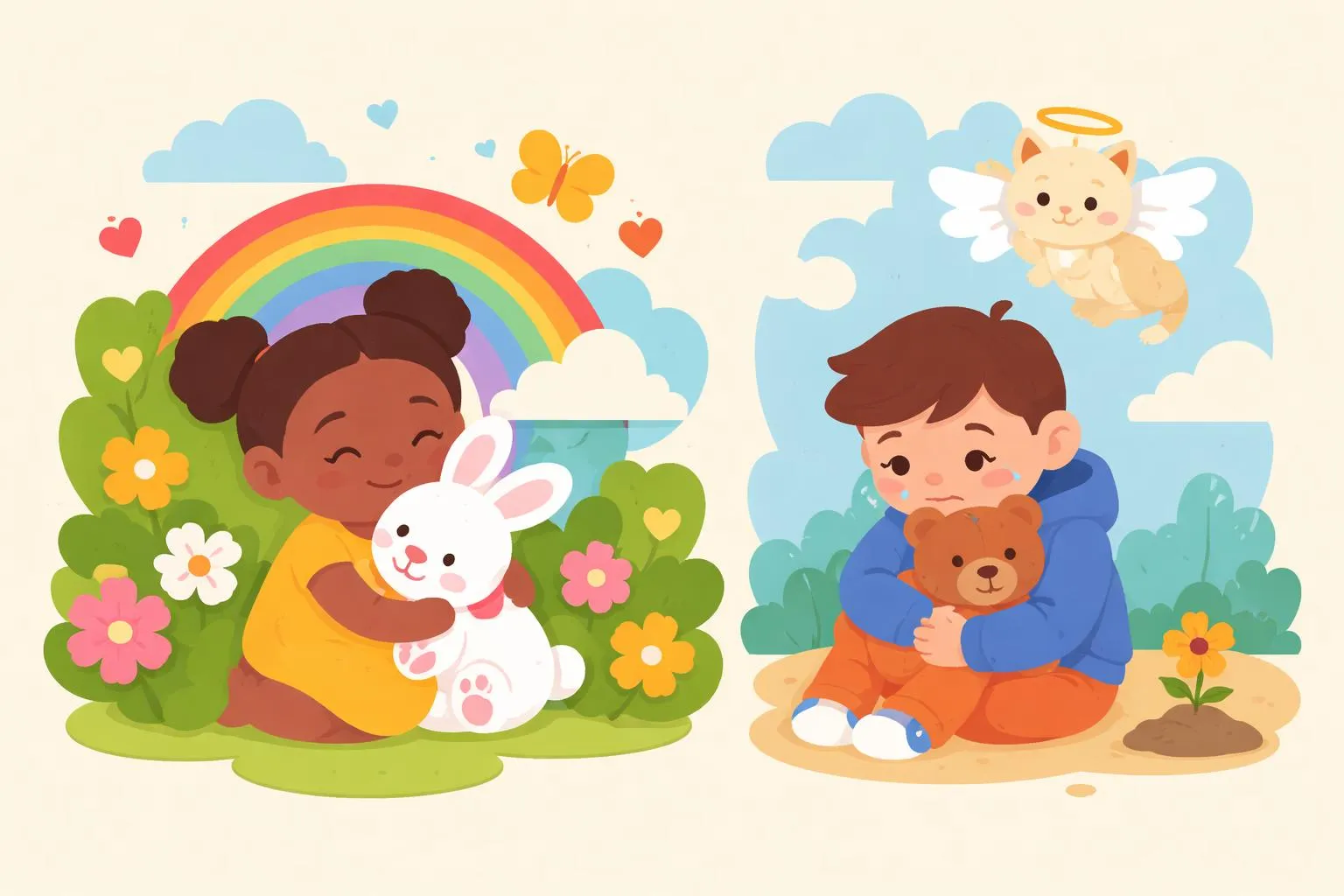
This short poem tells a profound story about the intertwined nature of love and grief. The speaker describes a moment when, during a harsh and "treacherous winter’s day," they locked away young Love in their heart and threw the key far away, symbolizing an attempt to shut out love—perhaps due to pain or fear. However, Grief, personified as a wandering figure, finds the key and returns with Love to the speaker. Grief then unlocks the door and invites Love to stay permanently, illustrating that love and grief are inseparable companions. The poem suggests that through grief, love can return and remain, highlighting the deep connection between joy and sorrow in human experience.
Background and Author Introduction
This poem, often attributed to Christina Rossetti, a renowned Victorian poet, reflects her characteristic themes of love, loss, and spiritual reflection. Rossetti’s work frequently explores the complexities of human emotion and the interplay between suffering and hope. Written in the 19th century, this poem captures the Victorian era’s fascination with emotional depth and moral introspection.
Christina Rossetti was born in 1830 in London and became one of the most important female poets of her time. Her poetry is celebrated for its lyrical beauty and emotional intensity. She often wrote about themes of love, death, and faith, drawing from her own life experiences and religious beliefs.
Reflection and Personal Response
Reading this poem invites us to reflect on how love and grief coexist in our lives. It reminds us that trying to shut out love to avoid pain is futile because grief often brings love back in unexpected ways. This message can be comforting to those who have experienced loss or heartbreak, encouraging them to accept their feelings rather than suppress them.
Lessons for Children and Students
From this poem, children and students can learn several important lessons:
- Emotional Awareness: Understanding that feelings like love and grief are natural and often connected.
- Resilience: Recognizing that even when love seems lost, it can return through the process of healing.
- Empathy: Developing compassion for themselves and others who experience difficult emotions.
Practical Applications in Life and Learning
- In Daily Life: Children can be encouraged to express their emotions honestly, knowing that sadness and love can exist together.
- In School: Teachers can use this poem to discuss emotional intelligence and the importance of accepting all feelings.
- In Social Situations: Understanding grief and love helps children support friends who might be going through tough times.
Key Vocabulary and Concepts
- Treacherous: Dangerous or deceptive.
- Wandering: Moving about without a fixed course.
- Bade: Past tense of bid, meaning to command or invite.
- Abide: To remain or stay.
Reading Comprehension Questions
- What does the speaker do with Love at the beginning of the poem?
- Who finds the key that the speaker threw away?
- What happens when Grief returns with Love?
- What is the main message about the relationship between Love and Grief?
- How does this poem make you feel about experiencing difficult emotions?
Answers
- The speaker locks young Love in their heart and throws the key away.
- Grief finds the key.
- Grief unlocks the door and invites Love to enter and stay.
- The poem shows that Love and Grief are closely connected and often come together.
- (Open-ended) Answers will vary; readers may feel comforted or thoughtful about the connection between love and sorrow.
This poem is a beautiful example of how literature can help us explore and understand complex emotions. It encourages acceptance and healing, making it a valuable resource for children, students, and anyone learning about the human heart.