
Original Story:
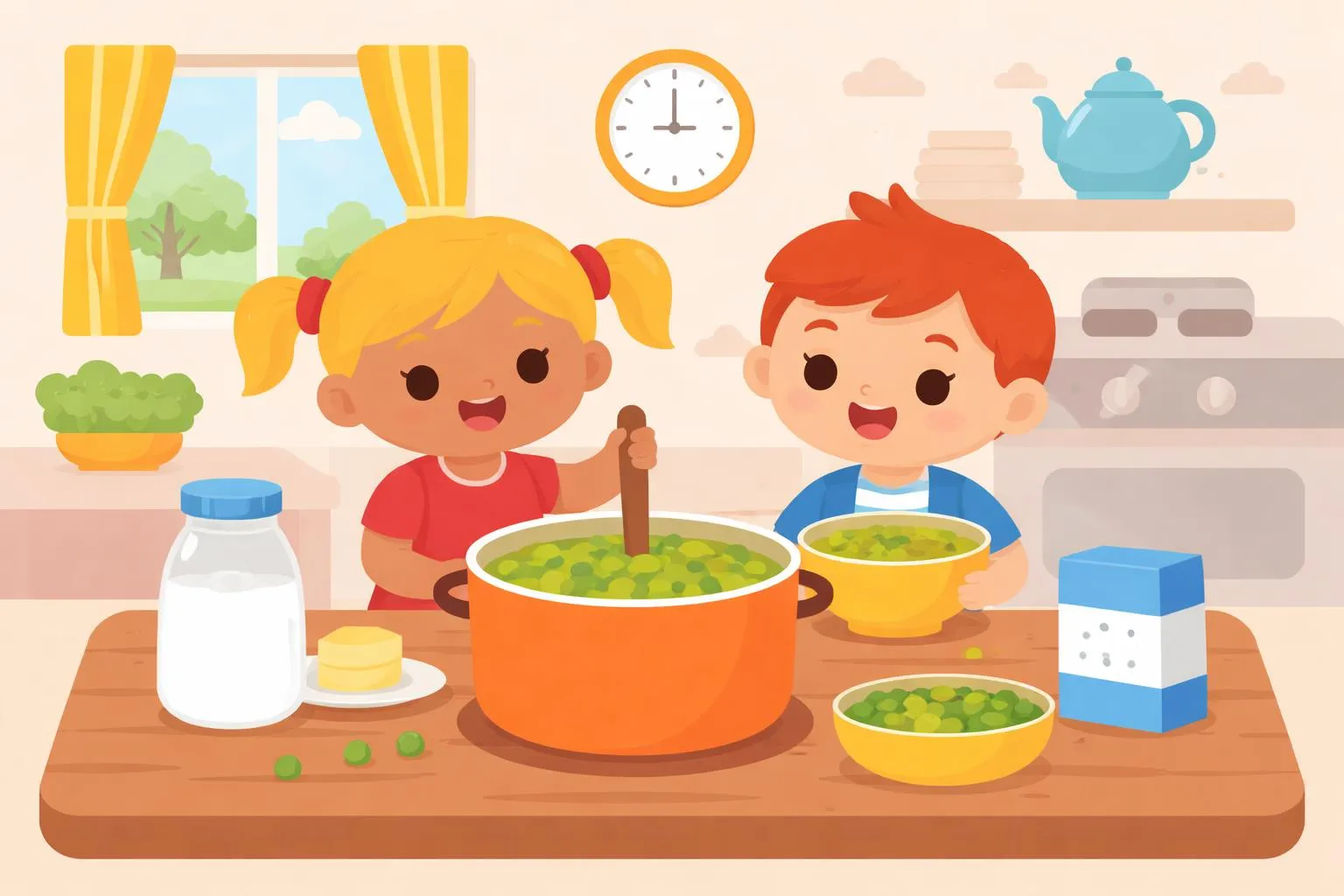
Pease porridge hot,
Pease porridge cold,
Pease porridge in the pot,
Nine days old.
Some like it hot,
Some like it cold,
Some like it in the pot,
Nine days old.
Expansion and Analysis
Introduction and Meaning
This traditional nursery rhyme, "Pease Porridge Hot," is a simple yet memorable verse that has been passed down through generations. The poem talks about pease porridge, a type of thick soup or pudding made from peas, which was a common and inexpensive food in olden times. The rhyme highlights the different ways people enjoy pease porridge: hot, cold, or even left in the pot for several days.
At its core, the rhyme reflects the everyday life and food habits of the past, especially in times when food preservation was limited, and leftovers were commonly eaten over several days. The phrase "nine days old" emphasizes the longevity of the porridge, which might seem unappetizing today but was accepted then.
Interpretation and Appreciation
The rhyme is catchy and rhythmic, making it easy for children to memorize and recite. It also introduces the idea of preferences—some people like their food hot, others cold, and some don't mind it even after several days. This simple concept can teach children about diversity in tastes and acceptance of different habits.
The repetitive structure and rhyme scheme help develop early literacy skills, such as phonemic awareness and memory. The poem's brevity and rhythm make it ideal for young learners to practice speaking and listening.
Historical Background and Author
The origins of "Pease Porridge Hot" date back to at least the 18th century in England. It is a traditional folk rhyme, so the exact author is unknown. The rhyme reflects the dietary habits of common people during that era when pease porridge was a staple food due to its affordability and nutritional value.
Pease porridge was made from dried peas, which were boiled and mashed into a thick, hearty dish. It was a practical meal for families, especially in colder months, and could be preserved for several days, hence the reference to "nine days old."
Personal Reflection
Reading this rhyme offers a glimpse into past lifestyles and cultural traditions. It reminds us how food and daily routines have evolved over time. For children today, it can be a fun way to connect with history and understand that even simple things like porridge had importance in people's lives.
The rhyme also encourages children to appreciate different tastes and be open-minded about food and other preferences. It promotes tolerance and understanding in a subtle but effective way.
Learning Points for Children and Students
From this nursery rhyme, children can learn:
- Vocabulary: Words like "porridge," "pot," and "old."
- Rhythm and Rhyme: Understanding how rhymes work in poetry.
- Cultural History: Insight into historical food habits.
- Preferences and Diversity: Learning that people have different likes and dislikes.
- Memory Skills: Memorizing and reciting simple poems.
Practical Applications and Life Lessons
- In Daily Life: Children can learn to respect others' food preferences, whether at home or school.
- In Learning: Using rhymes like this can improve language skills and phonological awareness.
- In Social Skills: Understanding diversity in tastes can translate to appreciating differences in opinions and habits.
- In History Lessons: Teachers can use this rhyme to introduce students to historical lifestyles and nutrition.
Reading Comprehension Questions
- What is pease porridge made from?
- How many ways are mentioned in the rhyme to eat pease porridge?
- Why do you think the rhyme mentions "nine days old"?
- What can we learn about people's food habits from this rhyme?
- How does this rhyme help children in their learning?
Answers
- Pease porridge is made from peas.
- Three ways: hot, cold, and in the pot nine days old.
- It shows that food was often eaten even after being stored for many days.
- People had different preferences and often ate leftovers.
- It helps with vocabulary, rhyme recognition, memory, and understanding diversity.
This simple nursery rhyme is more than just a fun verse; it is a window into history, culture, and language development that continues to educate and entertain children today.