
Original Story:
Poor withered rose, she gave it me,
Half in revenge and half in glee;
Its petals not so pink by half
As are her lips when curled to laugh,
As are her cheeks when dimples gay
In merry mischief o’er them play.
Chorus
Forgive, forgive, it seems unkind
To cast thy petals to the wind;
But it is right, and lest I err
So scatter I all thought of her.
Poor withered rose, so like my heart,
That wilts at sorrow’s cruel dart.
Who hath not felt the winter’s blight
When every hope seemed warm and bright?
Who doth not know love unreturned,
E’en when the heart most wildly burned?
Poor withered rose, thou liest dead;
Too soon thy beauty’s bloom hath fled.
‘Tis not without a tearful ruth
I watch decay thy blushing youth;
And though thy life goes out in dole,
Thy perfume lingers in my soul.
Expansion and Analysis
Summary and Interpretation
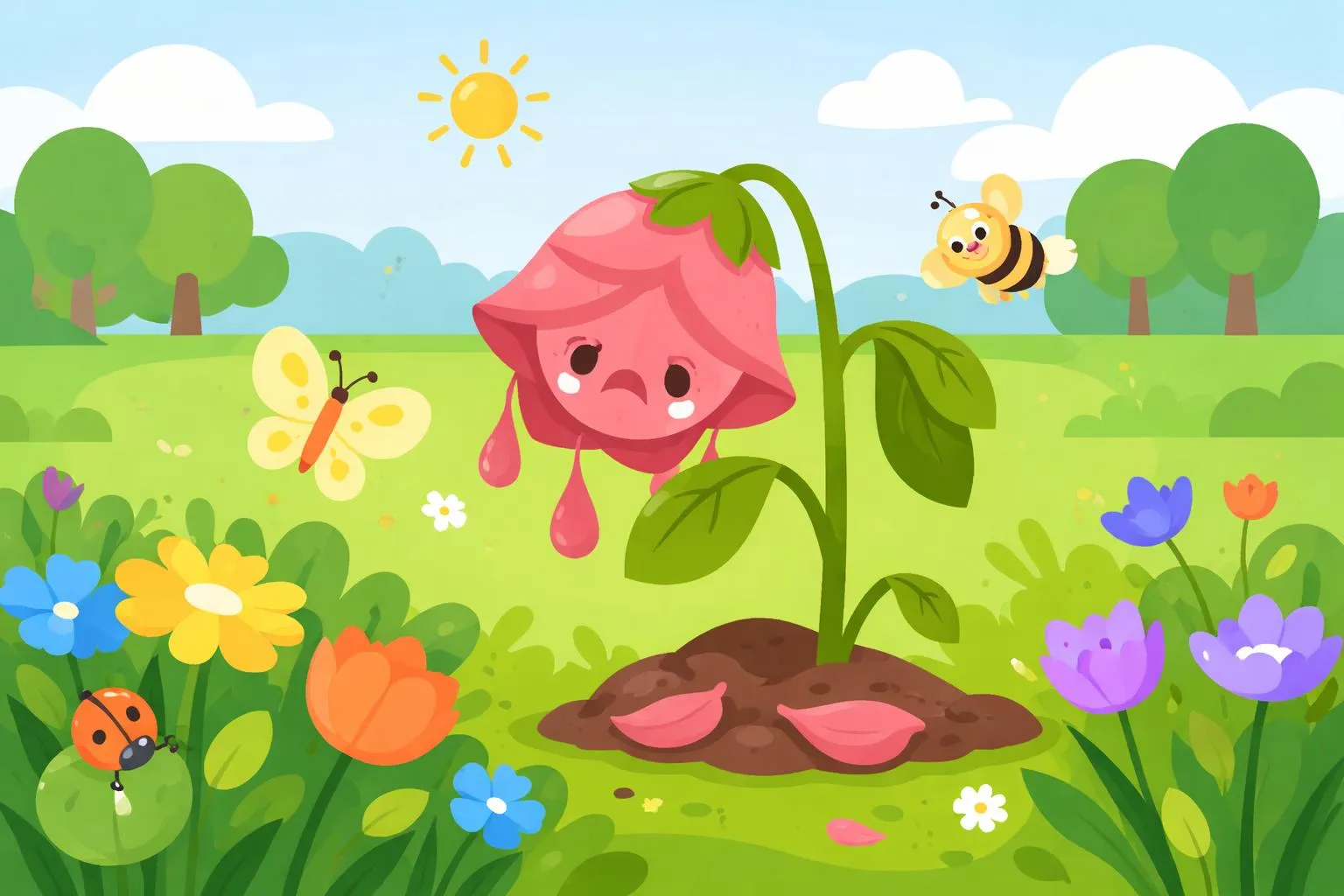
This poignant poem tells the story of a withered rose given by a girl to the speaker, symbolizing a complex mix of emotions—half revenge and half joy. The rose, once vibrant and beautiful, now faded and lifeless, mirrors the speaker’s heartache and sorrow. The petals, less pink than the girl’s laughing lips and cheerful dimples, represent fleeting beauty and happiness.
The chorus pleads for forgiveness for casting the rose’s petals to the wind, which metaphorically means letting go of memories or feelings associated with the girl. The rose is likened to the speaker’s heart, which wilts under the pain of unfulfilled love and sorrow. The poem reflects on universal human experiences such as disappointment, unrequited love, and the loss of hope.
In the final stanza, the rose’s death symbolizes the end of beauty and youth, yet its lingering perfume represents the lasting impact of memories and emotions in the soul.
Creative Background and Author Introduction
This poem likely stems from the Romantic era, a period when poets often explored themes of love, nature, emotion, and melancholy. The imagery of the rose is a classic symbol in literature representing love, beauty, and transience.
The author is not specified here, but the style and themes suggest influence from poets like William Blake, John Keats, or Percy Bysshe Shelley, who frequently used natural elements to explore deep emotional states.
Reflection and Personal Response
Reading this poem evokes a sense of bittersweet nostalgia. It beautifully captures the pain of losing love and the inevitability of change, yet also the persistence of memories that shape us. The withered rose is a powerful metaphor for how beauty and joy can fade, but their essence remains within us.
Educational Value and Learning Points
Children and students can learn several important lessons from this poem:
- Symbolism and Metaphor: Understanding how objects like a rose can represent complex emotions such as love, sorrow, and memory.
- Emotional Expression: Recognizing and articulating feelings of sadness, loss, and hope through poetry.
- Vocabulary Building: Words like withered, petals, blight, unreturned, decay, perfume enrich language skills.
- Themes of Love and Loss: Exploring universal human experiences that foster empathy and emotional intelligence.
Practical Applications and Life Lessons
- In Daily Life: The poem encourages acceptance of loss and the importance of letting go, which can help children cope with disappointment or sadness.
- In Learning: Analyzing poetry sharpens critical thinking and interpretation skills.
- In Social Contexts: Understanding emotions and symbolism can improve communication and empathy with others.
Key Learning Challenges
- Grasping the symbolic meaning of the rose beyond its literal description.
- Interpreting archaic language and poetic expressions.
- Connecting the poem’s themes to personal experiences.
Reading Comprehension Questions
- What does the withered rose symbolize in the poem?
- How does the speaker feel about the rose and the girl who gave it?
- What emotions are expressed in the chorus?
- Why does the speaker scatter the petals to the wind?
- What does the lingering perfume of the rose represent?
- Can you find examples of imagery in the poem?
- What universal themes does the poem explore?
Answers
- The withered rose symbolizes the speaker’s heart and feelings of sorrow, lost love, and fading beauty.
- The speaker feels a mixture of sadness, bitterness, and nostalgia towards the rose and the girl.
- The chorus expresses a plea for forgiveness and acknowledges the pain of letting go.
- The speaker scatters the petals to forget or release thoughts of the girl.
- The lingering perfume represents the lasting memories and emotional impact of the past.
- Examples include the description of the rose’s petals, the girl’s lips and dimples, and the fading beauty of the rose.
- The poem explores themes of unrequited love, loss, sorrow, and the passage of time.
This poem offers rich material for students to explore emotional depth, literary devices, and universal human experiences, making it a valuable resource for both language and personal development.