
Original Story:
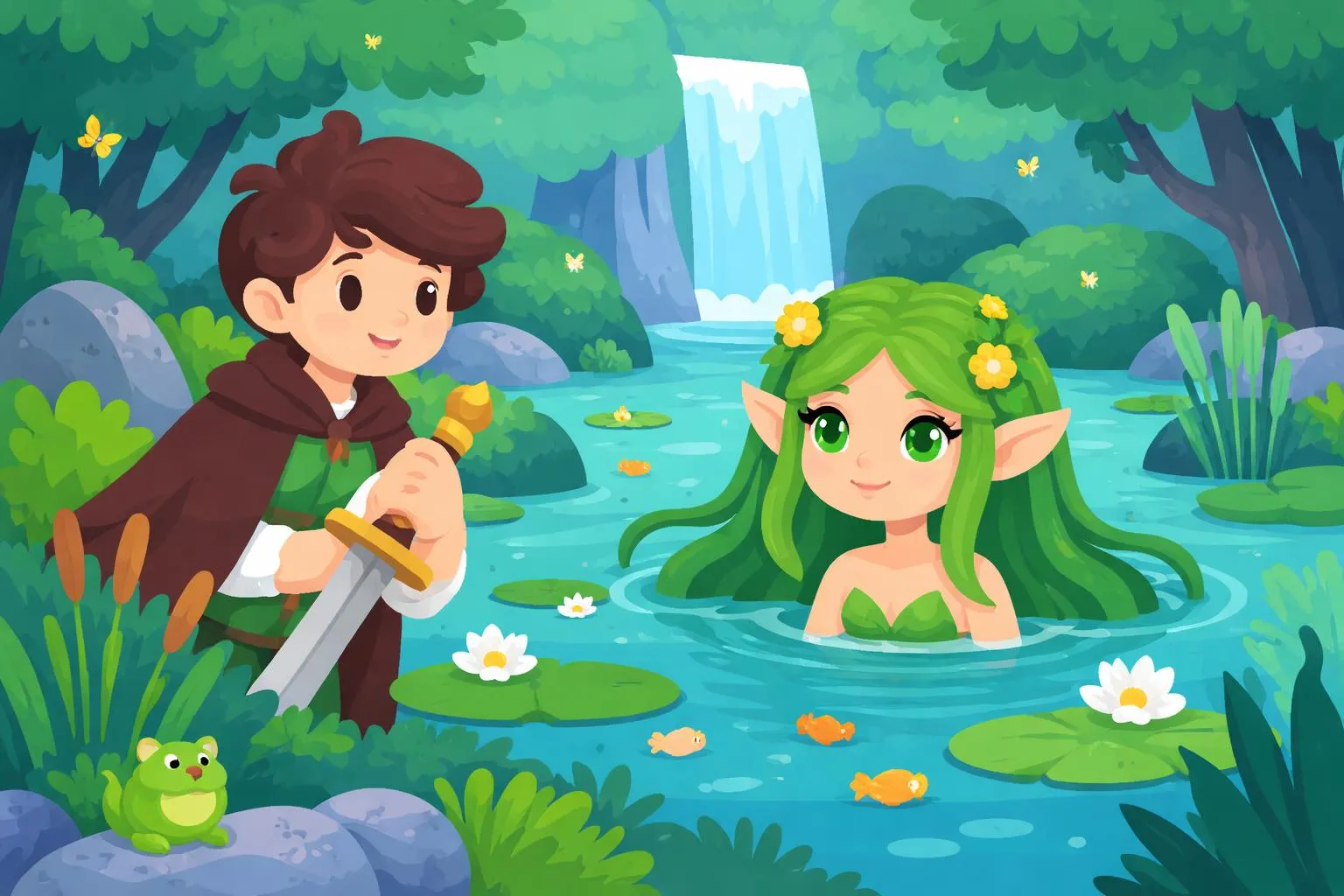
One day I went to my whirly-whicker-whacker, (Fodder field)
I met bow-backer, (A hog)
I called Tom-tacker (A dog)
To drive bow-backer
Out of my whirly-whicker-whacker.
Story Expansion and Analysis
Summary and Explanation
This short and playful story tells of a simple event on a farm. The narrator goes to their whirly-whicker-whacker, which is a fun, imaginative name for a fodder field where animals feed. There, they encounter a bow-backer, a hog. To protect the fodder field from the hog, the narrator calls Tom-tacker, a dog, to chase the hog away.
The story uses whimsical, made-up words for ordinary things, which sparks imagination and makes the narrative enjoyable for children. The repetition of sounds and rhymes (whirly-whicker-whacker, bow-backer, Tom-tacker) creates a rhythmic and musical quality that is engaging and easy to remember.
Creative Background and Author Introduction
This story likely comes from a tradition of children's rhymes and nonsense verse, which are designed to entertain while encouraging language play. The use of invented words is a common technique in children’s literature to stimulate creativity and phonetic awareness.
The author is unknown, but the style is reminiscent of classic nonsense poets like Edward Lear or Dr. Seuss, who used playful language to capture children's attention and imagination. Such stories often have simple plots but rich sound patterns, encouraging young readers to enjoy language beyond its literal meaning.
Reflection and Personal Response
Reading this story brings a smile because of its joyful use of language and the vivid mental images it creates. It reminds us how important it is to nurture creativity and playfulness in education. The story also subtly introduces the idea of responsibility—protecting one’s property (the fodder field) and using resources (the dog) wisely.
Learning Points for Children and Students
From this story, children can learn:
- Phonemic Awareness: The playful repetition and rhyming help children hear and manipulate sounds in words, a key skill in early reading development.
- Imaginative Language Use: Invented words encourage creativity and help children understand that language can be flexible and fun.
- Basic Farm Vocabulary: Even with made-up words, the story introduces real concepts like a fodder field, a hog, and a dog.
- Problem Solving: The narrator faces a problem (hog in the field) and solves it by calling for help (dog), teaching cause and effect.
Practical Applications and Insights
- In School: Teachers can use this story to introduce rhyming words and encourage children to create their own nonsense words, enhancing phonics and vocabulary skills.
- At Home: Parents can read this aloud to children, helping them develop listening skills and a love for storytelling.
- In Life: The story subtly teaches children about responsibility and teamwork—recognizing a problem and seeking help to solve it.
Difficulties and Focus Points in Learning
- Understanding Nonsense Words: Children might initially find the made-up words confusing, so adults should explain the real meanings in parentheses.
- Pronunciation Practice: The rhymes and repetitive sounds provide excellent practice for clear pronunciation and fluency.
- Comprehension: Despite its simplicity, children should be guided to understand the story’s sequence and the roles of characters.
Reading Comprehension Exercises
-
What is the whirly-whicker-whacker in the story?
a) A dog
b) A fodder field
c) A hog
d) A house -
Who is the bow-backer?
a) A dog
b) A hog
c) A farmer
d) A cat -
What does the narrator do when they see the bow-backer?
a) Runs away
b) Calls Tom-tacker
c) Feeds the hog
d) Goes home -
What role does Tom-tacker play in the story?
a) The narrator’s friend
b) The hog’s owner
c) The dog who drives the hog away
d) A farmer -
What lesson can we learn from this story?
a) How to grow fodder
b) How to take care of animals
c) How to solve problems by asking for help
d) How to name animals
Answers
- b) A fodder field
- b) A hog
- b) Calls Tom-tacker
- c) The dog who drives the hog away
- c) How to solve problems by asking for help