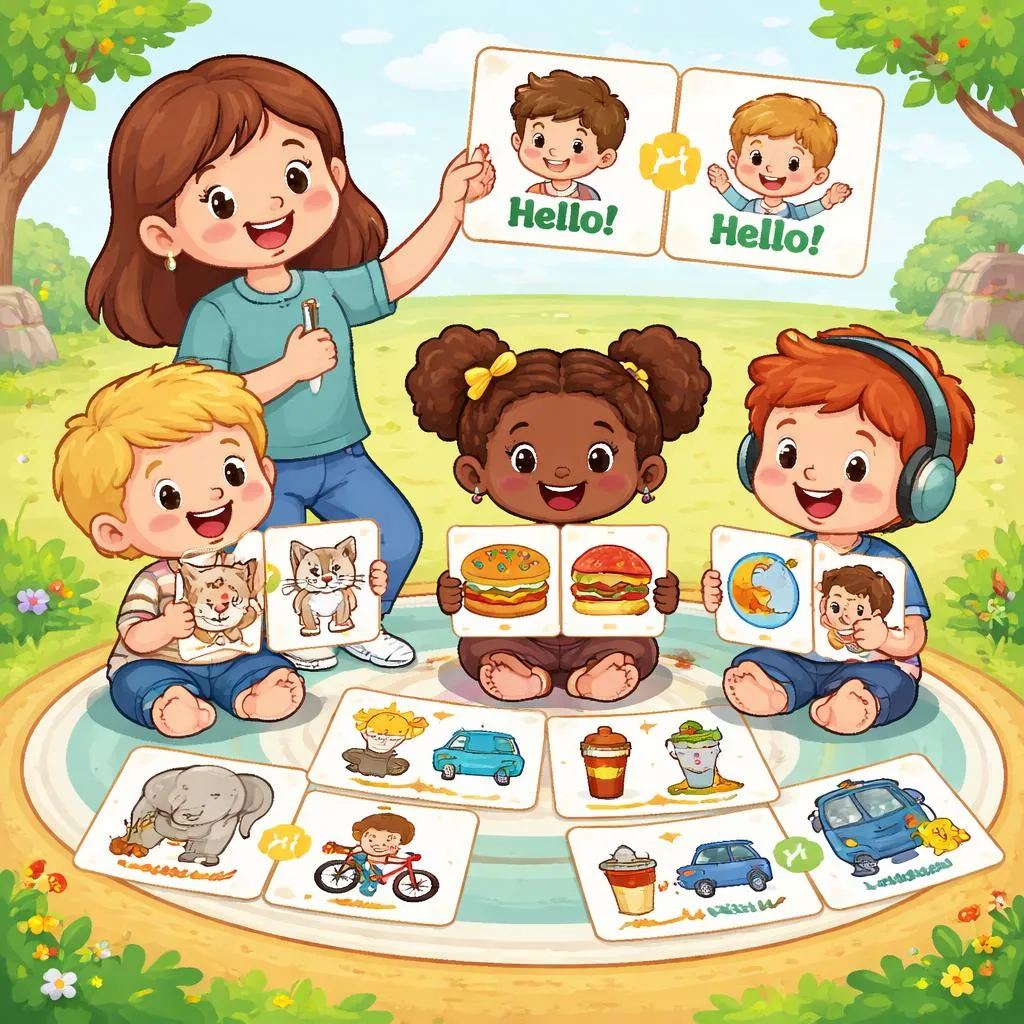

What Does "Like" Mean in English? The word "like" in English can have different meanings, but it is often used to express similarity, preferences, or comparisons. "Like" helps us compare things and show what we enjoy. This word is very common in everyday speech and is essential for both speaking and writing. For example, we might use "like" to show that two things are similar, such as "This shirt is like that one." We also use it when we talk about things we enjoy, such as "I like pizza." So, "like" can help describe both preferences and similarities. In English, "like" has several uses that make it an important word to learn and practice. Understanding how "like" works can make it easier to speak fluently, whether talking about what you enjoy or comparing things around you.
Why Are Words Like "Like" Important in Language Learning? Words like "like" are fundamental in expressing ideas clearly. In both English and Spanish, the word "like" helps learners compare objects, express feelings, and show how things are similar. Understanding this word can make conversations richer and easier to follow. For young learners, mastering the word "like" can be an excellent starting point. It teaches them how to express preferences, compare things, and relate concepts. These are skills they will continue to use as they grow and engage in more complex discussions. Here’s why teaching "like" and its alternatives is essential:
Describes Similarity: "Like" allows people to explain how two things are alike.
Expresses Preferences: It’s also used to express personal likes and dislikes, which helps in conversations.
Builds Connections: When learners understand "like", they can easily connect ideas and communicate more effectively in both languages.
How "Like" is Used in English In English, the word "like" can function in different ways. It can express similarity, preference, or even give examples. The most common uses of "like" include comparisons and expressing enjoyment. Here are a few ways to use "like":
Comparison: "Like" shows how two things are similar. For instance, "The cat is like a lion." This shows that the cat has some features that are similar to a lion, such as its appearance or behavior.
Expressing Preference: "Like" is also used to say what someone enjoys. For example, "I like chocolate." This tells us what the speaker enjoys eating.
Giving Examples: In some cases, "like" introduces examples to show a group of things or people. For example, "I enjoy sports like soccer and basketball."
By teaching students how to use "like", they can express a variety of ideas with just one word. It makes their communication more versatile and simple to use in everyday conversations.
How "Like" Works in Spanish In Spanish, the word "like" is translated differently depending on how it is used. When comparing things, the word "como" is used. But when expressing a preference, the verb "gustar" is more common. These two words are used in a similar way to "like" in English but have some important differences.
"Como" is used when making comparisons, just like "like" in English. For example, "Él corre como un león" means "He runs like a lion."
"Gustar" is used to express likes or preferences, and it works a little differently from "like" in English. Instead of saying "I like," you would say "Me gusta" in Spanish. For example, "Me gusta el helado" means "I like ice cream."
The Connection Between "Like" in English and Spanish Teaching the relationship between "like" in English and "como" or "gustar" in Spanish helps students see the similarities and differences between the two languages. It’s essential for bilingual learners because it allows them to switch between languages more smoothly and accurately. Knowing how these words function in both languages also deepens their understanding of language structure and usage. Both in English and Spanish, "like" serves as a tool to make comparisons and talk about preferences. Recognizing how "like" is used similarly in both languages will help students express themselves better in both English and Spanish.
Fun Ways to Practice "Like" in English and Spanish Students can have fun learning about "like" by practicing it in both English and Spanish. By comparing how "like" works in both languages, they can learn to use it more effectively. Here are some fun activities:
Picture Comparisons: Show pictures of two similar things (like a cat and a lion), and ask students to use "like" to make a comparison in both languages. For example, "The cat is like the lion" (English) and "El gato es como el león" (Spanish).
Preference Polls: Ask students questions in both English and Spanish, such as "Do you like pizza?" or "¿Te gusta la pizza?" Encourage them to respond in both languages to practice expressing likes and dislikes.
Role Play: Create scenarios where students can practice using "like" to compare things in both languages. For example, one student might say, "I like reading books", while the other could respond in Spanish, "A mí me gusta leer libros."
Why Understanding "Like" Helps Language Learning Understanding how "like" works in both English and Spanish helps students make connections between the two languages. It gives them a more flexible vocabulary and better prepares them for speaking and writing in both languages. In everyday conversations, "like" helps students express similarities and preferences, which are important in both languages. By using "like", they can communicate more naturally and accurately. This knowledge also helps improve their listening and speaking skills, as they learn how to understand and respond to others’ preferences and comparisons.
Real Life Examples of "Like" in Both Languages In real life, the word "like" comes up all the time. By learning how to use "like" in both languages, students can talk about their favorite activities, their family members, and their observations. Here are some ways "like" can be used:
In English: "This movie is like the one we watched last week."
In Spanish: "Esta película es como la que vimos la semana pasada."
In English: "I like soccer and tennis."
In Spanish: "Me gusta el fútbol y el tenis."
These examples show how "like" works in both languages and how it can be used to express preferences and similarities.
Fun Games to Practice "Like" in Both English and Spanish Games are a great way to reinforce language learning. Here are a few to help students practice "like" in both languages:
Comparison Challenge: Give students pairs of objects (such as a dog and a wolf) and have them compare the two in both English and Spanish using "like" and "como."
"Like" Bingo: Create bingo cards with words related to preferences (like "pizza," "ice cream," "sports"). Ask students to say sentences using "like" and mark the words on their cards.
Role-Playing Scenarios: In pairs, students can create dialogues where they ask each other about preferences and similarities. For example, "Do you like dogs?" in English and "¿Te gustan los perros?" in Spanish.
Classroom Practice with "Like" in English and Spanish In the classroom, students can practice using "like" through interactive activities:
Sentence Creation: Students can create sentences using "like" to compare things or talk about their likes and dislikes. For example, "I like chocolate" or "Me gusta el chocolate."
Word Search: Create a word search with words related to "like" and "gustar" in both languages. Have students use these words in sentences once they find them.
Group Conversations: Encourage students to ask each other about their preferences using "like" in English and Spanish. For example, "What do you like to do?" and "¿Qué te gusta hacer?"
Learning about "like" doesn’t need to stop at the classroom door. Students can practice at home by:
Watching movies or shows in English and Spanish and paying attention to how "like" is used.
Practicing comparing things around the house in both languages. For instance, comparing food items using "like" and "como."
Using online resources and games that help students practice expressing preferences and making comparisons in both languages.