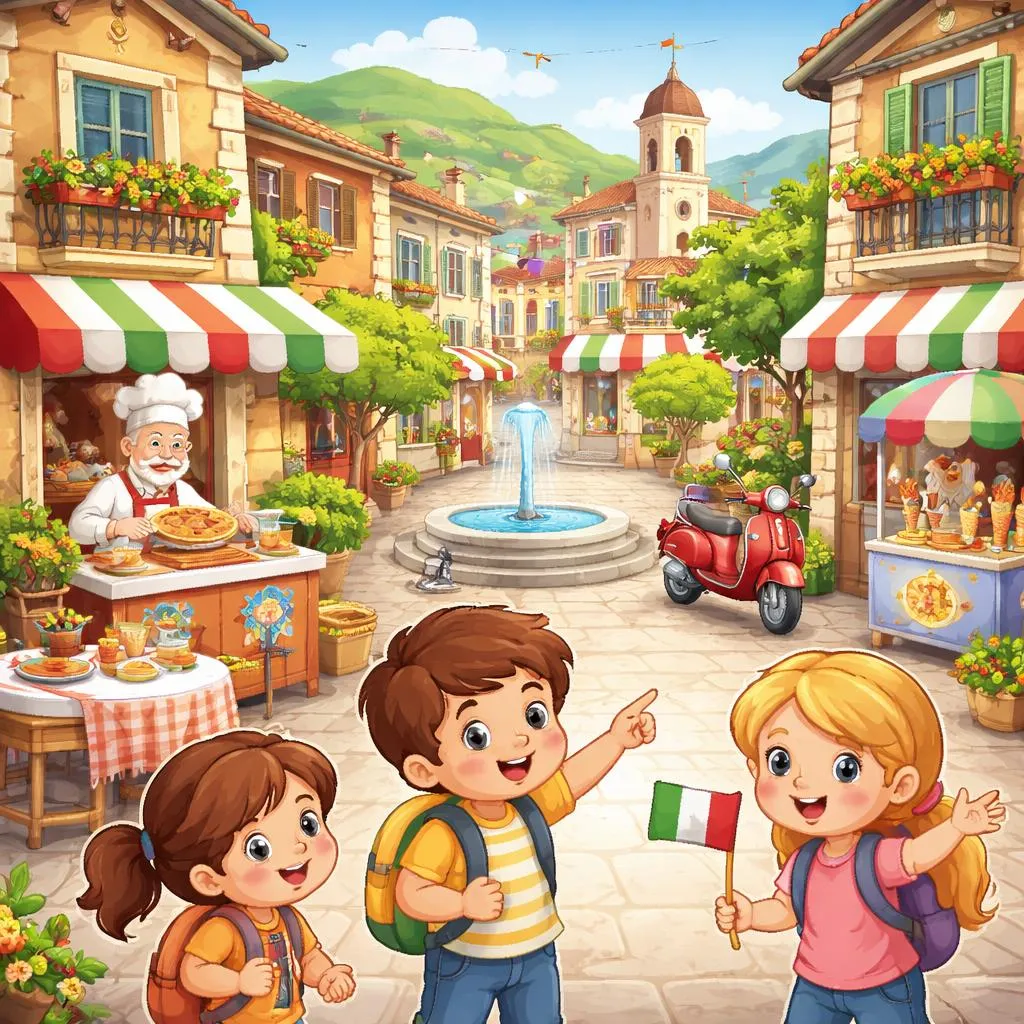

What Does Mob Mean Mob is an English word. Mob means a large group of people. The group is often noisy. The group moves together. Children may hear this word in stories. Children may hear it in movies.
Mob can sound strong. Mob can sound a little scary. Teachers explain the word calmly. Understanding meaning helps children feel safe.
Mob in Italian In Italian, mob is not used often. Italian uses different words. The most common word is folla. Folla means a crowd of people. It is a neutral word. It is safe for children to learn.
Another Italian word is gruppo. Gruppo means a group. It can be big or small. It does not sound scary. Children hear this word often.
The word banda can also appear. Banda means a group. Sometimes it means a music group. Sometimes it means a bad group. Teachers choose words carefully.
The Best Italian Word for Mob Folla is the best match. Folla means many people together. Folla does not mean danger. It is common in daily Italian.
Children can remember folla easily. It is short. It sounds smooth. It appears in simple sentences.
How to Say Folla Folla is pronounced like this. FOHL-lah. The double L sounds soft. Italian sounds flow smoothly.
Saying words out loud helps memory. Teachers repeat slowly. Children repeat together. Sound practice builds confidence.
Simple Italian Sentences with Folla La folla è grande. This means the crowd is big. La folla cammina. This means the crowd walks.
La folla è felice. This means the crowd is happy. Positive sentences feel safe.
Children do not need to translate every word. They focus on the key word. Folla stays clear in context.
Mob and Crowd in Daily Life Children see crowds every day. They see crowds at school. They see crowds at parks. They see crowds at events.
Teachers explain crowds calmly. A crowd is just many people. A crowd can be quiet. A crowd can be happy.
Connecting words to real life helps learning. Children remember what they see.
Mob in Stories and Media Stories sometimes use the word mob. Italian stories prefer folla. The meaning stays simple.
Teachers guide children carefully. They choose gentle examples. They avoid fear or danger.
Language learning should feel safe. Words should feel friendly. Understanding reduces worry.
Italian Words Related to Folla People in Italian is persone. Many people together form a folla. City in Italian is città. A city often has a folla.
Street in Italian is strada. A street can have a folla. Market in Italian is mercato. Markets often have crowds.
These words work well together. Children build small word groups. Connections grow naturally.
Learning Foreign Words Step by Step Children do not need long lists. They need clear meaning. They need repetition. They need real situations.
Learning one word at a time works best. Folla is a good start. It connects to daily life. It feels familiar.
Mob in Italian for Children Mob in Italian is usually folla. Teachers prefer calm words. Children learn without fear.
Understanding words builds confidence. Confidence supports language growth. Step by step learning feels good.
Mob and Folla in School Life Children see crowds at school. They see crowds in the morning. They see crowds during breaks. They see crowds after school.
Teachers use calm words. They say many people. They say a big group. They may say folla in Italian class.
School crowds are safe. They are familiar. They help children understand the word.
Mob and Folla at Events Events bring many people together. There can be a crowd at a show. There can be a crowd at a game. There can be a crowd at a festival.
Italian speakers say folla at events. The word fits well. It describes the situation clearly. Children can imagine the scene.
Using pictures helps learning. Pictures show many people. Words connect to images. Memory becomes stronger.
Mob and Folla in Cities Cities often have crowds. People walk together. People wait together. People move in the same space.
Italian cities use the word folla. It is common and neutral. It does not show danger. It simply shows many people.
Children can learn city words together. City in Italian is città. Street in Italian is strada. Crowd in Italian is folla.
Learning words in groups feels easier. Words support each other.
Mob and Folla at the Market Markets are busy places. Many people shop together. Many voices can be heard.
Italian markets often have a folla. The word sounds natural here. Children can imagine colors and sounds.
Market in Italian is mercato. A mercato can be full of people. A mercato can have a folla.
Food words and people words connect. Language feels alive.
Mob and Folla in Travel Talk Travel talk is exciting. People visit new places. They see new crowds.
Travel stories use calm words. Teachers explain carefully. A crowd is not always loud. A crowd can be peaceful.
Italian travel words feel musical. Folla fits into travel language. Children enjoy saying it.
Mob and Folla and Feelings Words can bring feelings. Some children feel unsure about crowds. Teachers talk about feelings gently.
A crowd can feel busy. A crowd can feel happy. A crowd can feel calm.
Language helps explain feelings. Explaining feelings builds safety. Safety supports learning.
Mob and Folla in Picture Books Picture books show many people. People in parks. People in streets. People at celebrations.
Teachers point to the picture. They say folla. Children connect word and image.
Pictures reduce pressure. Children understand without translation. Learning feels natural.
Mob and Folla in Simple Descriptions Descriptions help language grow. Big crowd. Small crowd. Happy crowd.
Italian uses adjectives too. Grande folla means big crowd. Piccola folla means small crowd.
Children learn one piece at a time. They do not need full grammar. Meaning comes first.
Mob and Folla with Adjectives Adjectives add detail. Calm crowd. Noisy crowd.
Italian adjectives follow nouns often. Folla grande. Folla felice.
Hearing patterns helps later learning. Rules come later. Understanding comes first.
Mob and Folla in Listening Practice Listening is important. Children hear new words many times. They hear them in stories. They hear them in class talk.
Hearing folla again and again helps memory. The sound becomes familiar. Familiar sounds feel safe.
Mob and Folla in Speaking Practice Speaking comes slowly. Children try one word. They repeat after the teacher.
Folla becomes easier to say. Confidence grows with practice. Trying matters more than perfection.
Mob and Folla in Classroom Games Games support learning. Picture matching games help. Word cards help.
Teachers show a picture of many people. Children say folla. The activity feels light and fun.
Fun lowers stress. Low stress improves learning.
Mob and Folla and Word Comparison Comparing words helps clarity. One person. Many people.
Italian for one person is persona. Italian for many people together is folla.
Simple comparison builds understanding. Children see the difference clearly.
Mob and Folla Across Languages Different languages use different words. English says mob or crowd. Italian says folla.
Learning this difference builds awareness. Children learn that languages are unique. Curiosity grows naturally.
Mob and Folla in Safe Contexts Teachers choose safe examples. No danger. No fear.
Language learning should feel calm. Words should feel friendly. Friendly words support confidence.
Mob and Folla in Daily Review Review helps memory. Words return again. Folla appears in later lessons.
Repetition feels gentle. Children remember without pressure.
Mob and Folla and Long Term Learning One word can stay useful. Folla works in many situations. School. City. Travel.
Useful words stay longer in memory. Memory supports language growth.
Mob in Italian as a Learning Step Mob in Italian leads to folla. This step is simple. This step is clear.
Children do not need complex explanations. They need meaning and context. They need time.
Mob and Folla for Young Learners Young learners need safety. They need repetition. They need simple words.
Folla fits these needs well. It is short. It is common. It is gentle.
Mob in Italian for Children Mob in Italian is best taught as folla. Teachers guide the meaning carefully. Children learn without worry.
Understanding builds confidence. Confidence builds curiosity. Curiosity supports language learning.
Step by step progress matters. Small words lead to big understanding. Language grows slowly and happily.