What Is the Bingo Song?
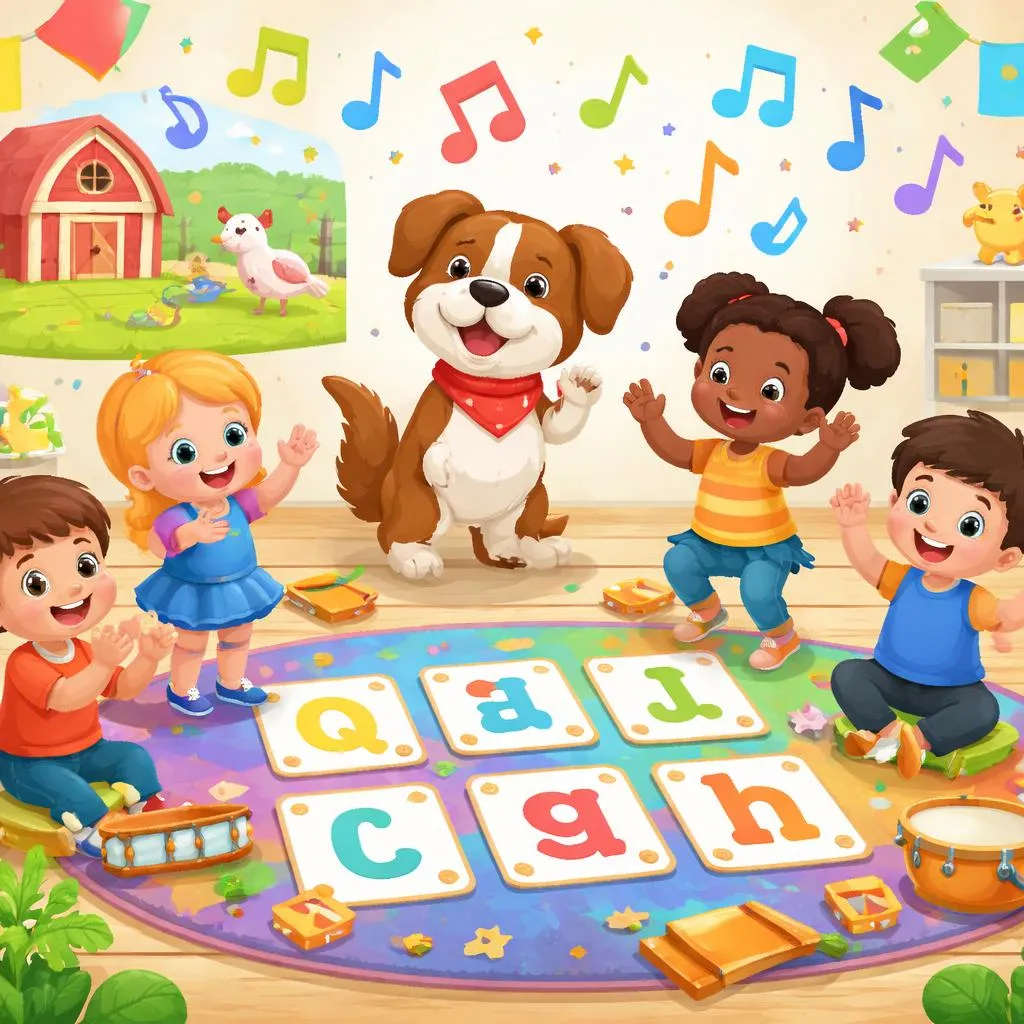
“Bingo” is a classic nursery rhyme about a farmer and a dog named Bingo. The song uses clapping, spelling, and repetition. It appears in classrooms, storybooks, music videos, and family activities.
The keyword bingo song words refers to the lyrics and spelling patterns in the song. These words help build early reading, spelling, and listening skills. The rhythm and actions make language learning joyful and memorable.
Bingo Song Words
Below is a common kid-friendly version of the song. This version keeps language simple and repetitive.
There was a farmer who had a dog, And Bingo was his name-o. B-I-N-G-O, B-I-N-G-O, B-I-N-G-O, And Bingo was his name-o.
Each verse replaces letters with claps. This pattern builds phonics and spelling awareness.
Vocabulary Learning with Bingo Song Words
The song includes everyday words. These words connect to daily life and stories.
Words like farmer, dog, and name describe people and animals. Letters like B, I, N, G, and O teach alphabet recognition.
The phrase “was his name” models basic sentence structure. This supports early grammar understanding.
Repetition helps learners remember new vocabulary. Singing reinforces meaning and pronunciation.
Phonics Points in the Bingo Song
“Bingo” offers strong phonics practice. The name Bingo highlights letter sounds.
B sounds like /b/ in ball. I sounds like /ɪ/ in sit. N sounds like /n/ in nest. G sounds like /g/ in goat. O sounds like /oʊ/ in go.
Spelling the name builds phoneme awareness. Clapping for each letter helps identify individual sounds.
Rhythm supports syllable awareness and stress patterns. This prepares learners for reading and spelling.
Grammar Patterns in the Bingo Song
The song models simple past tense. “There was a farmer” shows past tense of “be.”
“Bingo was his name” shows possessive meaning with “his.” This pattern introduces pronouns in a natural way.
Short sentences show clear English structure. This helps learners build early sentence awareness.
Learning Activities with Bingo Song Words
Clapping games match the song’s spelling pattern. Each letter can be clapped instead of spoken.
Role-play activities can include pretending to be the farmer or the dog. This supports speaking and imaginative play.
Drawing activities can include a picture of Bingo the dog. Writing “BINGO” under the picture connects art and literacy.
Storytelling activities can expand the song. Learners can imagine what Bingo likes to do on the farm.
Printable Materials for the Bingo Song
Printable lyric sheets help reading practice. Large letters support early readers.
Flashcards with B, I, N, G, and O reinforce letter recognition. Picture cards of a dog and farmer build vocabulary.
Tracing worksheets with the word BINGO build handwriting skills. Coloring pages with Bingo and farm scenes add creative engagement.
Educational Games Using Bingo Song Words
Spelling games can involve arranging letter cards to spell BINGO. This builds letter order and memory.
Listening games can involve clapping when a letter is heard. This builds auditory discrimination.
Rhyming games can invite new dog names that rhyme with Bingo. This supports phonemic awareness and creativity.
Movement games can include walking like a dog when singing the song. This integrates language with physical activity.
Why the Bingo Song Supports Early Literacy
The song combines music, spelling, and movement. This multisensory approach strengthens learning pathways.
Repetition builds automatic recall of letters and sounds. Clapping connects phonics to motor memory.
The simple story provides context and meaning. Meaningful language improves comprehension and motivation.
Using Bingo Song Words in Daily Routines
The song fits well in morning circle time. It also works during transitions and breaks.
Home routines can include singing before bedtime or playtime. Digital classes can use the song for interactive engagement.
Short sessions repeated daily improve retention. Consistency supports long-term literacy development.
Cultural and Historical Notes
“Bingo” is an old folk song with many versions. It has been adapted for children’s education worldwide.
Different cultures use the song to teach spelling and rhythm. Exploring versions shows how songs travel and change.
This cultural awareness builds curiosity and global understanding.
Extending Learning Beyond the Bingo Song
Other spelling songs can reinforce letter recognition. Songs like “Alphabet Song” complement “Bingo.”
Comparing spelling patterns across songs builds pattern recognition. This supports decoding and early reading.
Creative writing tasks can include inventing a new pet with a spelled name. This encourages creativity and spelling practice.
Supporting Different Learning Styles
Auditory learners benefit from singing and rhythm. Visual learners benefit from printed lyrics and pictures. Kinesthetic learners benefit from clapping and movement.
Combining these styles creates a rich learning environment. This improves engagement and memory.
Adapting Bingo Song Words for Different Levels
Beginners can focus on listening and clapping. Intermediate learners can spell BINGO with letter cards. Advanced learners can write sentences about Bingo the dog.
Simplified versions can use fewer verses. Expanded versions can include farm vocabulary and descriptive phrases.
Language Skills Built Through the Bingo Song
Listening skills grow through melody and repetition. Speaking skills grow through singing and chanting. Reading skills grow through printed lyrics and letter recognition. Writing skills grow through tracing and creative sentences.
The song integrates phonics, vocabulary, grammar, and fluency. It serves as a compact language-learning tool.
Practical Classroom and Home Integration
Group singing builds cooperation and turn-taking. Solo singing builds confidence and pronunciation.
Visual displays of the letters B-I-N-G-O reinforce memory. Routine use creates a predictable and comforting learning structure.
Recording performances can track progress. Celebrating spelling success builds motivation.
Creative Extensions with the Bingo Song
Art projects can include designing Bingo’s doghouse. This reinforces vocabulary like house, farm, and dog.
Story prompts can include “What does Bingo do on the farm?” This builds narrative skills and imagination.
Music activities can include drums or shakers to match rhythm. This supports timing and auditory processing.
Digital Learning Ideas for Bingo Song Words
Animated videos can show Bingo running on a farm. Interactive lyrics can highlight letters as they are sung.
Karaoke tracks support pronunciation practice. Digital flashcards with audio reinforce letter sounds.
Recording tools allow self-assessment and reflection. This builds autonomy and confidence.
Assessment Through Play
Observation of clapping and spelling shows phonics awareness. Letter recognition tasks show alphabet knowledge.
Sentence creation about Bingo shows grammar understanding. Story retelling shows comprehension and expressive skills.
Play-based assessment keeps learning joyful and low-stress.
Long-Term Benefits of Spelling Songs
Spelling songs build phonological awareness. They support decoding, spelling, and reading fluency.
Early exposure to spelling patterns predicts later literacy success. Music strengthens neural connections for language processing.
“Bingo” provides a strong foundation for these skills.
Connecting Bingo Song Words with Other Topics
Farm vocabulary can expand learning. Words like cow, barn, field, and tractor add context.
Pronouns like his and her can extend grammar practice. Sentences can expand with adjectives and actions.
Examples include: Bingo is a happy dog. The farmer feeds Bingo. Bingo runs on the farm.
Creative Writing with the Bingo Song
Writing prompts can start with “Bingo can…” This encourages sentence building and imagination.
Examples include: Bingo can run fast. Bingo can dig in the garden. Bingo can play with friends.
These prompts connect grammar, vocabulary, and creativity.
Encouraging Positive Language Experiences
Songs make language learning joyful and playful. Joyful experiences build positive attitudes toward English.
Spelling through music reduces anxiety and increases engagement. Confidence grows with each sung letter and clap.
The bingo song words offer rhythm, spelling, and storytelling in one simple song. They support listening, speaking, reading, and writing in an integrated way. They fit classrooms, homes, and digital platforms with ease. They invite movement, imagination, and discovery through language.