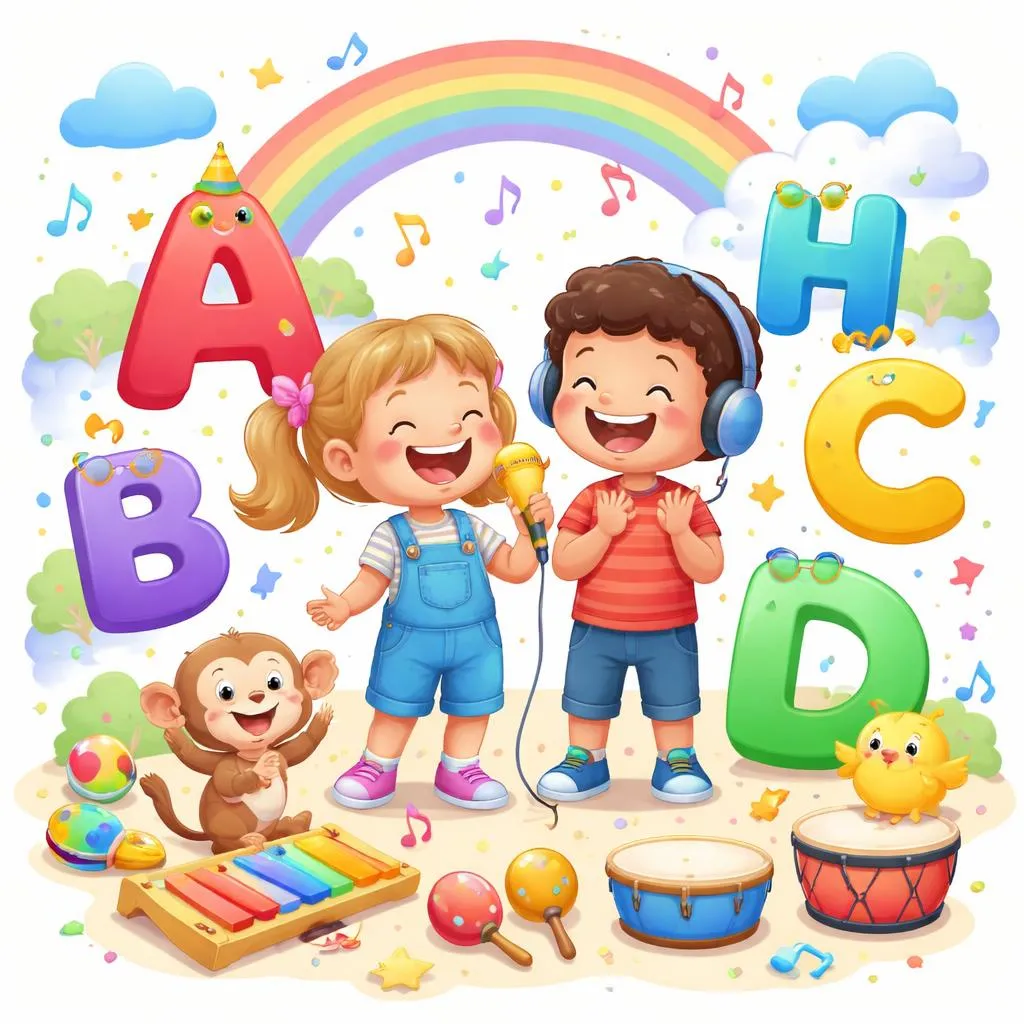

What is the Alphabet Song? The alphabet song is a simple and fun nursery rhyme. It helps children learn the letters of the English alphabet. Each letter has a clear sound and a place in the song. Singing the song makes memorizing letters easier. The melody is repetitive and catchy. Children quickly remember the order of letters through the tune.
The alphabet song has been used in classrooms for generations. It is popular in homes, schools, and early learning centers. The song is often paired with visual aids. These aids include flashcards, letter charts, and videos. Repetition in the song builds memory and recognition skills.
Alphabet Song Lyrics The lyrics of the alphabet song are short and rhythmic. It usually starts with the letters A, B, C, D, E, F, G. Then the song continues with H, I, J, K, L, M, N, O, P. Q, R, S, T, U, V, W, X, Y, and Z follow. Sometimes the song ends with a line like, “Now I know my ABCs.” Singing the lyrics helps connect letters with their sounds. The melody supports recall and pronunciation.
Children often sing along with gestures or pointing to letters. This makes the experience interactive and memorable. The song can be repeated multiple times without losing fun. Teachers and parents can change the speed or rhythm to add variation.
Vocabulary Learning The alphabet song introduces the 26 letters of English. Each letter has its own name and sound. For example, A sounds like “ay,” B like “bee,” and C like “see.” Children practice recognizing both uppercase and lowercase letters. Some letters have similar sounds, and singing helps distinguish them. The song also lays a foundation for phonics and reading.
Using the song, children can match letters with objects. For example, A is for apple, B is for ball, C is for cat. This builds vocabulary while reinforcing letter recognition. Songs with visuals strengthen memory and engagement. Learning vocabulary through music is effective for young learners.
Phonics Points The alphabet song supports phonics learning. Each letter’s sound can be emphasized while singing. Repeating the sounds improves listening skills. Children learn to separate sounds in words. Phonics activities can follow the song. For example, children can clap for each sound or match letters with pictures.
The song also introduces blending skills. Blending letters into simple words becomes easier after mastering the alphabet. The rhythm of the song keeps children engaged. Phonics practice alongside singing strengthens reading readiness.
Grammar Patterns While the alphabet song focuses on letters, it supports basic grammar indirectly. Learning letters prepares children to form simple words. Simple words help children understand sentence structure later. Songs encourage listening comprehension and speaking skills. Children notice patterns in sounds and spelling. Repetition helps in understanding how letters create words.
Teachers can create mini-games using letters. For example, forming short words from the letters learned in the song. Children can build simple sentences as they progress. Singing and practicing letters becomes the first step in writing.
Learning Activities The alphabet song can be used in various activities. Children can point to letters on a chart while singing. They can use letter blocks or magnets to arrange letters in order. Drawing letters while singing connects movement with learning. Interactive apps provide animated letters to follow along with the song.
Games like “letter scavenger hunts” reinforce knowledge. Children search for objects starting with letters sung in the song. Another activity is “alphabet dance,” moving according to each letter. Using multiple senses helps children remember letters faster. Songs, visuals, and physical actions make learning fun and effective.
Printable Materials Printable flashcards support the alphabet song. Cards can show uppercase letters, lowercase letters, and images. Children can practice matching letters with pictures. Flashcards can be used for memory games or letter recognition drills. Charts and worksheets reinforce what children learned from singing.
Printable coloring pages with letters and objects are popular. Children color letters while listening to the song. This improves fine motor skills and letter familiarity. Printable materials create a hands-on learning experience. They can be reused multiple times for practice and fun.
Educational Games Games enhance the learning experience with the alphabet song. Memory games using letter cards improve recall. Puzzle games help match letters with their sounds. Interactive apps can add rewards and challenges.
Songs can be combined with movement games. For example, children jump or clap when hearing certain letters. Alphabet bingo is another fun game to reinforce letters. Games make learning playful and maintain interest. Children enjoy challenges and celebrate their progress.
Singing with friends or family adds social interaction. Group singing encourages listening and cooperation. Children learn from peers and gain confidence. Educational games complement the song for a complete learning experience.
The alphabet song remains a foundation of early literacy. It introduces letters, sounds, and vocabulary in a fun way. With activities, visuals, and games, children enjoy learning every day. Music, movement, and repetition create lasting memory of letters. The song inspires curiosity and a love for reading and writing.
Children can explore letters beyond the song. They can write letters, create words, and make short sentences. The alphabet song becomes the starting point for all literacy skills. Parents and teachers can adapt the song with creativity. Adding gestures, objects, and visuals makes the experience richer.
The alphabet song encourages practice, repetition, and joy. It sets the stage for phonics, vocabulary, and early reading. Through songs, children connect sounds, letters, and meanings. Learning becomes a playful adventure rather than a task. This foundation supports all future reading and writing skills.