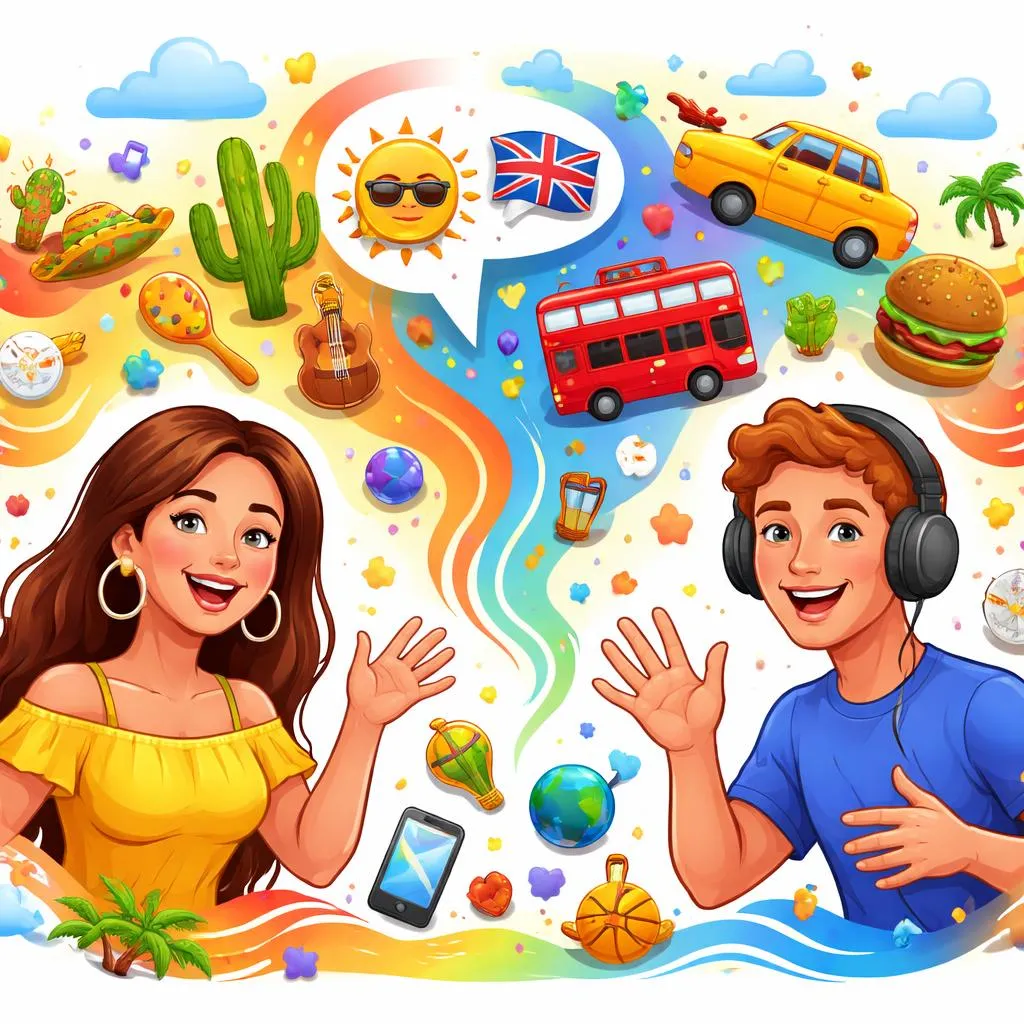

What Is Spanglish Spanglish is a mix of Spanish and English. People use both languages in the same sentence. It is not a formal language. It is a way of speaking.
Spanglish happens naturally.
Why Spanglish Is Important Spanglish is common in some communities. It helps people communicate quickly. It blends two cultures together.
Language connects people.
Where People Use Spanglish People use Spanglish in the U.S. It is used by people who speak both languages. It happens in conversations.
Spanglish is part of daily life.
Spanglish Words Spanglish uses words from both languages. For example, “parquear” means to park. It mixes the Spanish verb with the English root.
Words feel familiar.
Spanglish in Simple Sentences Spanglish can be simple. “Voy a la store.” This means I am going to the store.
Mixing feels easy.
Spanglish in Daily Talk People use Spanglish at home. They use it at work. They use it with friends.
Daily use builds comfort.
Spanglish and Emotions Feelings are expressed in Spanglish. “I’m feeling cansado.” This means I am feeling tired.
Feelings are easy to say.
Spanglish and Family Families use Spanglish together. “Mamá, can you help me?” “Sí, I’ll help you.”
Family talk feels natural.
Spanglish with New Technology Technology words use Spanglish. People say “textear” for texting. They say “chequear” for checking.
Tech words feel modern.
Spanglish in Movies Movies sometimes show Spanglish. Characters mix languages to sound real. It reflects life for some people.
Movies connect culture.
Spanglish and Music Music uses Spanglish words. Some songs mix both languages. It sounds fun.
Music supports language learning.
Spanglish in Schools Some students speak Spanglish at school. Teachers hear it. They understand the meaning.
Language blends in classrooms.
Spanglish and Code-Switching Code-switching happens in Spanglish. It is when people switch between languages. It happens naturally in conversation.
Switching feels normal.
Spanglish and Listening Practice Children hear Spanglish often. They hear it from family. They hear it from friends.
Listening helps understanding.
Spanglish and Speaking Children can speak in Spanglish. They can mix words from both languages. It feels fun and natural.
Speaking builds fluency.
Spanglish and Writing Spanglish happens when writing. Children write notes in Spanglish. It mixes words like “hacer homework.”
Writing feels casual.
Spanglish and Vocabulary Spanglish creates new words. For example, “troquear” means to truck. New words appear all the time.
Vocabulary grows naturally.
Spanglish and Culture Spanglish mixes cultures. It shows the influence of both languages. It reflects the community’s life.
Culture shapes language.
Spanglish in Simple Phrases “Vamos a la party.” This means let’s go to the party. “Vas a llamar a mi mom?” This means are you going to call my mom?
Simple phrases make learning fun.
Spanglish and Understanding Spanglish helps understanding. It mixes what people already know. It makes communication easier.
Clear language builds connection.
Spanglish and Travel Spanglish can help in travel. People mix English and Spanish in the same sentence. It makes travel easier.
Traveling with words connects.
Spanglish in Children’s Books Some children’s books use Spanglish. They use simple phrases. Books help with learning.
Reading helps language.
Spanglish in Different Countries Spanglish is used in different places. It is common in the U.S. and Latin America. Different areas use different words.
Language is local.
Spanglish and Identity Spanglish is part of some people’s identity. It shows where they are from. It connects them to their culture.
Identity shapes language.
Spanglish and Growing Up Children grow up hearing Spanglish. It becomes part of their vocabulary. They mix both languages easily.
Growth supports learning.
Spanglish and Friendship Friends speak Spanglish. They understand each other. It feels like home.
Friendship supports language.
Spanglish and Family Traditions Family traditions sometimes include Spanglish. Grandparents speak both languages. Children learn from them.
Tradition shapes language use.
Spanglish and Communication Spanglish helps people talk. They mix words for ease. It helps express thoughts quickly.
Communication comes naturally.
Spanglish and Learning Learning Spanglish starts with listening. Children repeat what they hear. They get better over time.
Practice makes perfect.
Spanglish and Mixed Media Media shows Spanglish. TV shows use both languages. Spanglish feels natural in conversations.
Media helps with understanding.
Spanglish and Technology Terms Some words in Spanglish are from technology. “Scanner” means to scan. “Postear” means to post.
Tech terms feel familiar.
Spanglish and New Words Spanglish creates new expressions. It blends English and Spanish in creative ways. This makes the language more fun.
Creativity builds language.
Spanglish and Language Learning Spanglish can help learn both languages. It shows how words blend. It makes both languages easier to learn.
Learning feels natural.
Spanglish and Playful Language Spanglish is fun to speak. It lets children play with language. It feels casual and easy.
Play supports learning.
Spanglish and Change Spanglish changes over time. New words mix in. Old words change.
Language evolves.
Spanglish and Cultural Pride Spanglish is part of cultural pride. It shows heritage. It blends history with the present.
Culture matters.
Spanglish and Acceptance Spanglish shows acceptance. People use it to include others. It blends language barriers.
Acceptance builds connection.
Spanglish and Daily Life Spanglish is used every day. People mix languages in normal conversations. It shows cultural diversity.
Everyday language feels rich.
Spanglish for Children Children learn Spanglish quickly. They use it to connect with family. They mix both languages easily.
Children adapt fast.
Spanglish for Communication Spanglish helps people communicate. It connects two languages. It helps express ideas quickly.
Language flows smoothly.
Spanglish and Community Connections Spanglish connects people in communities. It is a shared language. It helps people communicate quickly.
Community language matters.
Spanglish and Daily Use Spanglish is used every day. People switch between languages. It happens in conversations.
Daily use keeps language alive.
Spanglish and Listening Skills Listening to Spanglish helps understand both languages. Children hear it often in songs. They hear it in conversations.
Listening builds language skills.
Spanglish and Speaking Fluency Speaking Spanglish feels natural. Children practice every day. They mix words without thinking.
Fluency grows with practice.
Spanglish and Reading Spanglish appears in books sometimes. It shows how people speak. It connects both languages in writing.
Reading supports understanding.
Spanglish and Writing Practice Writing in Spanglish can be fun. Children write what they hear. It mixes both languages.
Writing helps reinforce language learning.
Spanglish in Pop Culture Pop culture shows Spanglish often. Songs, TV shows, and movies use it. It reflects everyday life.
Media influences language.
Spanglish and Multiculturalism Spanglish shows cultural mix. It is used by people from different backgrounds. It connects cultures through language.
Multiculturalism shapes language.
Spanglish and Expression Spanglish lets people express themselves. It helps people talk freely. Words flow smoothly.
Expression feels easier.
Spanglish and Personal Identity Spanglish is part of identity for many people. It reflects their heritage. It shows their connection to both languages.
Language shapes who we are.
Spanglish and Language Evolution Spanglish changes over time. New words are added. Old words shift in meaning.
Language evolves naturally.
Spanglish in Family Conversations Families use Spanglish in everyday talk. It is part of their routine. It feels comfortable.
Family talk feels natural.
Spanglish and Mixing Languages Spanglish is about mixing languages. Words from both Spanish and English appear together. It happens smoothly in conversation.
Mixing feels playful.
Spanglish in Neighborhoods Spanglish is common in neighborhoods. It helps people connect. It makes talking easy.
Neighborhood language matters.
Spanglish and Cultural Pride Using Spanglish shows pride in cultural heritage. It celebrates both languages. It strengthens identity.
Pride builds confidence.
Spanglish and Adaptability Spanglish adapts to new situations. It blends words from both languages. It keeps conversations flowing.
Adaptability is key.
Spanglish in Social Settings In social settings, Spanglish is used casually. It connects people from different backgrounds. It feels informal and friendly.
Social connections feel stronger.
Spanglish and Playful Language Spanglish allows people to play with language. It creates new words and expressions. It makes talking fun.
Playfulness supports learning.
Spanglish and Translation Spanglish can sometimes be a bridge for translation. It helps when there isn’t a perfect word. It fills the gap in language.
Translation builds understanding.
Spanglish and Teaching Spanglish can be used in teaching. It helps bilingual children connect. It bridges the gap between English and Spanish.
Teaching is more effective.
Spanglish and Community Identity Spanglish helps build a community identity. It shows how languages and cultures mix. It makes everyone feel connected.
Community builds belonging.
Spanglish and Humor Spanglish adds humor to language. It mixes words in funny ways. It makes conversations light-hearted.
Humor makes learning fun.
Spanglish and Young Learners Young learners pick up Spanglish quickly. They hear it in everyday conversations. They use it to express themselves.
Young learners adapt fast.
Spanglish in Conversation with Friends Friends often use Spanglish. They mix languages without thinking. It feels comfortable.
Friendship grows with language.
Spanglish and Cultural Understanding Spanglish helps understand culture. It mixes words from two languages. It shows how both cultures interact.
Cultural understanding matters.
Spanglish in Everyday Activities Spanglish is used in everyday activities. Children might say “Voy a la store.” It feels natural and simple.
Simple phrases support communication.
Spanglish and Inclusivity Spanglish is inclusive. It allows people who speak both languages to communicate. It brings people together.
Inclusivity builds connection.
Spanglish and Listening to Music Spanglish appears in many songs. Music blends both languages. Children sing along to catchy Spanglish tunes.
Music reinforces language learning.
Spanglish and Changing Words Spanglish changes words. Some words from English become Spanish. Some words from Spanish become English.
Language is constantly evolving.
Spanglish and Language Play Spanglish lets children play with language. They mix words for fun. It helps them feel comfortable with both languages.
Play helps language learning.
Spanglish and Strengthening Skills Spanglish helps strengthen language skills. It encourages creativity in speaking. It allows children to feel confident.
Confidence supports growth.
Spanglish and Real-World Communication Spanglish is used in real-world communication. People use it when they talk with family and friends. It is part of everyday life.
Real-world language feels authentic.
Spanglish and Language Mixing Mixing languages is normal in Spanglish. People shift from one language to another easily. It helps conversations flow.
Mixing languages feels natural.
Spanglish and Bilingualism Spanglish supports bilingualism. It allows children to practice both languages. It helps them feel confident in both.
Bilingualism supports language learning.
Spanglish and Identity Expression Spanglish lets people express their identity. It shows how they connect with both cultures. It is a unique language choice.
Expression is important.
Spanglish and Growth Spanglish grows with the community. It changes over time. New words and expressions keep it alive.
Growth helps language stay relevant.
Spanglish and Cultural Communication Spanglish is a form of cultural communication. It blends two cultures into one. It helps people from different backgrounds connect.
Cultural communication strengthens bonds.
Spanglish and Fun Language Learning Spanglish makes language learning fun. It mixes two languages in a playful way. It helps children learn without pressure.
Fun learning is effective.
Spanglish and Global Understanding Spanglish bridges global communication. It connects English and Spanish speakers. It fosters understanding across cultures.
Global connections build unity.